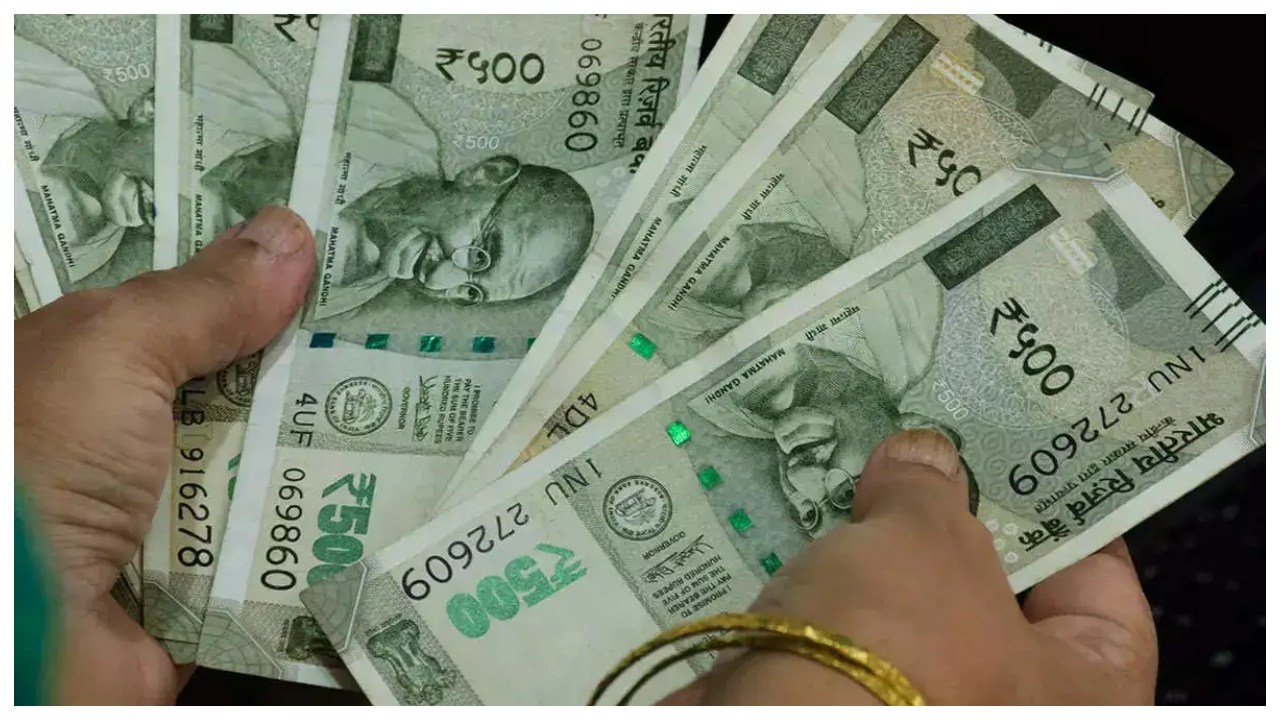
8th Pay Commission: Big news for everyone. The 8th Pay Commission is a hot topic right now among central government employees. Its rollout is set to not only boost employees’ paychecks but also have a ripple effect on the economy and the stock market. In the meantime, a report from JP Morgan has come out, indicating that the effects of the 8th Pay Commission’s suggestions will also be noticeable in the stock market.
How can we see this effect? According to the JP Morgan report, the recommendations are expected to enhance consumption and corporate profits. This rise in corporate earnings could attract more foreign investment in stocks, potentially leading to a boom in the Indian stock market.
The 8th Pay Commission has kicked off its work and plans to submit its report within 18 months. However, the recommendations are set to take effect on January 1, 2026. The report pointed out that when the Sixth Pay Commission was rolled out in 2008, salaries for central government employees jumped by 40 percent. This salary hike, along with increased earnings, resulted in a spike in sales of cars, bikes, and homes, leading to significant profits for companies.
It’s worth noting that there’s a rumor circulating on social media claiming that after the 8th Pay Commission is implemented, the dearness allowance (DA) and benefits for retired employees and pensioners will be cut. This has understandably caused some concern among employees. However, in response to these worries, the government has clarified that there are no such plans. The Finance Ministry has stated that DA and other allowances will continue as usual, and the Finance Act 2025 will not affect them. This government statement has made it clear that allowances, including HRA, will remain intact after the 8th Pay Commission is implemented.