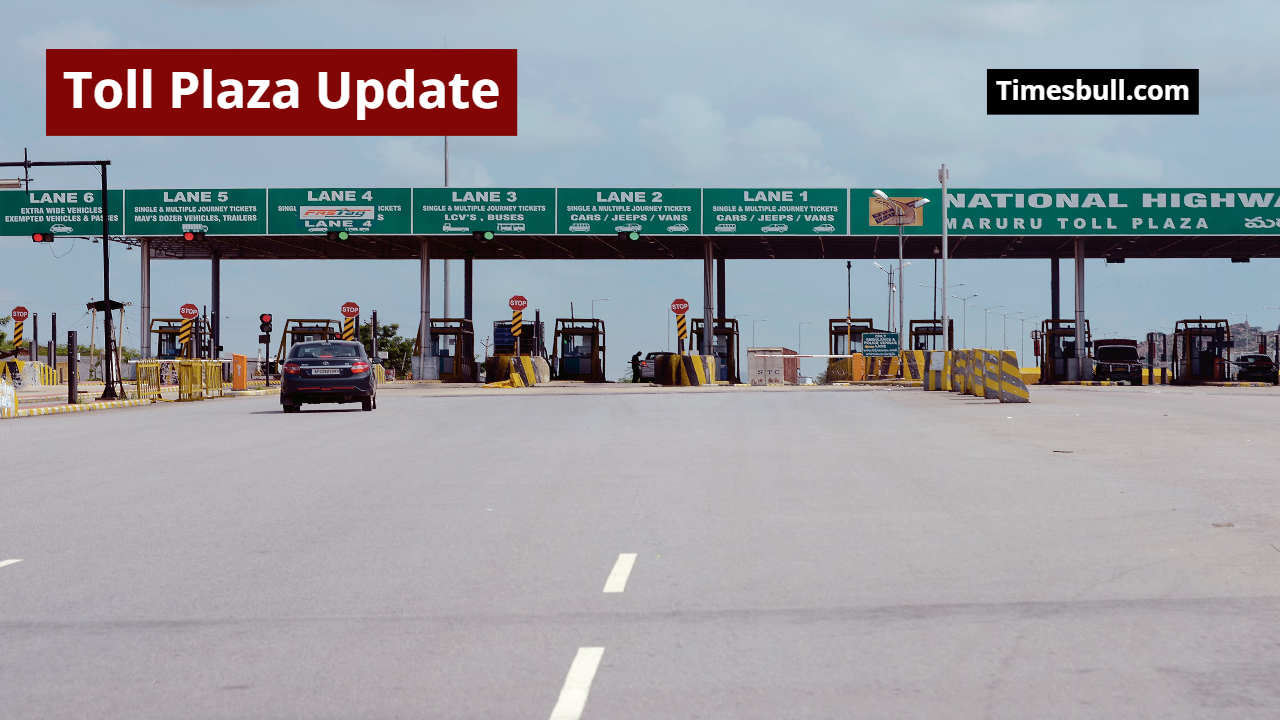
The rapidly developing expressway and highway network across the country has transformed travel patterns. People now find it more convenient to travel by road, even distances of 500 to 700 kilometers, rather than by train. High-speed roads save time and make travel more comfortable than before. Although drivers must pay toll taxes, travelers say that improved roads make up for this by improving fuel efficiency and driving safety. To further improve this experience, the central government is conducting a fresh study of the toll system’s basic structure and formula.
According to the Ministry of Road Transport and Highways, toll collection in India began in 1987 and has undergone numerous reforms since then. Tolls are calculated based on three key factors: the vehicle’s price and the cost of toll operations on the road. The second factor is the driver’s benefit from a good road, as driving on a bad road quickly damages many vehicle parts. The third factor is the driver’s ability to pay and attitude. The Ministry now intends to conduct a comprehensive study on these three factors, and the entire task has been assigned to the NITI Aayog.
Interestingly, the Ministry has not provided any recommendations or guidelines for this study. NITI Aayog is independently supervising the entire model. Once the study report is available, the Ministry will analyze it in detail and determine how to provide relief to drivers. If the report is found to be practical and implementable, it is likely to be implemented across the country.
The vast network of NHAI demonstrates the strength of the country’s highway infrastructure. According to the Ministry, India has a total of 1.5 lakh kilometers of national highway network. Of these, approximately 90,000 kilometers fall under the jurisdiction of NHAI, of which tolls are collected on approximately 45,000 kilometers. Currently, 1,063 toll plazas are operational across the country. Millions of vehicles ply these roads daily, a large number of which are daily commuters.
Read More- Huawei launches a foldable 5G phone with an 8-inch screen, a 50MP camera, and big battery
To provide relief to these regular commuters, an annual pass of ₹3,000 was recently introduced, providing significant savings compared to the previous rate for vehicles returning within 24 hours. Under the current system, one and a half times the fare is charged for each round-trip, but further changes and amenities are expected when the new policy is implemented.