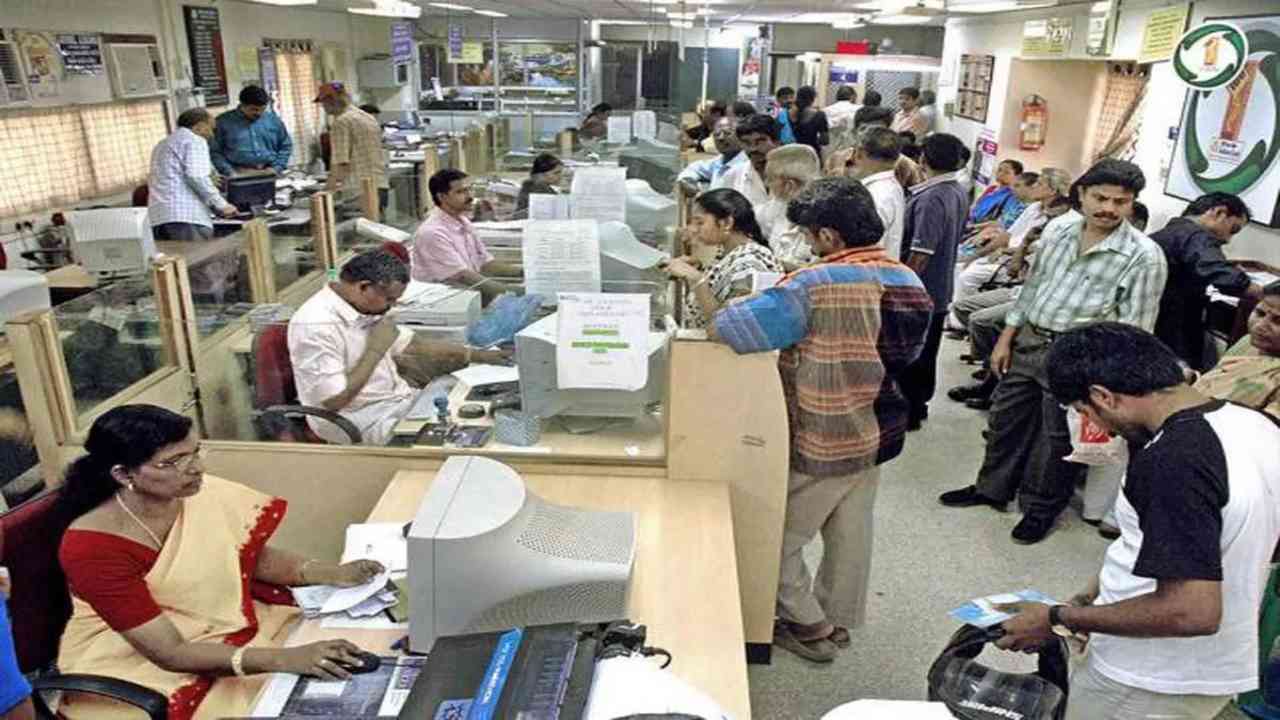
Dormant Account: If your bank account has been sitting unused for 10 years without any activity, it gets classified as dormant. Per the Reserve Bank of India (RBI) rules, this type of account is deemed inactive, meaning you can’t withdraw cash or perform online transactions. Dormant accounts can be savings, current accounts, or fixed deposits that have matured but haven’t seen any action.
To reactivate a dormant account, the first thing you need to do is update your KYC. This requires a trip to your bank’s home branch with your Aadhaar card, PAN card, a recent photo, and proof of address. The bank will check your documents and kick off the reactivation process. They might ask you to make a small transaction, like depositing or withdrawing ₹100. Typically, your account will be activated within a few days after this.
The RBI has made it clear that banks can’t charge fees for dormant accounts, but you might still face service charges for things like SMS alerts, minimum balance requirements, or checkbook fees once you reactivate. If you need to change any documents, like your mobile number or signature, that could slow things down a bit.
Even if your bank has sent your money to the RBI’s Depositor Education and Awareness Fund (DEAF), there’s no need to stress. You can still withdraw that amount from the bank after reactivation. Just keep in mind that this process can take some time since the bank will thoroughly check your past records, signature, and identity.
Remember, according to RBI guidelines, you can’t reactivate a dormant account online. You have to go to a bank branch for physical verification. By following these steps, you can get your dormant bank account back in action and ensure your funds are secure. It’s crucial to keep your bank account active and make transactions regularly, so your money is always within your control and available when you need it.