
UPI (Unified Payments Interface) has brought about a revolutionary change in the way we transact. But did you know that the maximum limit for sending money through UPI is determined not by your favorite apps like Google Pay, PhonePe, or Paytm, but directly by your bank. Millions of users are unaware of their bank’s actual limit, causing their transactions to fail in urgent situations. Apps only allow payments within the limit set by your bank. In this Google Search-friendly article, we’ll explain how to identify your bank limit, the reasons for its reduction, and how to easily increase it to make larger payments without interruption.
Understanding Your UPI Bank Limit Deeply

Each bank sets UPI transaction limits based on its risk profile, the customer’s past transaction history, and user activity. This limit can vary from person to person, based solely on security and trust. To find out your bank limit, you need to go to the UPI or Fund Transfer section of your bank’s official mobile app or internet banking. You’ll see your daily and per-transaction limits clearly displayed there.
Sometimes your UPI limit suddenly decreases. There are important security reasons, such as: you recently changed your phone or SIM, reset your UPI PIN, or the bank has imposed a security block to prevent fraud. In these situations, the bank temporarily reduces your limit.
A Simple Process to Increase Your UPI Limit
If you need to increase your UPI limit due to an urgent need, this process is directly linked to the bank and can be completed in just a few steps. First, you need to securely log in to your bank’s official mobile app or website. Most bank apps have a clear option called “Manage UPI” or “Manage UPI Limit.” You need to go to this option and request an increase to your existing limit.
The bank will thoroughly review your request, and once security standards are approved, your increased limit will be updated immediately in the app. However, it’s important to note that if the bank has implemented a strict risk policy, the limit may not be increased immediately. In such cases, the bank may take a few hours or even temporarily refuse to increase the limit.
Why are restrictions imposed
Banks impose temporary limits on high-value payments to prevent fraud and unauthorized transactions. This is a precautionary measure. If you recently added a new device or a new beneficiary, the bank applies a reduced limit for a period of time. This is a cooling-off period, after which the limit is increased.
During festivals or special promotional periods, the normal UPI limits may also be temporarily reduced due to security risks. This is an additional safeguard that keeps your money safe.
The Smartest Option for Large Payments
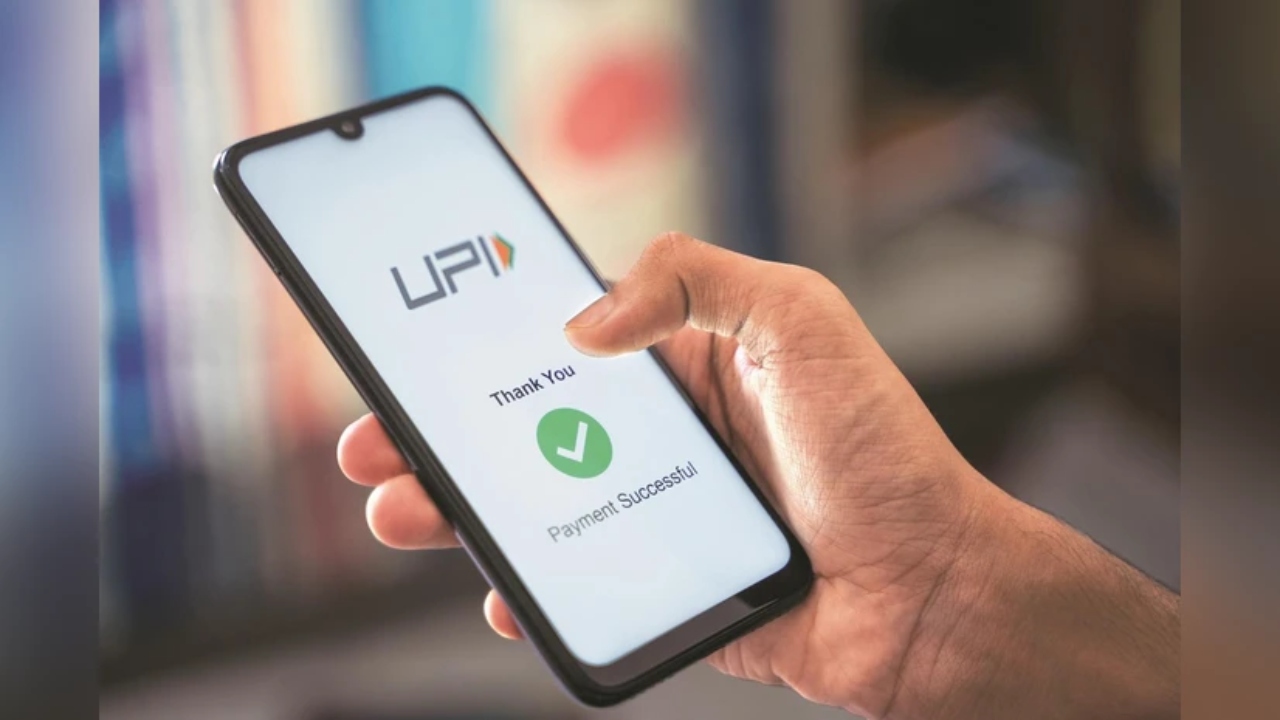
If you’re unable to increase your limit through a UPI app and need to send a large amount immediately, don’t worry. You always have powerful options. Instead of using UPI apps, try using your bank’s app or internet banking directly. Sometimes, transacting directly through your bank is more convenient and hassle-free.
Using IMPS/RTGS
To send very large amounts, you can use services like IMPS (Immediate Payment Service) or RTGS (Real Time Gross Settlement) through net banking. These channels have much higher transaction limits than UPI, giving you the freedom to make large payments without any hassles.