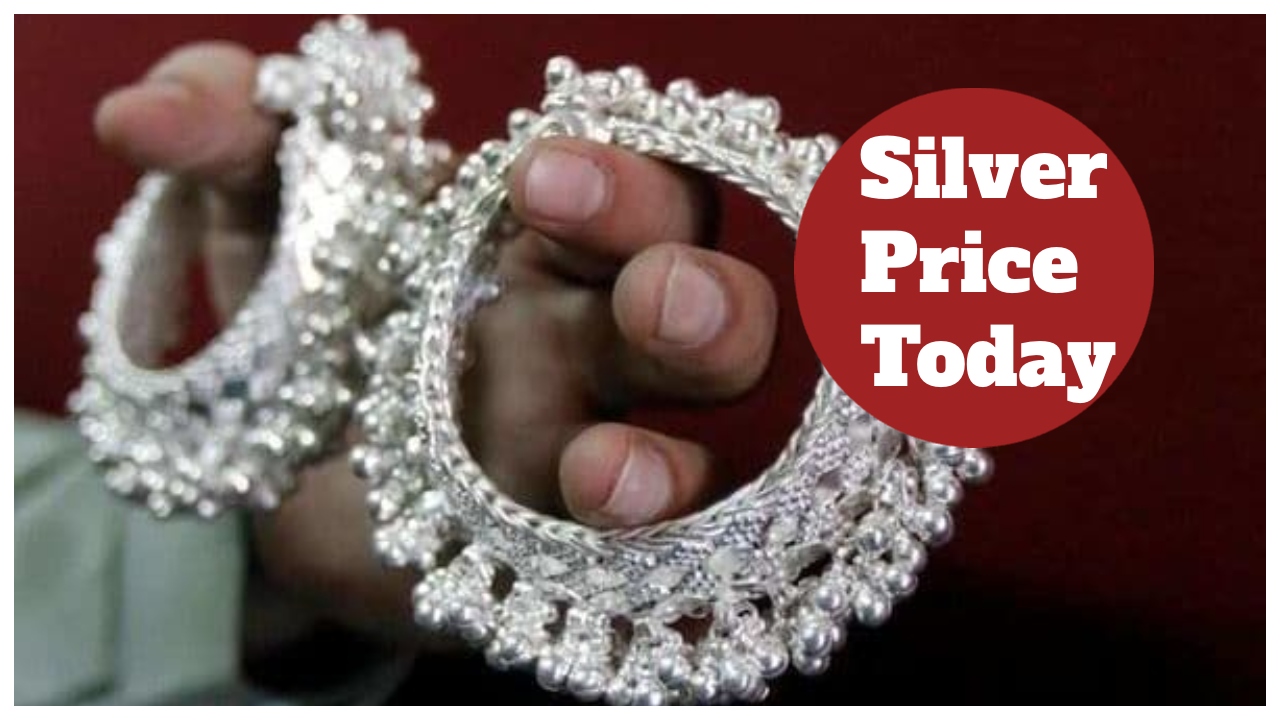
Silver Price Today : If you’re tracking the silver market this Monday, you’ll notice things are remarkably quiet. Silver prices are holding steady, opening the week on a flat note and continuing from where they left off last Friday.
In major Indian bullion hubs, the price for a kilogram of silver is showing little movement. Delhi’s market is trading at ₹1,52,400 per kg, while in Mumbai, the rate is similar. However, if you’re in South India, you’ll encounter a different price point, with Chennai and Hyderabad listing silver at ₹1,64,900 per kg. This regional disparity is a constant feature of the Indian silver market, often attributed to factors like local taxes, transportation costs, and making charges.
Why the Lull in Silver’s Spark?
Market analysts point to a couple of key reasons for this stagnant trend. Internationally, silver has seen a slight dip, and this weakness is naturally reflecting in our domestic markets. Furthermore, the recent festive surge in demand has tapered off. After the rush of festivals, the purchase of silver for gifts and religious offerings typically cools down, leading to softer prices.
Compared to its recent peak, silver has seen a significant correction, falling by as much as ₹50,000 per kg in some areas. This has been a welcome relief for many potential buyers.
A Silver Lining on the Horizon?
While the immediate trend is flat, the horizon might be brightening. The wedding season is now in full swing across the country. This traditional driver of demand for silver jewellery and gifts is expected to inject fresh momentum into the market. Many industry watchers are hopeful that this will bolster prices and increase trading activity in the coming weeks.
Beyond Jewellery: The Industrial Demand Driving Prices
It’s crucial to understand that the story of silver’s value is no longer just about ornaments and coins. A powerful, silent driver is reshaping its market: industrial demand.
Silver is now a critical component in a surprising range of modern technologies. Its superior electrical conductivity makes it indispensable in mobile phones, computer chips, and a vast array of electronic devices. Furthermore, it’s a key element in the production of solar panels, a sector experiencing explosive global growth. This expanding industrial appetite has been a fundamental force behind the impressive rally in silver prices over the past year, creating a new floor for its value that didn’t exist before.
Silver Price Snapshot: Monday, 10th November
Here’s a quick glance at the price of 1 kilogram of silver in major Indian cities today:
| City | Price (₹/kg) |
|---|---|
| Delhi | 1,52,400 |
| Mumbai | 1,52,400 |
| Ahmedabad | 1,52,400 |
| Chennai | 1,64,900 |
| Kolkata | 1,52,400 |
| Gurugram | 1,52,400 |
| Lucknow | 1,52,400 |
| Bengaluru | 1,52,400 |
| Jaipur | 1,52,400 |
| Patna | 1,52,400 |
| Bhubaneswar | 1,52,400 |
| Hyderabad | 1,64,900 |
Note: Prices are indicative and can vary between local dealers. They typically include making charges and Goods and Services Tax (GST).
“People Also Ask” (Answers in a Human Tone)
Q: Why is silver more expensive in Chennai than in Delhi?
A: This is a common question! The price difference usually comes down to local taxes (like VAT), higher making charges for intricate jewellery designs popular in the region, and the costs involved in transporting the metal to different parts of the country.
Q: Is it a good time to buy silver?
A: With prices having corrected from their peak and the wedding season likely to push demand up, some investors see this consolidation as a potential opportunity. However, all commodity investments carry risk. It’s always best to consider your financial goals and, if needed, consult with a financial advisor.
Q: What is the main reason for the long-term rise in silver prices?
A: While investment and jewellery demand play a role, the most significant new factor is industrial consumption. Its growing use in electronics, electric vehicles, and especially green technology like solar panels has created a robust, structural demand that supports higher price levels.
Q: How are silver prices determined in India?
A: Domestic prices are primarily influenced by the international spot price of silver (often in US Dollars), which is then converted to rupees. The final consumer price includes import duties, GST, and the maker’s charges for converting the metal into bars or jewellery.
Fact Check & Sources: This analysis is based on prevailing market reports from Indian bullion associations and international commodity trackers like Bloomberg and Reuters. The price data is representative of standard 1kg silver bars and may vary for jewellery due to making charges and design complexity.