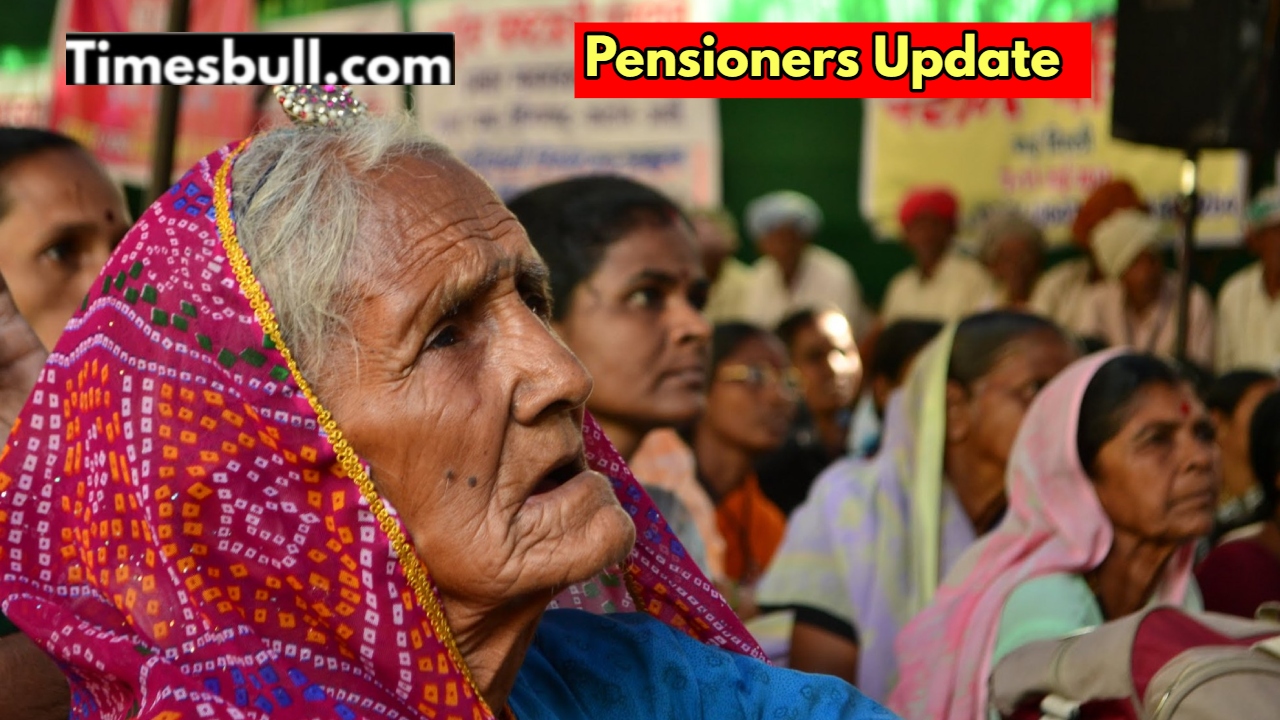
The government has taken a massive step. Initially, peoples from some selected states will receive an handsome amount as a pension. Later, other states also can get the facility. Government takes this step mainly to help the elderly persons and who are specially abled.
A ₹3,500 pension has been announced in seven states across India, and new rules will be implemented starting October 25, 2025. This news has brought significant relief to the elderly, widows, and the disabled, providing them with a higher monthly pension. The government’s goal is to provide social security and a better standard of living for these groups. The implementation of the new scheme has raised the expectations of beneficiaries.
Who will be benefited most by the government initiative
This scheme will directly benefit those living below the poverty line, as the increased pension will help bring financial stability to their lives. The government claims that pension funds will be deposited timely and directly into the beneficiary’s account, eliminating any fraud or delays. the government has directed district-level officials to compile a list of all eligible individuals and submit it to the department in a timely manner. Particular attention has been paid to prioritizing the elderly (80 years of age or older) and the severely disabled (more than 80%). Under the old scheme, the central and state governments jointly provided pensions, but the rates varied from state to state. Now, the new ₹3,500 amount will be implemented in more states, bringing uniformity.
Currently, old age pensions, widow pensions, and disability pensions are provided under the central government’s National Social Assistance Program (NSAP), to which state governments add additional assistance. This time, the increased amount and new rules aim to reach the most needy beneficiaries.
Who will be the beneficiaries
The following categories of people will get the benefit of the pension scheme:
Citizens aged 60 years and above
widowed women
Citizens with 40% or more disability
people living below the poverty line