Maruti E Vitara: Electric cars are usually referred to as the mobility of the future in India. They are said to provide clean energy and efficient running costs. But behind this rosy scenario, there are some hidden pitfalls. Perhaps the greatest obstacle is posed by raw materials involved in the production of batteries, particularly lithium. Without convenient and safe access to this material, the vision of cheap electric cars might be left unfinished.
Raw Material Dependency
Heavy reliance on imported raw materials is the largest risk to India’s electric mobility strategy, according to Maruti Suzuki Chairman R.C. Bhargava. The majority of the lithium and rare earth magnets in EV batteries are sourced from limited supplier nations such as China. The reliance is dangerous for both investors and automakers since any abrupt policy shift within these countries directly impacts Indian firms.
Rare Earth Magnet Restrictions
Bhargava highlighted that China’s recent curbs on rare earth magnet supplies are an alarm bell. When a major supplier abruptly cuts back on exports, it imposes huge uncertainty on companies thinking of making large investments in India. He added that were he an investor himself, he would hesitate before establishing a large battery-making factory without first having addressed this risk.
Slow Investment in Battery Manufacturing
This risk of supply is one of the primary reasons that battery production in India is moving at a slow pace. Organizations fear to invest significantly in new factories since they are not able to insulate themselves from supplier nations’ decisions. Bhargava asked why investors would risk such huge financial loss until another solution can be found.
Hybrid Battery Production Begins
Despite these hurdles, Maruti’s parent company Suzuki has taken some steps. Along with Toshiba and Denso, it has started making batteries for hybrid vehicles in Gujarat. These batteries need less raw material compared to full electric batteries, which reduces the risk. However, large-scale production for pure electric vehicles is still uncertain because it requires more raw materials that India currently does not control.
Maruti’s First Electric SUV – E-Vitara
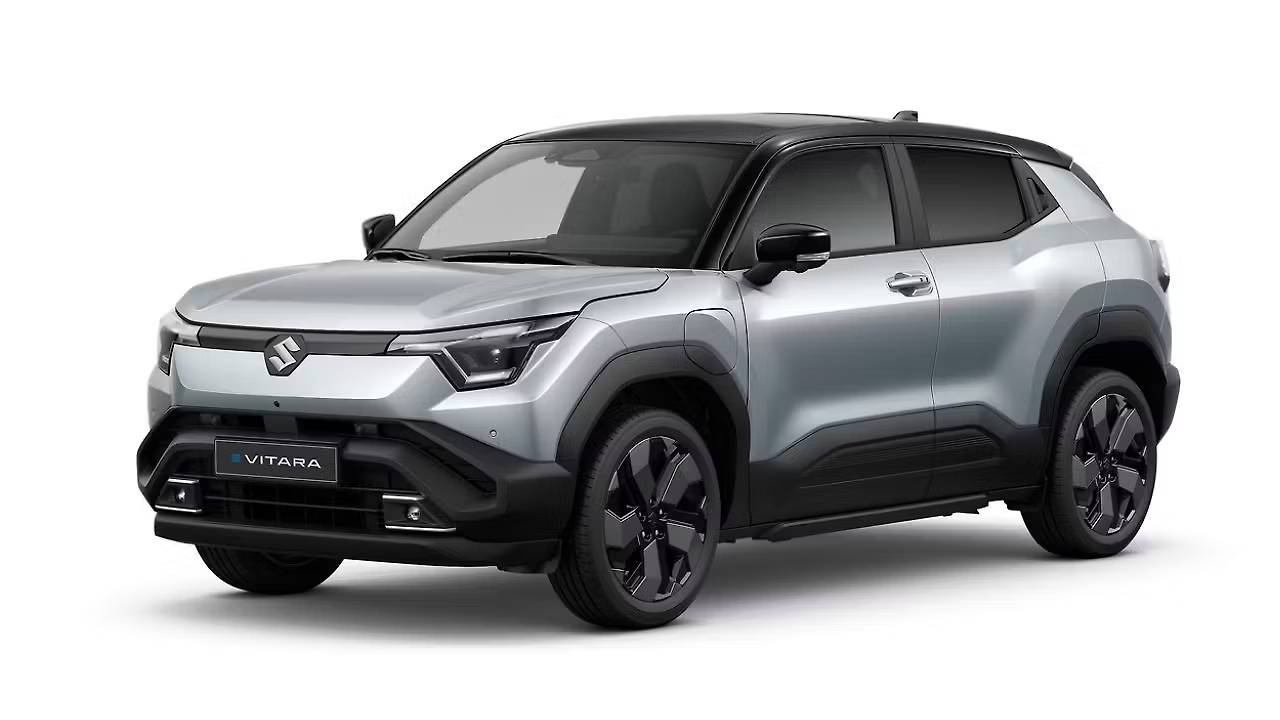
Maruti Suzuki is gearing up to roll out its first electric SUV, the E-Vitara. The car will be shipped abroad to almost 100 nations, making India the world’s production hub. However, in the domestic market, the launch could be challenged. The primary concern is the imported battery cost, which is high. If the price of batteries continues to be high, the price of the vehicle also will go up, so it will not be very appealing to the Indian customers.
Increased Cost of Electric Vehicles
Battery is the most costly component of an electric car. Import reliance and volatile supply situations make price reductions unlikely in the near future. That may translate into electric cars not being affordable for Indian consumers in the immediate future. If India cannot source lithium and rare earth materials from a stable source, the electric car could continue to be a costly proposition beyond the reach of many.
Also Read: Top 5 Electric Scooters in India with Best Range – With 212Km on Full Charge
Also Read:Most Powerful CNG Cars in 2025 Now Offer Up to 31Km Mileage