


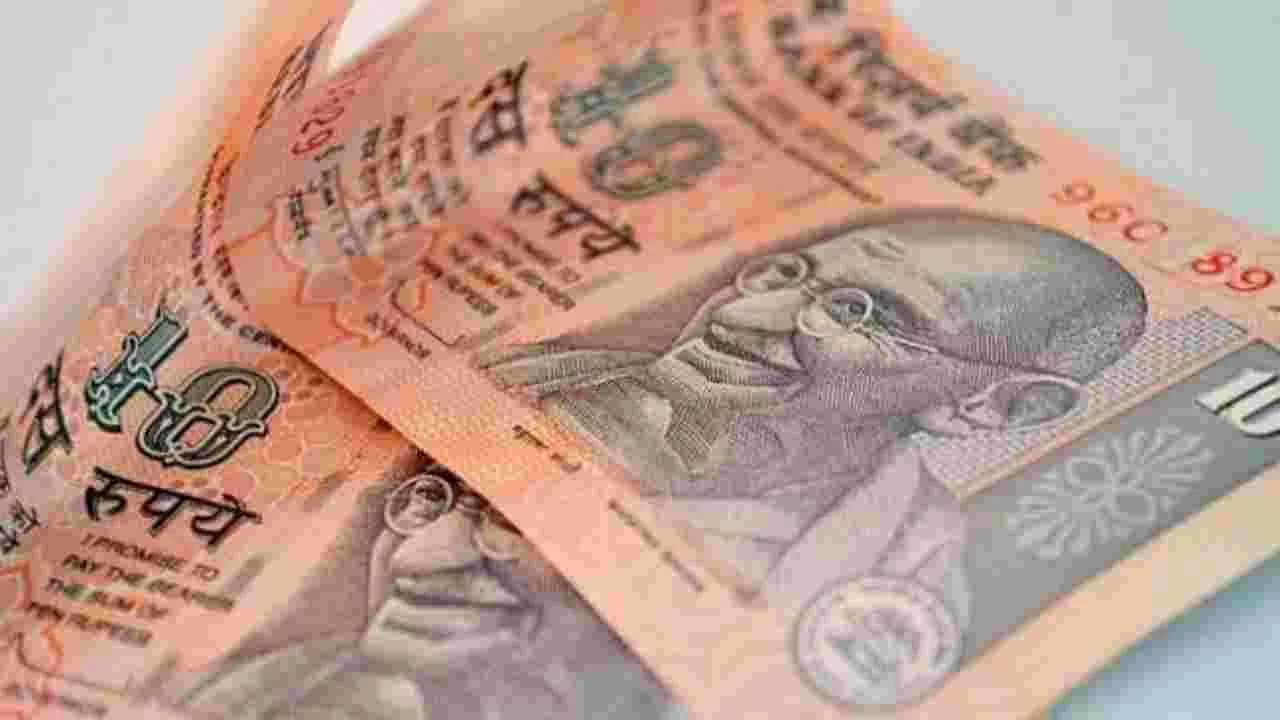
₹10 and ₹20 Plastic Notes: Big news is here regarding ₹10 and ₹20 Plastic Notes. In June of this year, the RBI Governor announced plans to consider the introduction of plastic notes, also known as polymer currency. This led to a wave of misinformation on social media, claiming that the central bank would withdraw all existing currency notes in favor of plastic ones. Consequently, the government had to step in and clarify the situation. It has now been confirmed that, as part of a pilot project, you will soon be able to hold plastic 10 and 20 rupee notes. Let’s explore when this will happen…
During a press conference following the Monetary Policy Committee (MPC) meeting last week, Reserve Bank of India (RBI) Governor Sanjay Malhotra shared that the government is conducting a pilot project to evaluate polymer banknotes under Indian conditions, including climate and infrastructure. He mentioned that if everything proceeds as planned, these notes are anticipated to be issued early in the next financial year, although no specific launch date was provided.
The topic was raised in the Rajya Sabha on August 11 (Tuesday) when MP Neeraj Shekhar inquired whether the government and RBI were indeed planning to roll out plastic currency and, if so, what the timeline might be.
What did Finance Minister Nirmala Sitharaman say?
In response to Neeraj Shekhar’s question, Finance Minister Nirmala Sitharaman confirmed that the RBI had proposed conducting one billion field trials of polymer banknotes in ₹10 and ₹20 denominations. She noted that the government had approved this proposal, and if the trials are successful, these polymer notes are expected to be issued regularly.
What did the Finance Minister say about the launch date?
However, the Finance Minister did not provide a specific launch date, stating that the process of procuring plastic notes is still in its early stages. She informed the Rajya Sabha, “The RBI has indicated that the procurement process is in its initial stages. Therefore, it is not feasible to provide an exact timeline or estimate the cost of implementation.”
What are polymer banknotes?
Polymer currency notes are made from a plastic substrate instead of cotton-based paper. They look and feel similar to paper currency, but are much more durable and have a longer circulation life. By resisting moisture, dirt, and damage from daily use, these notes remain cleaner and are less prone to damage.
In how many countries are these notes available and why does RBI want to introduce plastic notes?
Around 60 countries worldwide use polymer banknotes, including Australia, Canada, the UK, New Zealand, Singapore, Vietnam, Malaysia and Mexico. According to media reports in May 2026, the central bank wants to revive the nearly decade-old plan to avoid the rising cost of printing paper currency and reduce the need to exchange soiled and damaged notes.