


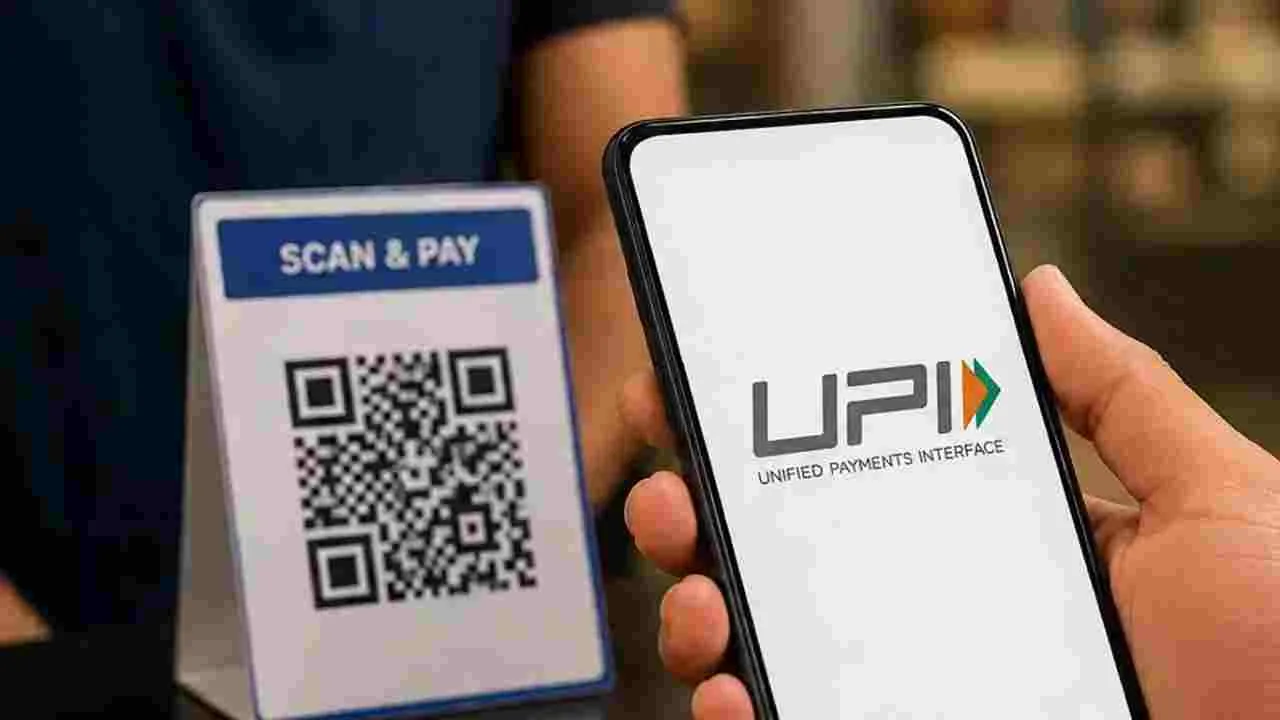
UPI: Envision requesting an AI assistant to handle your monthly mobile recharge, electricity bill, or grocery expenses. The AI comprehends your request and proceeds to execute the payment from your UPI account. Efforts are currently underway to create such a system within the realm of digital payments. However, prior to the implementation of this feature, the NPCI has prioritized enhancing security measures. The proposed system, which would enable AI agents to directly process payments, has been temporarily suspended to develop protective measures that ensure users’ funds are safeguarded against potential AI errors, misdirection, or cyber fraud.
What constitutes UPI’s AI system?
The NPCI is in the process of establishing a framework that permits an AI agent to conduct small, routine payments on behalf of users. At present, users are required to manually execute all payments within UPI. Under the new system, users will have the ability to pre-authorize AI, allowing it to make payments autonomously. For instance, you could instruct the AI to recharge your mobile phone monthly or ensure timely payment of your electricity bill. This functionality is being integrated into UAP.
Why has NPCI decided to pause this initiative?
The foremost reason for this decision is security. AI, akin to humans, not only adheres to instructions but also possesses the capability to make decisions. Consequently, if an AI were to make an erroneous decision, transmit an incorrect amount, or fall victim to a cyberattack, who would bear the responsibility for the resulting losses? This presents a critical question.
As a result, NPCI aims to establish stringent identification, authorization, and monitoring protocols before incorporating AI agents into the UPI system. NPCI is also developing a registry to identify and oversee AI agents.
What makes rogue AI a potential threat?
With the swift rise in AI utilization, rogue AI—defined as AI that operates incorrectly—has emerged as a significant concern. For example, if you instruct an AI to execute a monthly payment of up to 1,000 rupees, a technical malfunction or cyberattack could lead the AI to attempt a payment of 10,000 rupees instead of the intended 1,000 rupees.
This is why, in the event of an error in AI decisions, it is crucial to determine who will bear the responsibility for the loss – whether it be the AI developer, the bank, the payment application, or the user.