


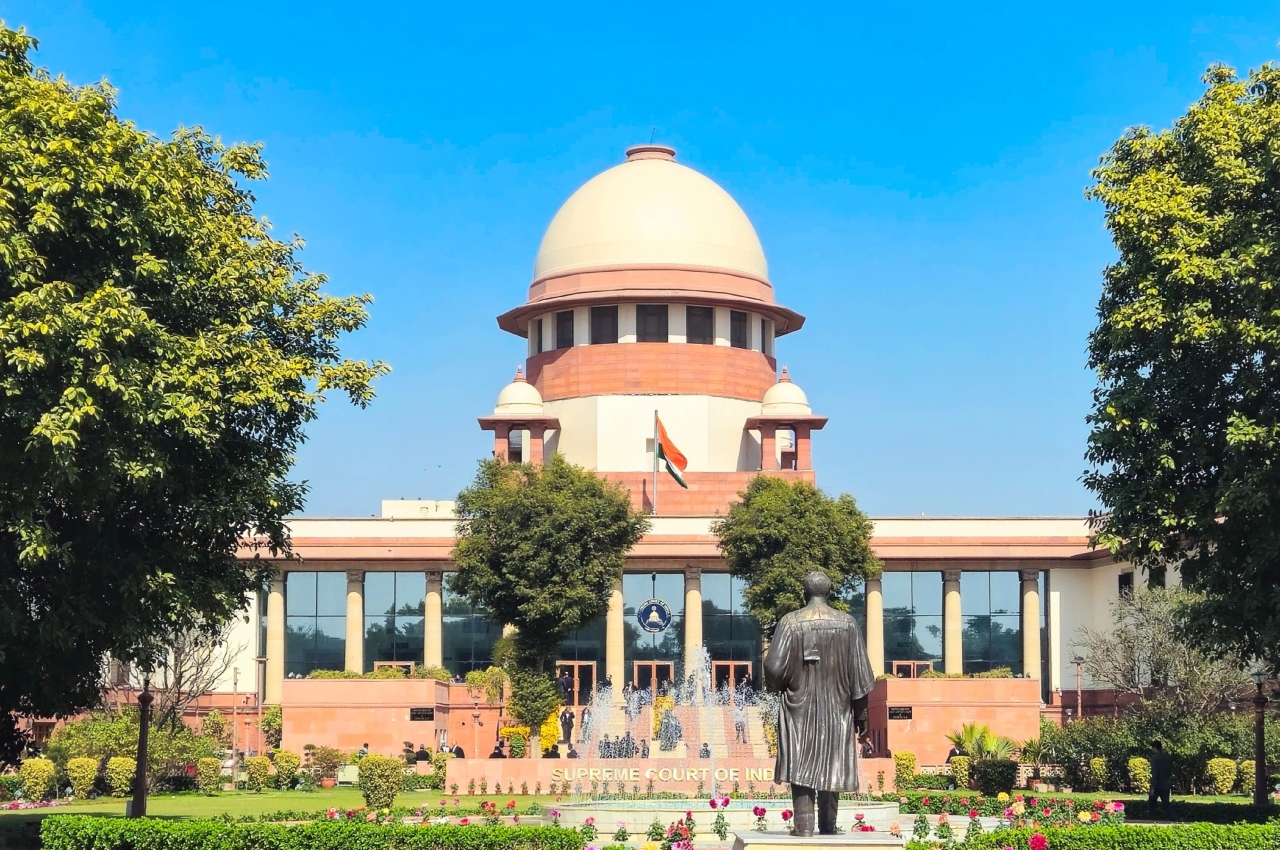
Supreme Court: Property disputes often arise among family members, and they can become especially complex when a married woman dies after her husband and later remarries. A key question is whether children from her second marriage can inherit property she received through her first husband’s family. The Supreme Court has considered a similar case, making it important to understand the circumstances and its ruling.
The woman’s first husband died
The case concerned a woman whose husband and son had both died. Following their deaths, she inherited about 45 bighas of agricultural land. After her first husband’s death, she considered marrying again.
When did the woman receive the land?
According to the available information, she received the land before 1956. Under the Delhi Land Reforms Act, 1954, she was regarded as its legal owner.
She remarried after her husband’s death
The woman married a member of her first husband’s family and had two sons with him. When questions later arose about her property, her first husband’s family claimed the land, arguing that it was family property and that they were entitled to it.
Children from the second marriage claimed the land
While her first husband’s family asserted its claim, the woman’s two sons from her second marriage argued that the land belonged to their mother and that they were entitled to inherit it after her death.
The case reached the Supreme Court
The matter ultimately came before the Supreme Court, which considered Section 14(1) of the Hindu Succession Act, 1956. Under this provision, a Hindu woman who already holds a legal interest in property may have even a limited interest converted into full ownership. This can apply to property inherited before 1956. When the Hindu Succession Act came into effect that year, the woman became the full owner of the land.
What decision did the Supreme Court take?
It should be noted that the Supreme Court, under Section 14(1) of the Hindu Succession Act, 1956, ruled that after a woman’s death, her heirs would inherit the land. This means that the Supreme Court ruled in favor of the sons from her second marriage. It also stated that the two sons from her second marriage cannot be deprived of their rights to the land simply because the land once belonged to the first husband’s family.