
Rajma: More Than Just a Curry – The Heartwarming Story of India’s Favorite Comfort Food
Rajma : In the bustling lanes of North India and the cozy kitchens of family homes, the rich, aromatic scent of Rajma is a universal signal of comfort. This humble dish, featuring red kidney beans simmered in a thick, spiced tomato gravy, is far more

 Join Us
 Add as a preferred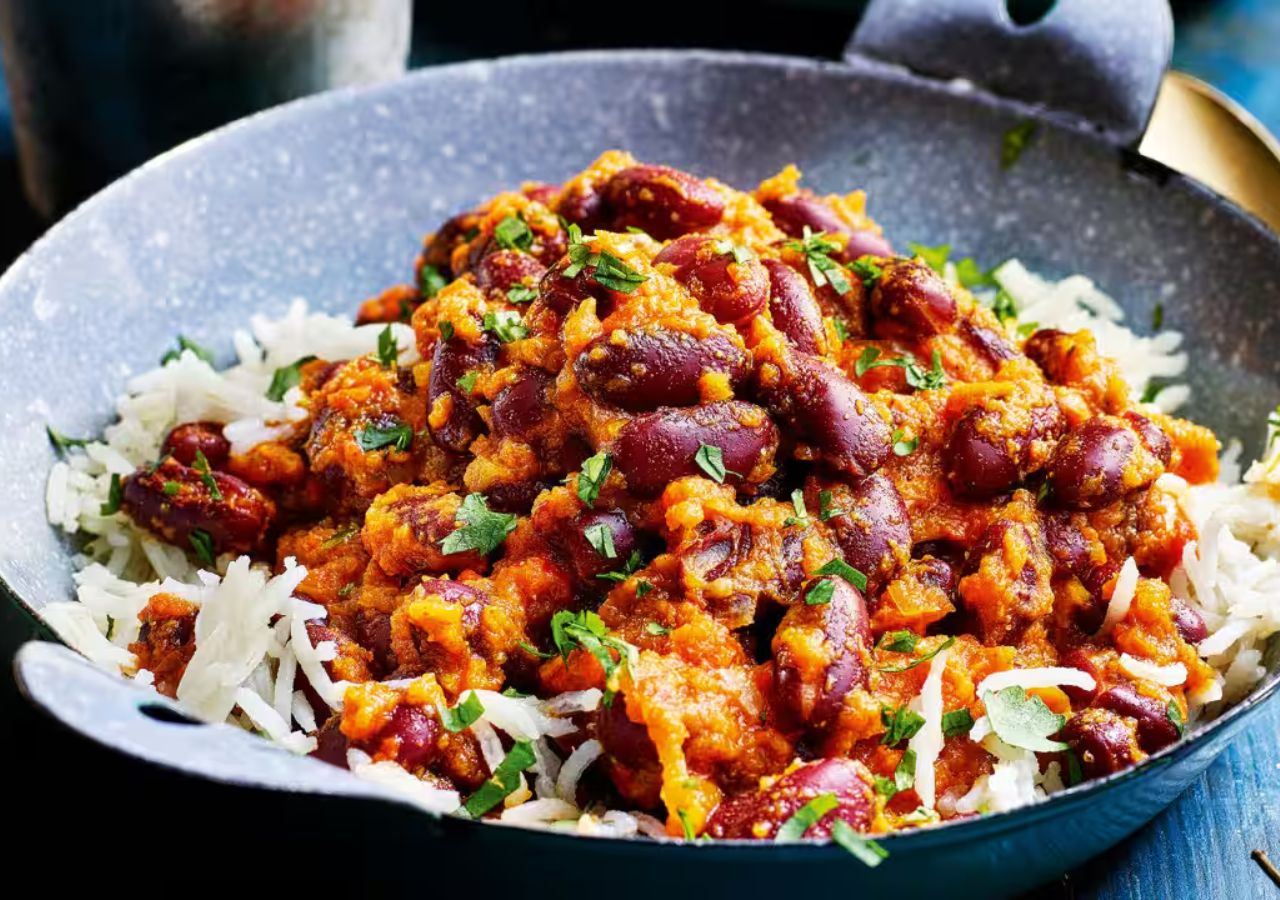
Rajma
Rajma : In the bustling lanes of North India and the cozy kitchens of family homes, the rich, aromatic scent of Rajma is a universal signal of comfort. This humble dish, featuring red kidney beans simmered in a thick, spiced tomato gravy, is far more than just a weekly staple; it’s a bowl of nostalgia that feeds the soul. But have you ever wondered how this protein-packed legume became so deeply woven into the fabric of Indian cuisine?
A Journey from the Americas to an Indian Staple
It might surprise you to know that the kidney bean is not native to India. Its story is a fascinating tale of global exchange. Rajma, or the red kidney bean, is believed to have been introduced to the Indian subcontinent by Portuguese traders and explorers from the Americas several centuries ago. Just like potatoes, tomatoes, and chilies, kidney beans found a second home in the fertile soils of the Himalayan foothills, particularly in regions like Himachal Pradesh and Jammu & Kashmir. Over generations, local cooks masterfully adapted this new ingredient, applying the principles of Indian masalas and cooking techniques to create the beloved Rajma Masala we know today.
Why is Rajma So Good for You?
This delicious comfort food is also a powerhouse of nutrition, making it a fantastic choice for vegetarians and health-conscious eaters alike.
-
Excellent Source of Plant-Based Protein: Rajma is packed with protein, essential for building muscle, repairing tissues, and maintaining overall health.
-
High in Dietary Fiber: It is incredibly rich in fiber, which promotes digestive health, helps regulate blood sugar levels, and keeps you feeling full longer, aiding in weight management.
-
Rich in Essential Nutrients: It provides a healthy dose of iron, folate, magnesium, and potassium, which are vital for energy production, heart health, and reducing inflammation.
-
Heart-Healthy: The combination of fiber, potassium, and magnesium contributes significantly to cardiovascular health by helping to manage cholesterol and blood pressure.
Fact Check:
-
Claim: Rajma is a traditional Indian dish with ancient origins.
-
Verification: Mostly False. While it is a central part of modern Indian cuisine, the primary ingredient, the red kidney bean (Phaseolus vulgaris), originated in Central Mexico and Guatemala. It was introduced to India post the 16th-century Columbian Exchange.
The Ultimate Comfort Pairing: Rajma Chawal
Ask anyone about their favorite way to eat Rajma, and the answer is almost unanimous: with steamed rice. The combination of Rajma Chawal is a match made in culinary heaven. The creamy, spicy gravy seeps into the fluffy white rice, creating a simple yet profoundly satisfying meal that is both nutritious and incredibly flavorful. It’s a Sunday special in countless households, a dish that brings families together around the dining table.
Mohini
Next Article
इस बोल्ड वेब सीरीज ने पार की सारी मर्यादा, इंटीमेट सीन्स देख फैंस ने बंद कर ली आँखें….
रोज़ के वही एक्शन और ड्रामा से बोर जो चुके है। तो आज हम आपके किए ऐसे बेहतरीन और दिलचस्प बोल्डनेस से भरपूर वेब सीरीज लेकर आए है। जिसको देखते ही आपका मूड बन जाएगा। तो एक झलक इधर जरूर से देखें।


अगर आपको रोमांटिक वेब सीरीज का शोख़ है। तो एक बार आपको यहाँ ज़रूर से देखना चाहिए। इस बोल्ड वेब सीरीज़ को 18+ के ही लोग देखे। ध्यान रखें देखने से पहले बच्चों को इनसे दूर रखें। इस वेब सीरीज में जमकर रोमांस और खूब बोल्ड सीन दिए गए है। लेकिन अलग अलग मजेदार कहानी और खूब सस्पेंस ड्रामा है। एक बार जरूर से देखे।
Write a Comment