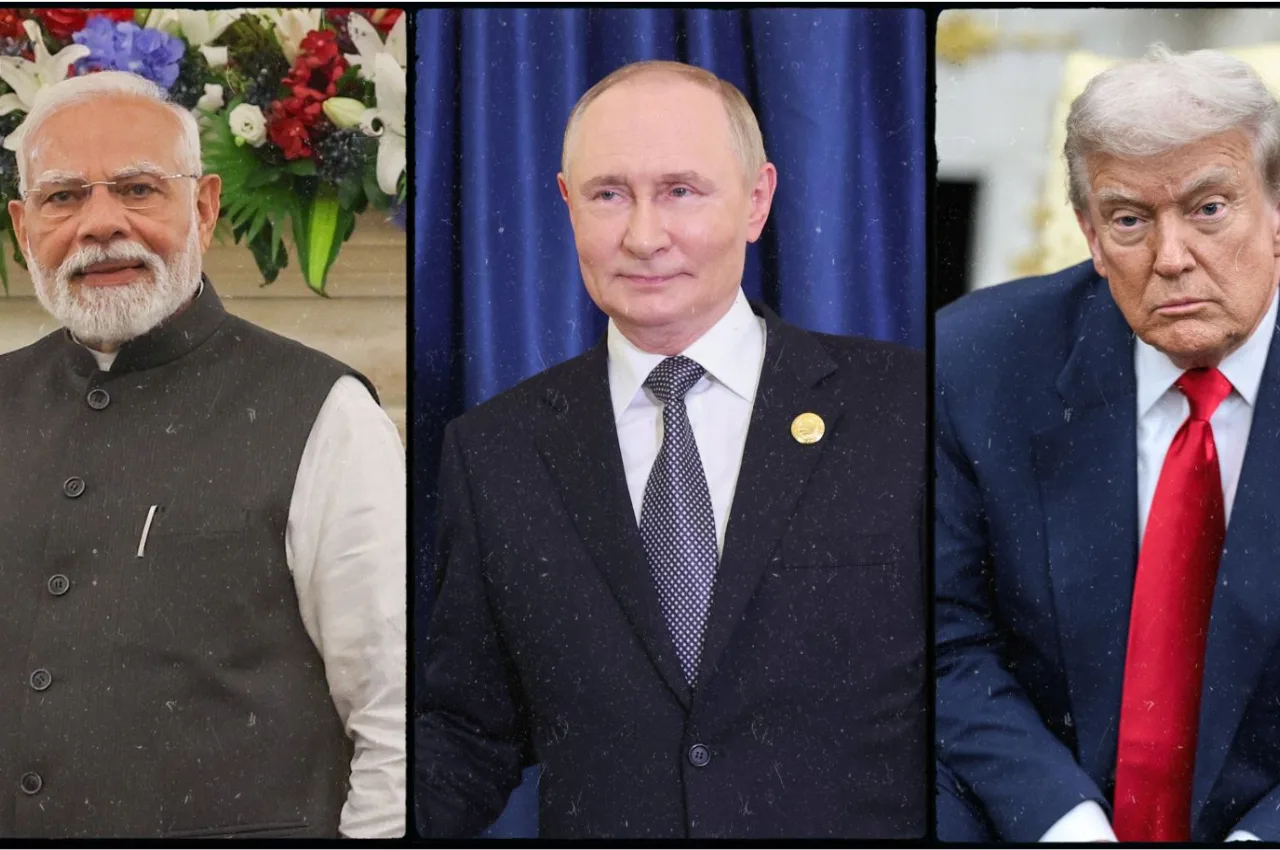
India-US Trade Deal: After a long wait, the trade deal between India and the United States is finally done. An interim trade framework was also revealed on Saturday. This deal is being seen as a big deal for global politics and the economy. While it has opened up possibilities for removing trade barriers, it has also stirred up a lot of questions about oil imports from Russia. US President Donald Trump took to social media to say that India would stop buying Russian oil, but the quiet from India raises a lot of doubts about this statement. Keep reading to find out if India will actually stop purchasing oil from Russia.
Donald Trump caught everyone off guard by declaring on Truth Social that India would ditch Russian oil. An executive order from the US White House also confirmed India’s pledge to halt Russian oil imports.
However, the joint statement from both countries doesn’t mention the word “Russia” at all. Sources suggest that India will stick to its “people-first” strategy. India plans to buy oil from markets that provide the best and cheapest options. With India’s economy growing quickly, ensuring a steady energy supply at affordable prices is a top priority.
Can India really cut ties with Russia?
Experts say it’s not feasible for India to sever ties with Russia overnight. Here are the key reasons:
Advance bookings: Indian refineries have already secured Russian oil contracts for March and April. Cancelling these would lead to financial losses.
Refinery needs: The Russian “Ural” grade oil is the best fit for Indian refineries, both in terms of technical requirements and cost. American oil can’t easily take its place.
Cheaper prices: Discounts from Russia help India keep inflation in check.
What will India purchase?
Aiming to lessen reliance on Russia, the US has granted India a $500 billion deal over the next five years. This agreement will allow India to acquire gas and crude oil, high-end GPUs and data center equipment, aircraft and their parts, soybean oil, and sorghum for both alcohol production and animal feed. Additionally, Union Commerce Minister Piyush Goyal has emphasized that sensitive sectors in India, such as dairy, fruits, vegetables, and spices, are fully protected in this deal to ensure that domestic farmers’ interests remain intact.
What Did India Gain?
As part of this agreement, the US has lifted the 25% tariff on India. In exchange, India has also lowered tariffs on US goods. The tariff on Indian products like clothing, footwear, and machinery, which was 25%, is now down to 18%. The 25% tariff on US industrial goods has been slashed to 0%. Moreover, tariffs on US agricultural products, including nuts and fruits, have also seen significant reductions.
Latest News
- Weather warning – Heavy Rain, thunderstorms, lightning Alerts for 13 States Over Next 3 Days

- UP TGT Exam City Slip 2026 Released – Download at upessc.up.gov.in, Exam June 3-4

- ATM Alert: एटीएम में फंस जाए डेबिट कार्ड तो घबराएं नहीं, फटाफट यह काम करने से होगा समाधान

- Post Office Scheme – 7.5% Interest Rate, ₹5 Lakh Becomes ₹7,24,974 in 5 Years, Start with Just ₹1,000

- Best AI Video Editing Laptops Under 60,000 INR: Top Picks Her

- Best CNG Cars: पेट्रोल के बढ़ते दाम के बीच ये सीएनजी गाड़ी खरीदकर खर्च करें कम, माइलेज भी जबरदस्त

- Samsung Stable One UI 8.5 Update to Galaxy Tab S10 FE and Tab S10 FE+

- बुढ़ापे की लाठी बनेंगी ये तीन स्कीम्स, निवेश से पहले जानिए कितना मिल रहा ब्याज

- OnePlus Nord CE 6 vs Samsung Galaxy A57: Which Mid-Range 5G Phone Wins?

- Lenovo LOQ 15 Gen 11 Review: Best Budget Gaming Laptop?