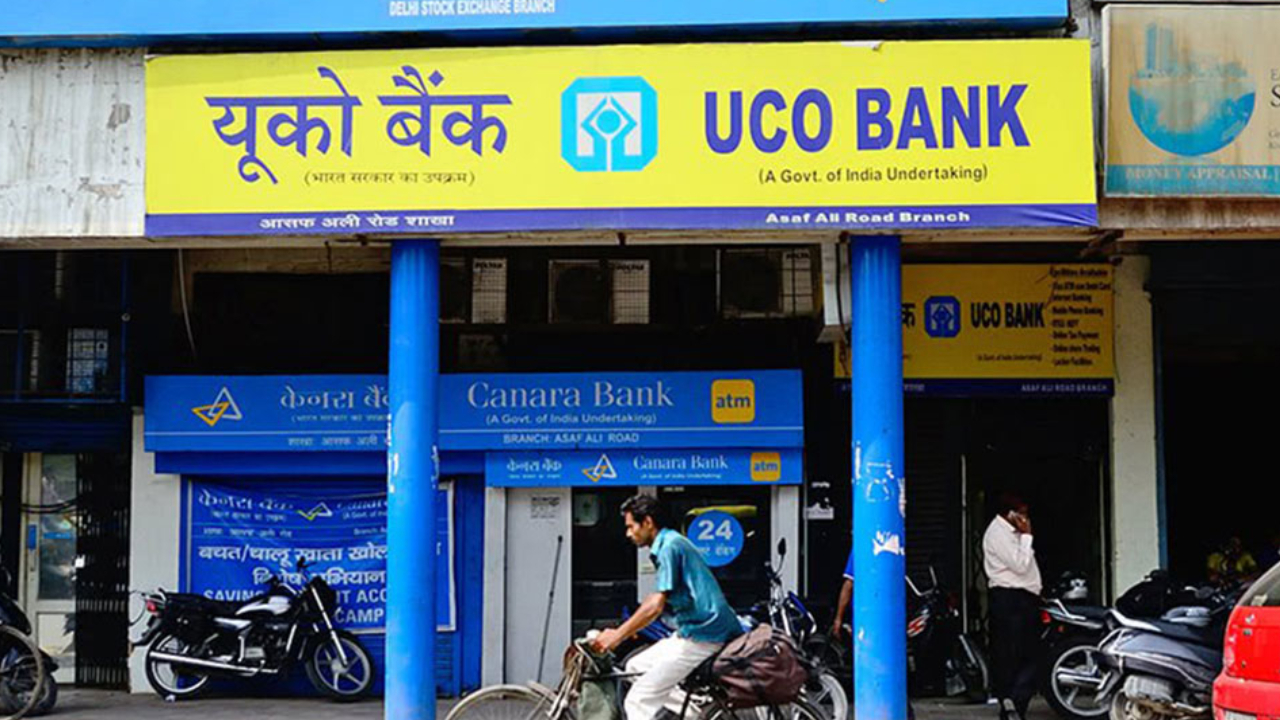
The UCO Bank Recruitment 2025 has provided a great platform for fresh graduates to start their career in the banking industry. The bank has officially opened the application process for apprentice posts in different states. Candidates who are interested can fill out their forms on the official website before the closing date. This recruitment is an attempt to motivate young professionals to gain professional experience in a well-established national bank.
Key Highlights
- Total Posts: 532 apprentice posts
- Categories: 229 for General, 132 for OBC, 98 for SC, 45 for ST, and 28 for EWS candidates
- Application Dates: 21 October 2025 to 30 October 2025
- Registration: Register NATS at nats.education.gov.in
prior to applying - Application Mode: Online via uco.bank.in
Eligibility Criteria
To be eligible for the UCO Bank Recruitment 2025, the candidates should possess a graduation degree from a recognized university in any stream. The minimum age should be 20 years, and the maximum age should be 28 years as of the closing date of the application. The candidates should be born between 2 October 1997 and 1 October 2005. But reserved category candidates will get age relaxation under government rules.
Application Process
The candidates must first register themselves on the National Apprenticeship Training Scheme (NATS) portal to be qualified. Once they have filled their profile on NATS, they can move on to the UCO Bank website to complete the application form. While filling, the candidates have to upload their documents, photos, and signatures according to the specified requirements. It is recommended to cross-check all the details before final submission to avoid rejection.
Stipend and Application Fee
Under UCO Bank Recruitment 2025, the chosen apprentices will be paid a training allowance of ₹15,000 per month. The application fee is ₹800 plus GST for General, OBC, and EWS categories. SC and ST applicants can apply without any fee, and disabled persons are required to pay ₹400 plus GST. The bank is trying to make this opportunity inclusive by providing fee concessions to weaker sections.
Latest News
- Train Ticket: How to book a confirmed train ticket without an agent? Learn the Easy Steps

- Indian Railways– 155 Trains Express Declared High-Speed, Thousands of Railway Staff to Benefit

- Monsoon Alert – Warning Heavy to Very Heavy Rain alert & thunderstorms in 22 States Over Next 4 Days

- America-Iran War: मिडिल ईस्ट में तनाव होगा खत्म! ईरान ने होर्मुज रास्ते पर कही बड़ी बात

- PM Surya Ghar Yojana 2026: Get Up to Rs 78,000 Subsidy within 6 Easy Steps, Know Here

- Cheapest Available 5G Smartphones in India Under 10000

- UPSC Prelims Answer Key 2026 – How to Download UPSC Prelims Answer Key at upsc.gov.in
- 8th Pay Commission: एनपीएस और पुरानी पेंशन में कौन सी बेहतर, जानिए बड़ा अपडेट

- Xiaomi 17T Launching With Leica 5x Zoom and Huge 6,500mAh Battery Under ₹60,000

- NEET UG 2026 – Haryana & Bihar Announce Free Bus Service for Candidates on June 20-21