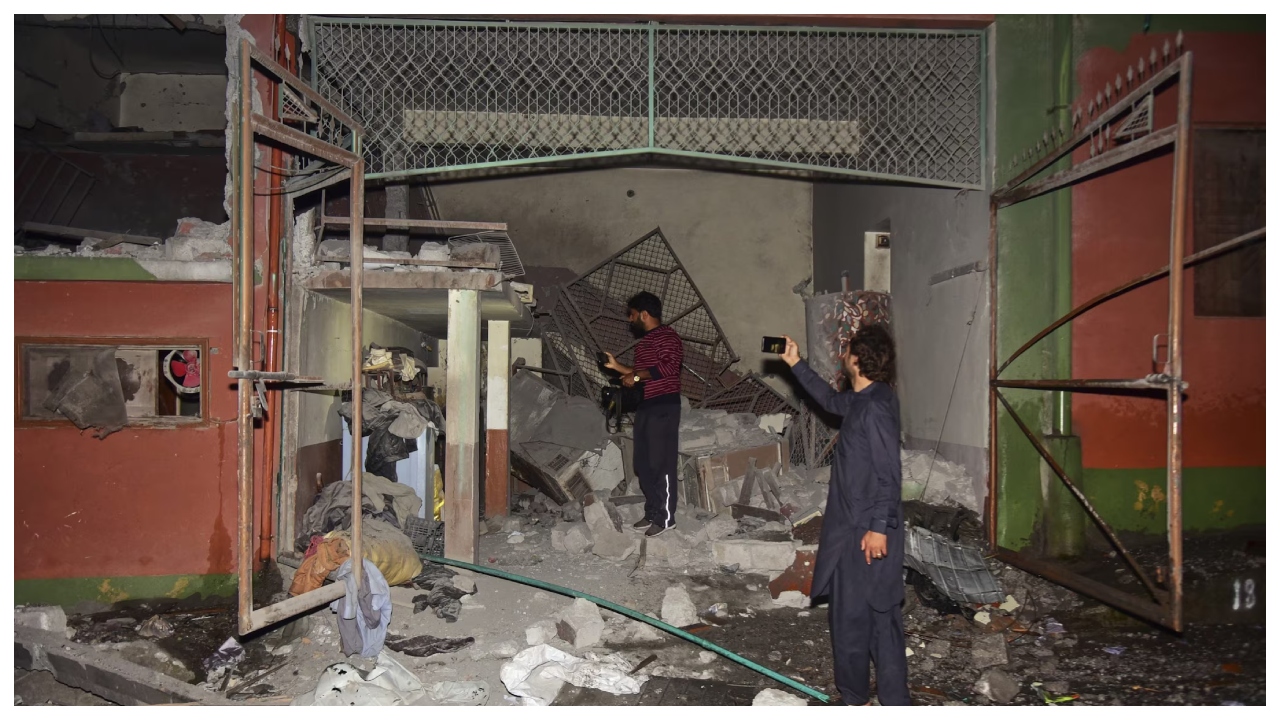
Operation Sindoor: Following the horrific terrorist attack in Pahalgam, Jammu & Kashmir, on April 22nd, where Pakistan-backed militants killed 26 innocent tourists, India launched a multi-pronged counter-strategy to hold Pakistan accountable. Over 15 days, India executed 15 decisive actions, crippling Pakistan economically, diplomatically, and strategically. Here’s a detailed breakdown of India’s retaliatory measures and their impact.
1. Termination of Indus Water Treaty
India scrapped key provisions of the Indus Water Treaty, cutting off water supply to Pakistan. This move triggered a severe water crisis, affecting 17 crore Pakistanis dependent on the Indus River. Pakistan is now seeking UN intervention.
2. Complete Trade Ban with Pakistan
India halted all trade agreements, blocking Pakistani exports while allowing Indian goods to enter Pakistan. This cost Pakistan millions in revenue, especially in exports like cement, dry fruits, cotton, and steel.
3. Blocking Chenab River Water
India further tightened control by stopping Chenab River’s flow, worsening Pakistan’s water scarcity. Pakistan called this a “water attack”, as rivers and streams began drying up.
4. Diplomatic Isolation of Pakistan
India successfully isolated Pakistan globally, with no major power openly supporting them except China—whose stance remained ambiguous.
5. Ban on Pakistani Imports
India banned all imports from Pakistan, including watermelons, rock salt, optical goods, and textiles, further damaging Pakistan’s economy.
6. Suspension of Postal Services
For the first time in history, India banned postal exchanges with Pakistan, disrupting communication and commerce.
7. Ban on Pakistani Ships in Indian Waters
India blocked Pakistani vessels from using Indian routes to reach Bangladesh, choking their trade logistics.
8. Expulsion of Pakistani Military Advisors
India expelled all Pakistani military advisors, escalating tensions and reducing backchannel diplomacy.
9. Flooding Muzaffarabad via Jhelum River
In a strategic move, India released excess water from the Jhelum River, flooding Muzaffarabad and forcing evacuations.
10. UN Isolation of Pakistan
During the May 5th UN Security Council meeting, Pakistan failed to gain support, with member nations questioning its role in terrorism.
11. Lack of Muslim Nations’ Support
Even Muslim-majority countries, including Saudi Arabia, condemned Pakistan’s terrorism, marking a diplomatic setback.
12. Global Diplomatic Briefings Against Pakistan
India exposed Pakistan’s terror links in high-level meetings with foreign ambassadors, turning global opinion against Islamabad.
13. Economic Warfare: Karachi Stock Market Crash
India’s psychological and economic pressure led to a continuous decline in Pakistan’s stock market, worsening financial instability.
14. Shutting Down Key Dams (Salal & Baglihar)
India cut off water supply from Salal and Baglihar dams, which Pakistan relied on for drinking water and electricity.
15. Operation Sindhu: Surgical Strikes
India conducted precision strikes under Operation Sindhu, eliminating over 100 terrorists and sending a strong message.
Conclusion:
India’s 15-point retaliation has left Pakistan economically strained, diplomatically isolated, and militarily weakened. From water wars to trade bans and surgical strikes, India’s strategic response has redefined regional power dynamics.
Latest News
- Maruti Dzire CNG Continues Dominance – Fuel Efficient Sedan Wins Indian Families

- Vivo Y600 Turbo Set to Debut: Featuring a 165Hz Display, Dimensity 8500, and a Massive 9,020mAh Battery

- HMD Vibe 2 5G Debuts in India with 6000mAh Battery & 50MP Camera: Get It For Just ₹9,499 With Launch Offers

- 8th Pay Commission लागू होते ही कितना हो जाएगा फिटमेंट फैक्टर, चेक करें अपडेट

- Oppo Find X9 Ultra Launched in India: Check Reliance Digital Price, Bank Offers, and Flagship Specs

- Electricity Bill Saving– How to Save Power During Summer Heat? Here Are the Few Tips

- Gold-Silver Rate – Gold ₹44,396 per 10 grams & Silver ₹1,85,462 per kg cheaper from the Peak

- US Green Card Rule Change, Know Before Apply

- PM Surya Ghar Scheme: खूब चलाएं एसी और कूलर, नहीं देना होगा बिल, जल्द कराएं यह काम

- ITR Filing Before May 31? You May Get Notice