


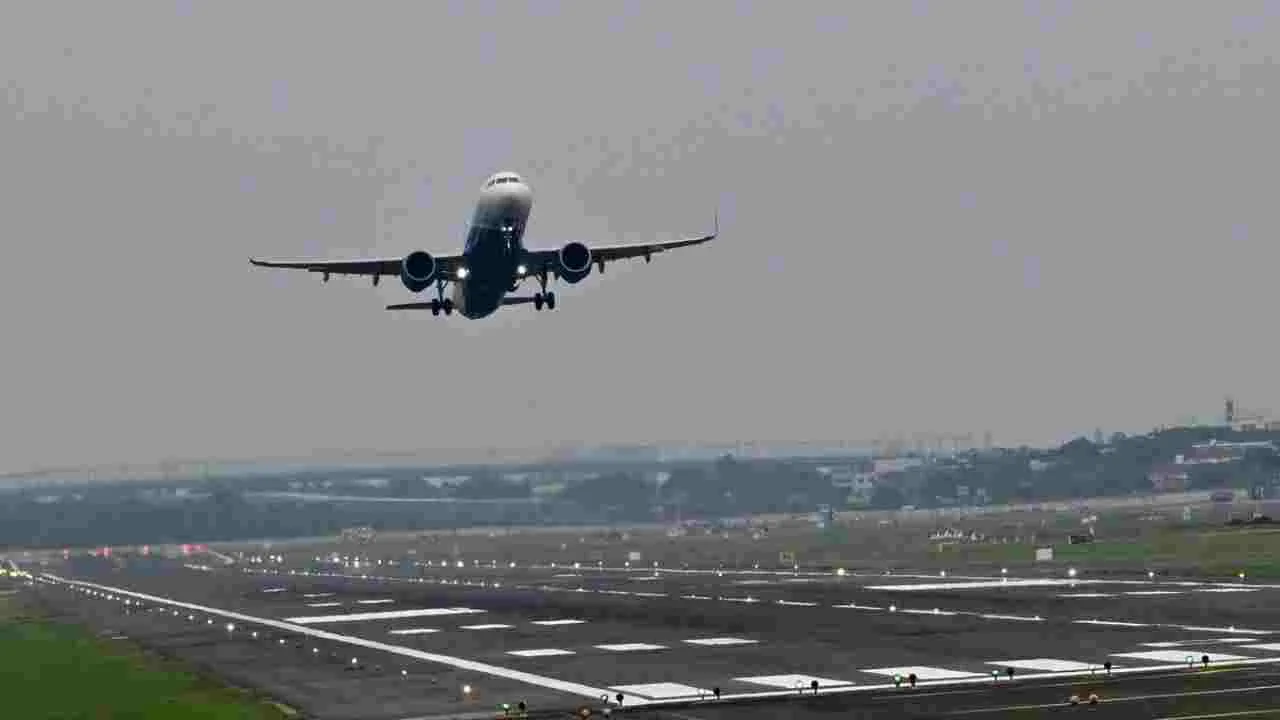
India-China Flight: Exciting news has emerged for air travelers between India and China. China Southern Airlines, a prominent airline in China, has declared that it will resume regular flights between Guangzhou and New Delhi starting September 21st. This service had been entirely halted for the last six years due to the COVID-19 pandemic and ongoing border disputes between the two nations. The airline intends to operate over 100 flights weekly across eight round-trip routes in the region.
This announcement comes as Chinese President Xi Jinping arrives in India to participate in the 18th BRICS Summit. He is attending the two-day summit (September 12-13) in New Delhi at the invitation of Prime Minister Narendra Modi. This marks Xi Jinping’s first visit to India in almost seven years. A significant bilateral meeting is also anticipated between the two leaders during the summit, raising hopes for improved relations between the two countries.a
The resumption of air services is expected to enhance relations. Relations between India and China have been notably tense since the violent clash in the Galwan Valley in 2020. India has consistently emphasized that peace and stability in border areas are crucial for normalizing bilateral relations. Therefore, the resumption of direct flights between the two nations is viewed as a major and positive development for trade, tourism, and diplomatic ties.
Other airlines are also increasing their efforts. Direct air connections between the two countries are gradually being fully restored this year:
Air India: Resumed its New Delhi-China air services in February this year.
IndiGo: Launched daily nonstop flights between Kolkata and Shanghai on March 30. Previously, the airline also initiated direct flights from Delhi to Guangzhou.
China Eastern Airlines: Resumed its flights on the Kunming and Kolkata route on April 18.
Air China: Restarted its services between Beijing and Delhi in April as well.
This new expansion of air services will not only save time and money for the businessmen and travellers of both the countries, but will also facilitate mutual communication between these two largest economies of Asia.