


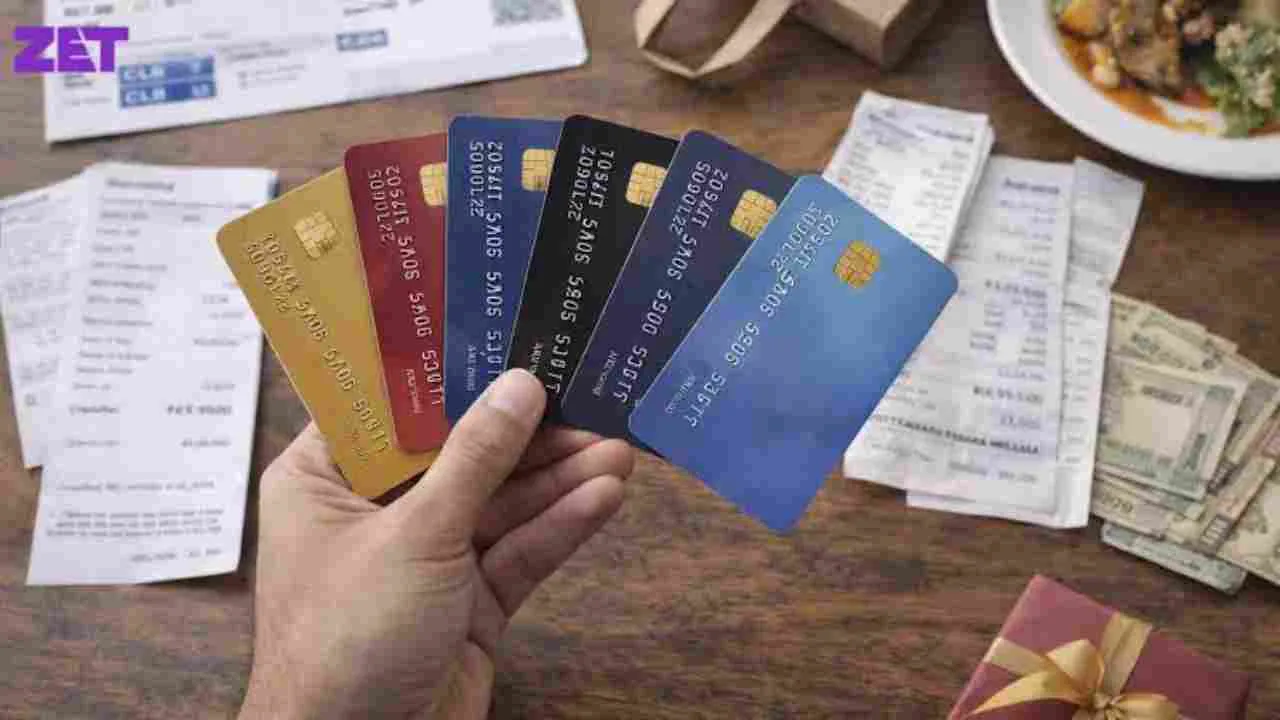
Credit Card Bills: If you’re employed, you have to work the entire month before the company pays you your salary. It’s the same in business; money comes in only after business is done. But nowadays, it’s increasingly common for people to rely more on credit cards than on their income. There’s nothing wrong with this approach, as you have to pay the bill after using the card limit. But have you ever considered what will happen if you can’t pay your credit card bill? The bank will come after you to collect the balance. That’s why it’s said that staying away from credit cards is better. So, let’s explain how you can get rid of credit card bills if you find yourself caught in that trap.
How to Save Credit Card Bills?
The first thing you should do is to keep in touch with your bank. Don’t turn off your phone, but instead tell the bank that you’re short on funds. In this case, the bank may give you some time so you can resolve the problem. When a credit card bill arrives, it displays two types of amounts: the total amount spent and the minimum amount. If you would rather not pay the total, you can pay the minimum amount by the due date.
This means you don’t incur any extra charges on your bill, avoid frequent bank hassles, and your CIBIL score isn’t negatively impacted.
Take a personal loan at a low interest rate.
It’s worth noting that credit cards can charge up to 40 per cent interest annually. However, you can get a personal loan at an interest rate of only 11 per cent. In this case, consider finding a good and affordable personal loan option and then pay off your credit card bill first. Afterward, continue repaying the personal loan at your convenience. Also, be careful not to neglect any bills or loans.
You can take help from PF.
While PF funds are for your future, you can withdraw them as needed if you wish. You can also pay your credit card bills by withdrawing PF advances while you’re employed. You can also settle your credit card bill. However, this process takes some time, as it only happens when some EMIs bounce. This way, you pay less than half the amount, but it affects your CIBIL score.