



The glow of gold will now give momentum to the economy
An estimated 25,000 to 30,000 tonnes of gold is lying idle in the vaults and lockers of Indian households. That is, about $4.46 trillion of wealth that is just adding to the charm of the locker. But now there is a big exercise to connect this gold with economic activities. The central government is working on the Gold Monetization Scheme (GMS) 2.0, which will be a new and improved version of the old scheme started in 2015.
In the old scheme, only 39 tonnes of gold could be collected in about 11 years. This time, the government plans to increase both its reach and appeal by making bullion traders a part of it. The proposed plan could be launched in August 2026.

What is the aim of this programme?
The bullion associations have submitted a blueprint to the government, setting a target of bringing back 200 tonnes of gold to the market in the initial phase. This will reduce the import of gold from abroad and save the country's huge foreign exchange expenditure. According to an estimate, 200-300 tonnes of imports can be reduced annually if the scheme is successful.
India's gold import bill rose 24% to a record $71.98 bn in 2025-26. This has increased the country's trade deficit and put pressure on foreign exchange reserves.

How is the new scheme different from the old one?
In the old scheme, gold had to be deposited directly in banks, due to which people used to hesitate. This shortcoming is being removed in the new scheme. Customers will be able to take their old design jewellery directly to the registered jewellers.
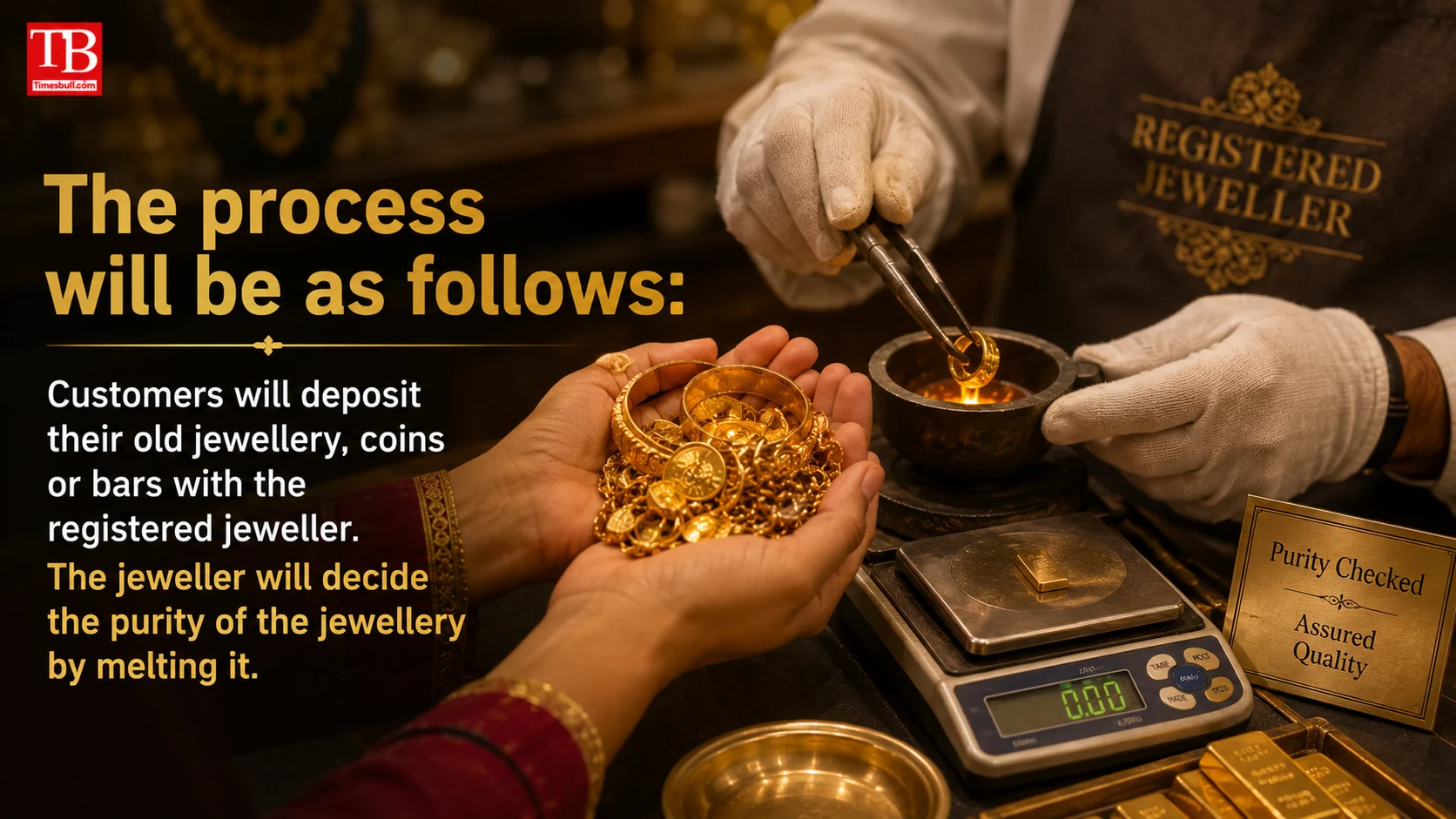
The process will be as follows:
Customers will deposit their old jewellery, coins or bars with the registered jeweller. The jeweller will decide the purity of the jewellery by melting it. After this, the jeweller will deliver the gold to the bank or refiner. The gold units will be credited to the customer's bank account and the customer will get interest on it.

The new generation will get double benefit.
Today's new generation prefers trendy and lightweight jewellery instead of traditional heavy designs. The biggest advantage of this scheme is that people will be able to get new designs easily by getting the right price of old jewellery lying idle in their homes. Jewellers will also get raw materials at a lower cost, which will reduce their dependence on imports.

Taxes will be easier!
The biggest concern is taxes. There will be complete transparency in the scheme. According to the guidelines of the Income Tax Department, those who hold gold within the prescribed limit get relief. Married women can possess up to 500 grams of gold, while the limit for unmarried women is 250 grams. A man can possess up to 100 grams of gold.
On depositing more gold than this, you may have to tell about its source. However, the interest earned on the deposits is completely tax-free. Capital gains on maturity are also tax-free.

What will be the interest rate?
In the old scheme, short-term deposits (1-3 years) used to get 2.25% to 2.5% annual interest. However, medium and long-term deposits have been discontinued since March 2025. Now only short-term deposits of 1-3 years are available. In the new scheme, the interest rates will be decided by the banks, which will depend on the international lease rate

Why import gold?
India is the world's second largest consumer of gold. The price of gold was going high for the last few days. In Delhi, the price of 10 grams of gold has crossed Rs 1.5 lakh. This has put pressure on the import bill. According to experts, the FII outflow can be fully compensated if 3-4% domestic gold also comes into the system.

Conclusion
The Gold Monetisation Scheme 2.0 has the potential to transform India's gold market. If the estimated 25,000-30, 000 tonnes of domestic gold comes into the system, not only will the import bill come down but common customers will also get benefits like interest and tax exemption on their idle gold. However, an official announcement is still awaited from the government. If you are planning to deposit gold, wait for the official guidelines to come and contact your nearest registered jeweller or bank. This is Timesbull. I first found you on .com