


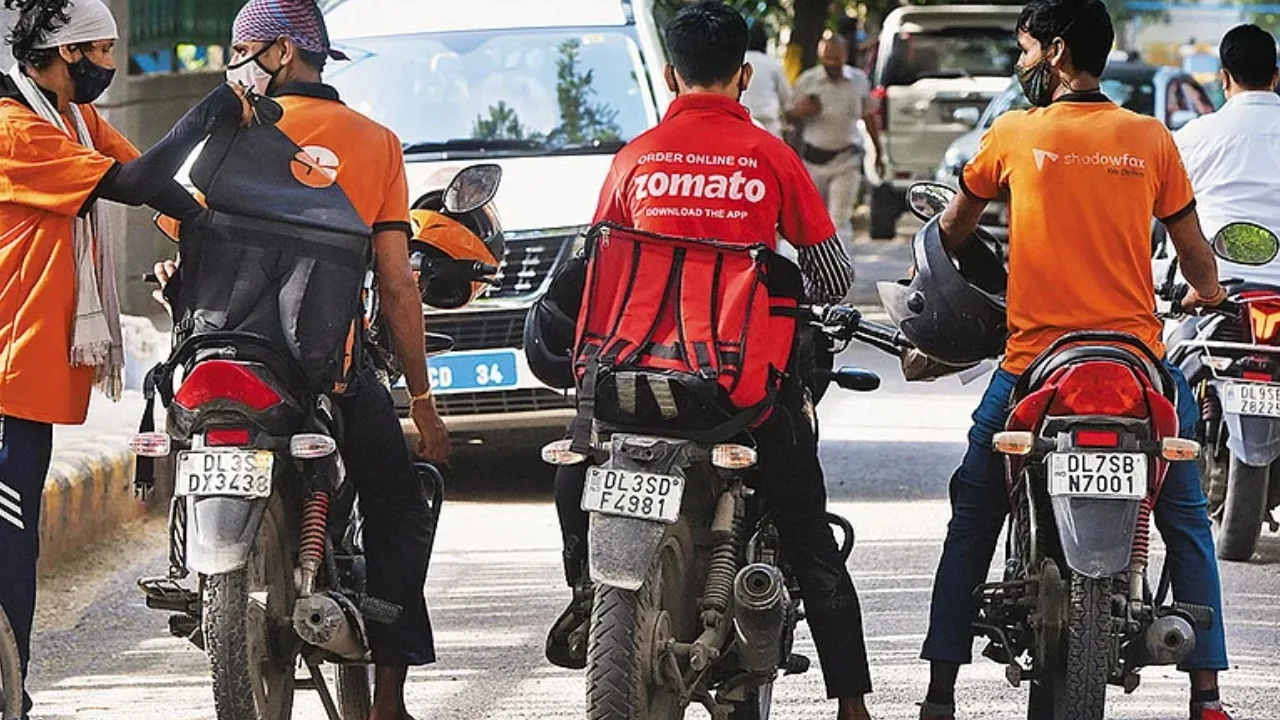
Gig Workers: Exciting news has emerged for gig workers associated with platforms like Zomato, Swiggy, and Ola-Uber. The government has officially unveiled the establishment of a National Social Security Board aimed at unorganized sector and gig-platform workers. This initiative has been launched by the Labor Ministry in accordance with the Social Security Code.
Good News for Gig Workers
With this new board in place, individuals involved in food delivery, cab driving, and other online gig jobs will now benefit from legal social security protections. This means they will have access to welfare schemes that include pensions and insurance.
What Benefits Will Workers Get from This?
Introduction of New Welfare Schemes: The board will develop various welfare schemes for gig workers and unorganised sector workers. These initiatives may include pension facilities, health benefits and other social security measures to improve workers’ financial and social well-being.
Monitoring of Existing Schemes: The board will closely monitor the implementation of ongoing Central Government welfare schemes to ensure that eligible workers receive the full benefits they are entitled to. This will help improve the delivery of social security benefits.
Transparent Monitoring of Funds and Records: The board will also examine records related to workers’ activities and the utilisation of funds across different states. This will promote transparency and accountability in the implementation of welfare programmes and ensure that allocated funds are used properly.
Three Mandatory Meetings Every Year: To ensure continuous attention to workers’ concerns, the board will be required to hold at least three meetings every year. These meetings will provide an opportunity to review existing policies, discuss workers’ problems and take necessary steps to improve welfare measures.
Who will be part of this board?
The board will be chaired by Union Labour and Employment Minister Mansukh Mandaviya. It will consist of representatives from both central and state governments, company representatives (aggregators), members of civil society, and crucially, representatives from unions representing gig and platform workers.