The next era of wearable artificial intelligence has officially arrived, like really arrived, at least that’s what it felt like. At the annual Google I/O 2026 keynote conference, Google teamed up with Samsung to lift the curtain on their highly anticipated Android XR smart glasses, it sounded almost unreal in the room.
They’re framing the whole thing as “intelligent eyewear” and honestly it’s positioned as this huge ecosystem shift that aims to deliver real-time, context-aware digital help. The idea is, you don’t have to keep fishing out your smartphone every few minutes, instead the assistance is just kind of… there. Built on a cooperative foundation, Google is steering the core software layer, Samsung is driving premium hardware manufacturing, and Qualcomm is supplying the high efficiency XR processing silicon.
Audio Glasses vs. Display Glasses
To satisfy a bunch of daily situations, the companies announced that the Android XR eyewear lineup will kinda split into two separate product hardware directions:
- Audio Glasses: Built for ultra-light, all-day comfort, these frames work mainly through spoken guidance. They push real-time audio help, incoming notification readouts , and smart navigation warnings straight to your ears using open-ear ambient speakers.
- Display Glasses: These upgraded frames bring in pretty complex optical wave-guides to project clear visual data, translation subtitles, and interactive graphic templates right into your field of view, exactly when you need it.
Gemini at the Center of the Everyday Interface
Once worn, the whole user experience kinda revolves around a hands free back and forth with Gemini AI. It’s activated super fast, like with a quick tap on the frame, or a plain “Hey Google” voice command. After that, the integrated multimodal AI layers can analyze what’s around you in real time, no hesitation.
Key Capabilities Unveiled
- Real world visual lookups: You can look straight at a historical monument, read a foreign menu, or spot a storefront and just ask Gemini to identify things right away, translate the text, or even pull up up to date restaurant feedback.
- Context aware navigation: It delivers a smooth turn by turn route, walking or driving, but it’s mapped to your exact physical spot and also your current face orientation, so it feels more grounded and less guessing.
- Background Task Execution: Since it’s powered by deep app integration, you can ask Gemini to handle multi step background activities like arranging an Uber or placing a meal order and you only need to give a last verbal go ahead, from you.
- Integrated cameras with Nano Banana style editing: The smart frames include discreet cameras for capturing photos and videos instantly. Then users can use Gemini powered tools to do quick generative changes, like removing background distractions, all through simple vocal commands.
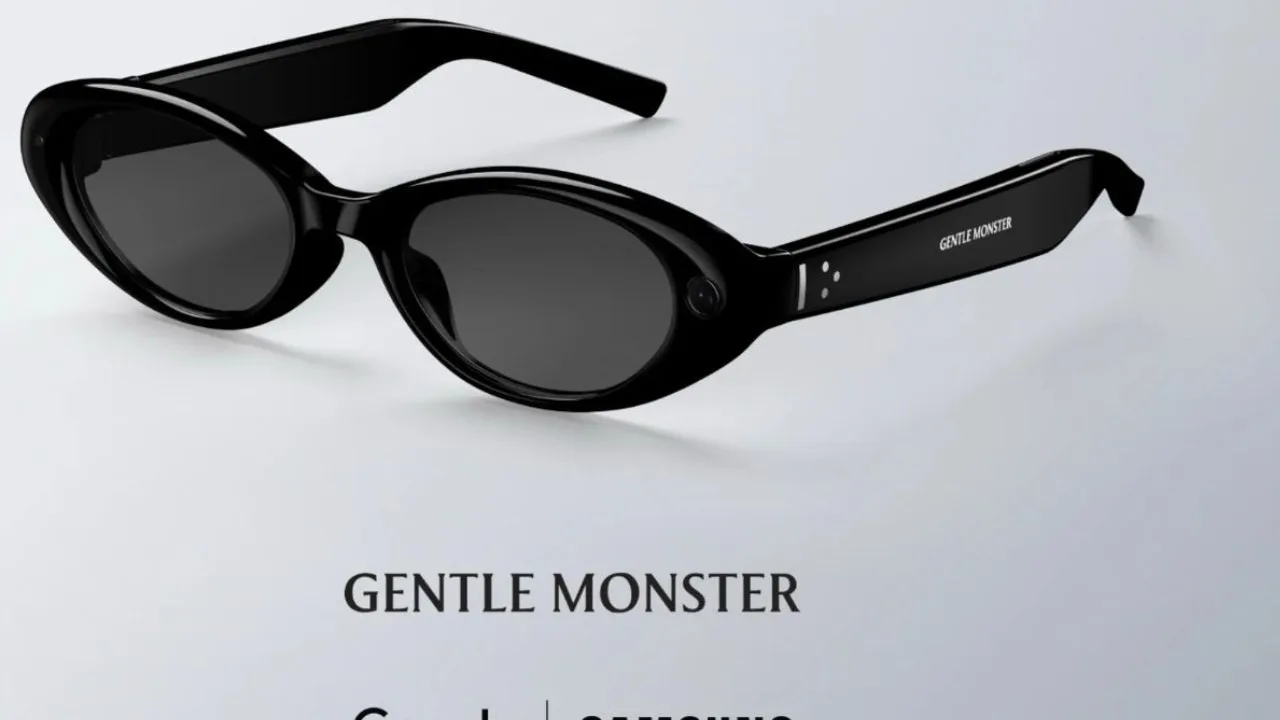
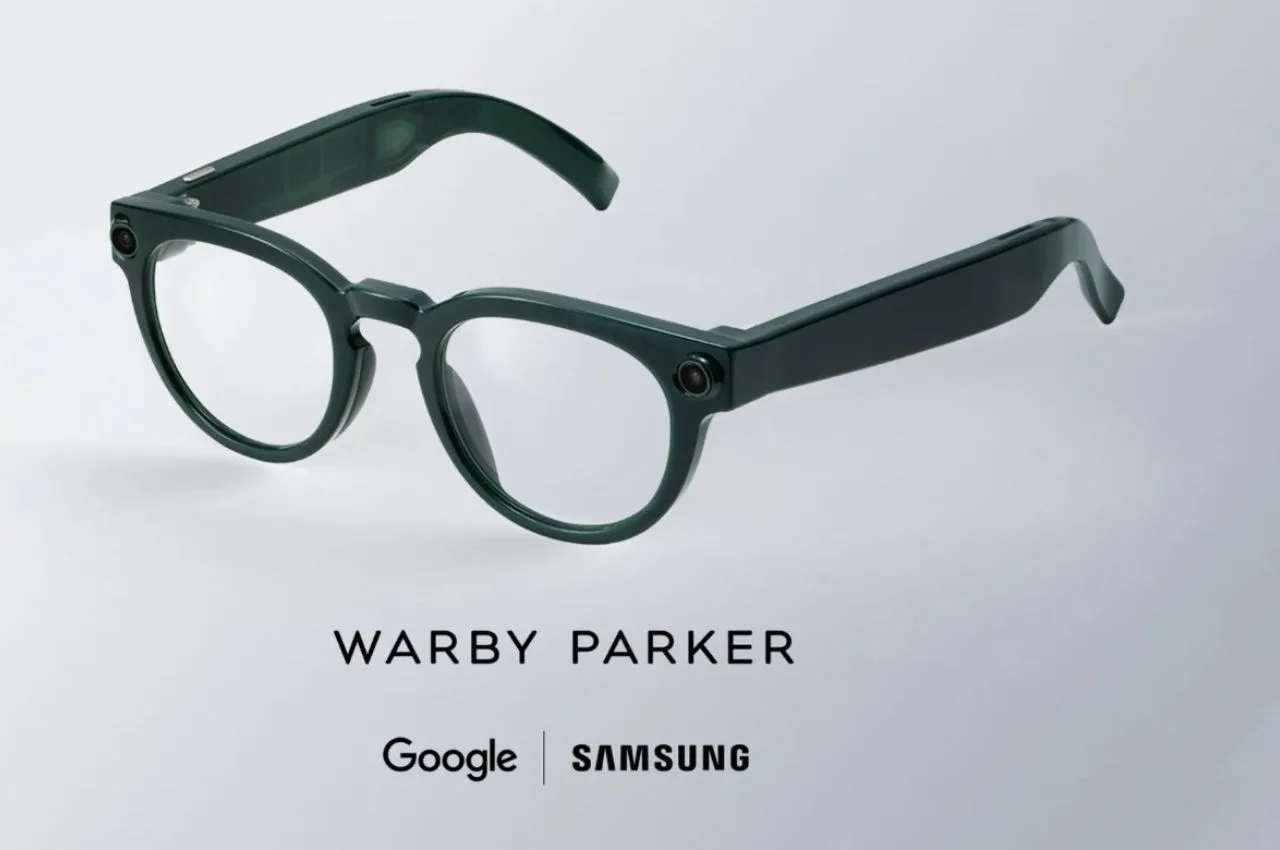
Warby Parker & Gentle Monster
A huge hurdle for earlier smart eyewear efforts was the awkward, almost too “techy” look, the kind that made people hesitate to actually wear them out in public, you know. So to make these frames feel like normal glasses first, Google and Samsung teamed up with two of the most trendsetting names in the eyewear space.
- Warby Parker: Selecting accessible, timeless, and good looking prescription-ready frames you can wear every day.
- Gentle Monster: Crafting bold , hyper-premium, and sort of avant-garde luxury fashion vibes.
With complete design collections rolling out through both fashion partners, the smart glasses are deliberately placed as a companion gadget to your phone. And because the heavy compute work gets handled by your connected device, the frames stay remarkably light , smooth, and honestly hard to tell from regular high-end eyewear.

Launch Timeline and Market Positioning
This major presentation kinda sits as a direct competitive response to Meta’s growing presence in smart eyewear segment. Even though Meta has seen early wins with lifestyle-first capture frames, Google and Samsung are leaning real hard into deep Android ecosystem connections, along with a broad set of third party app support, to build this action oriented personal assistant style interface.
While the I/O segment kept the exact retail pricing setup, and the official model naming, pretty much under wraps, Samsung still said the initial audio focused smart glasses version is scheduled to officially launch sometime in the Fall of 2026. Also they mentioned that the technical specifications and the overall worldwide rollout structure will be shared in the coming months, along with the rest of the details.