



Can a working woman's husband get a family pension?
According to the rules, if the woman was a pensioner, Employees' Pension Scheme (EPS) or central government employee and fulfilled all the necessary conditions, then her husband has the right to get a family pension after her death. This right accrues to the husband by virtue of being the heir of the deceased woman's pension, provided he fulfills all the eligibility criteria.
However, it is important to note that the rules of the central government's pension regime and the Employees' Pension Scheme (EPS) may be different.
Therefore, the amount of pension received or not and the amount of pension is decided according to the rules of the respective scheme.
Central Civil Pension Rules are applicable for Central Government employees, while there are separate rules for private sector employees and some government employees under EPS (Employees Pension Scheme) 1995.
Under what circumstances will the husband not be given a pension?
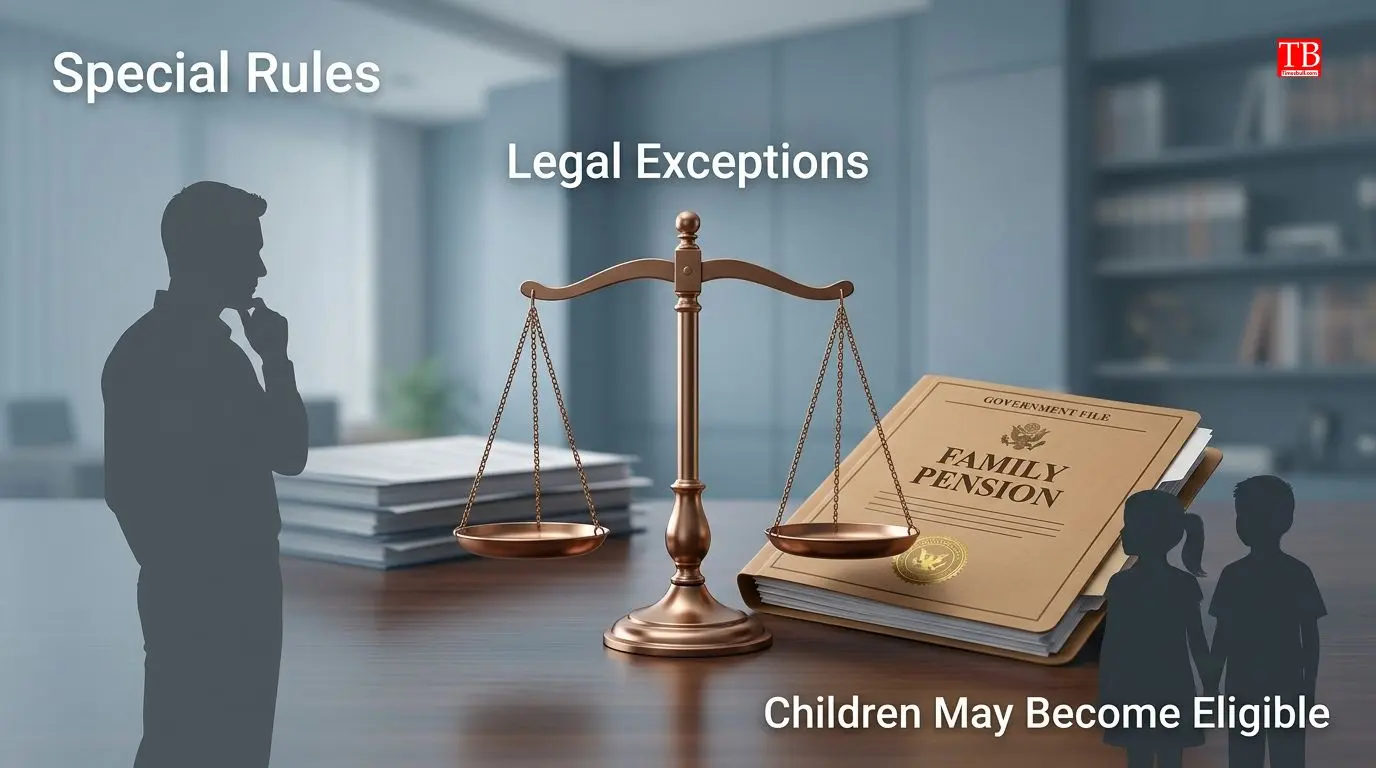
According to the rules, after the death of a working woman, only her husband has the first right to get a pension, but in some special circumstances, children can get this right in place of the husband.
These circumstances usually apply when the woman has taken any serious legal action against her husband or there is a serious marital dispute between them.
Such circumstances include - if a woman government employee has filed a case of divorce against her husband, a dowry case or a case of domestic violence, or has taken legal action in any other serious matter.
In such cases, the woman can request during her lifetime that the pension be given to the children after her death. However, this rule is applicable only in special circumstances, otherwise the husband has the first right to get the pension.
Are there any conditions for the husband to get a pension?
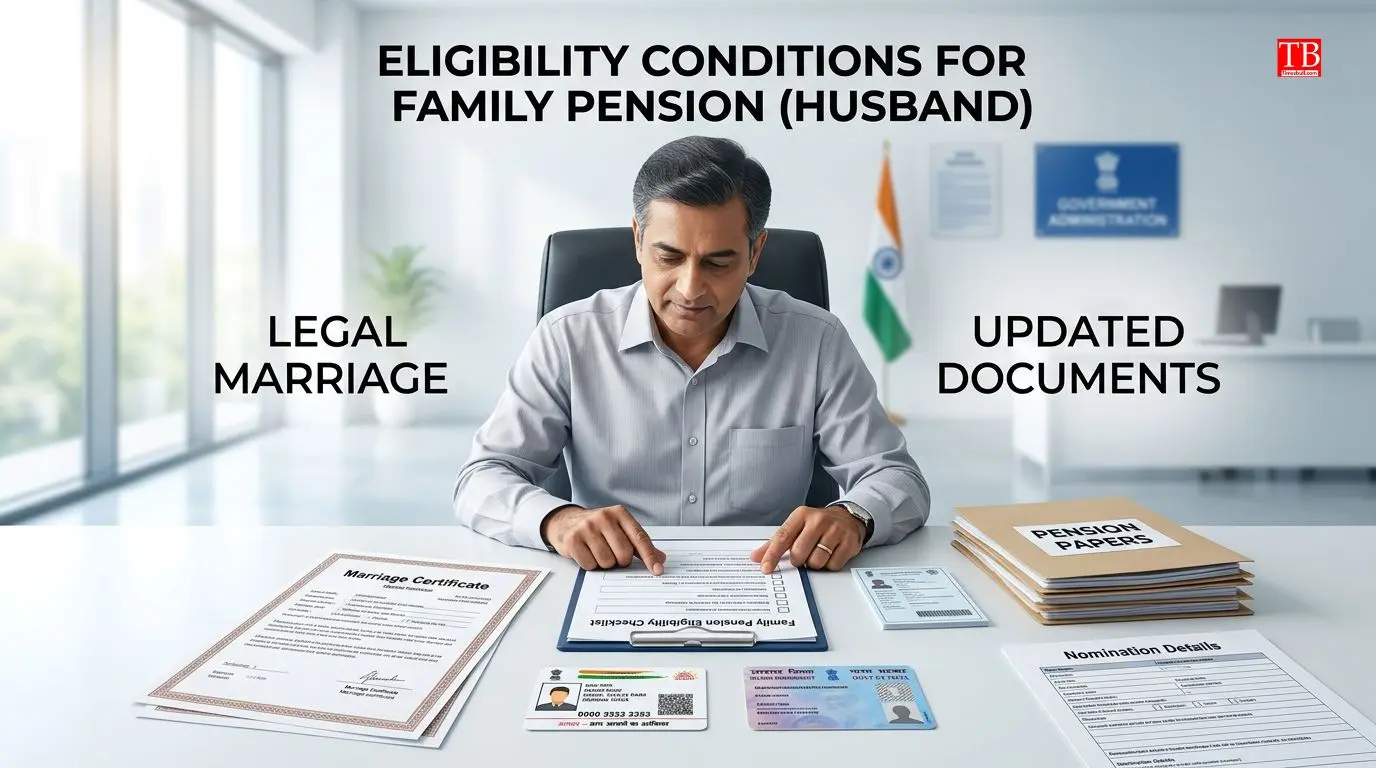
Yes, it is necessary to fulfill certain conditions for the husband to get the family pension. The first condition is that the marital relationship must be legally valid. If there is no legal marriage between the woman and the man or the marriage is disputed, then there may be a problem in getting the pension.
Secondly, there should be no criminal case against the husband which can deprive him of pension like the case of involvement in the death of the woman.
Thirdly, the husband has to update all his identity and marriage related documents correctly before claiming the pension in his name. If these documents are not correct or the records are not updated, then there may be a delay in getting the pension or it may not be received at all.
Therefore, experts recommend that employees keep their nominee and family information updated at all times.

What are the documents required for family pension?
To claim family pension, you need some necessary documents. The most important of these is the death certificate, which certifies the death of the deceased woman. Secondly, an Aadhaar card is necessary for identification. Third, a marriage certificate to prove that the claimant is the legal husband of the deceased woman.
Apart from this, documents related to PPO (Pension Payment Order) and EPF are also required, which provide information related to the pension and provident fund of the deceased.
Finally, the bank account information is also required, so that the pension amount can be transferred directly to the husband's bank account.
It is important to ensure that all documents are correct, complete and up-to-date, as a glitch in any document can cause a delay in the pension process.

Family Pension Rules under EPS (Employees' Pension Scheme) 1995
Under EPS (Employees' Pension Scheme) 1995, if a pensioner or member dies, his family is provided with a family pension. In this scheme, the family members of the deceased get the right to pension, which can include husband or wife, children and parents.
Under EPS, if the deceased was a woman member, her husband can get a family pension, if he meets all the eligibility criteria.
The benefit of family pension under EPS is available to those families where the deceased has completed 10 years or more of service, or his death occurred during the service. The amount of pension depends on the period of service, pensionable salary and other factors.
An important feature of EPS is that it gives equal rights to both husband and wife - That is, if the husband was an employee, the wife gets a pension, and if the wife was an employee, the husband gets a pension, provided all conditions are met.

Family Pension Rules in Central Government Pension System
Under the central government pension system, if a central employee or pensioner dies, his family is provided a family pension as per the Central Civil Pension Rules. According to these rules, if the woman employee / pensioner dies, her husband gets the family pension, unless the husband remarries. If the husband remarries, he does not receive a pension and then this right is transferred to the children or other dependents.
In the central government pension, if the children of the deceased female employee are less than 25 years of age, they also get pension. Unlike widow pension, family pension entitles the husband to the same rights as a wife. That is, until he remarries, he continues to receive a pension. This rule is similar to EPFO's Employees Pension Scheme 1995, which gives equal rights to both husband and wife.
What are the reasons for delay in family pension?
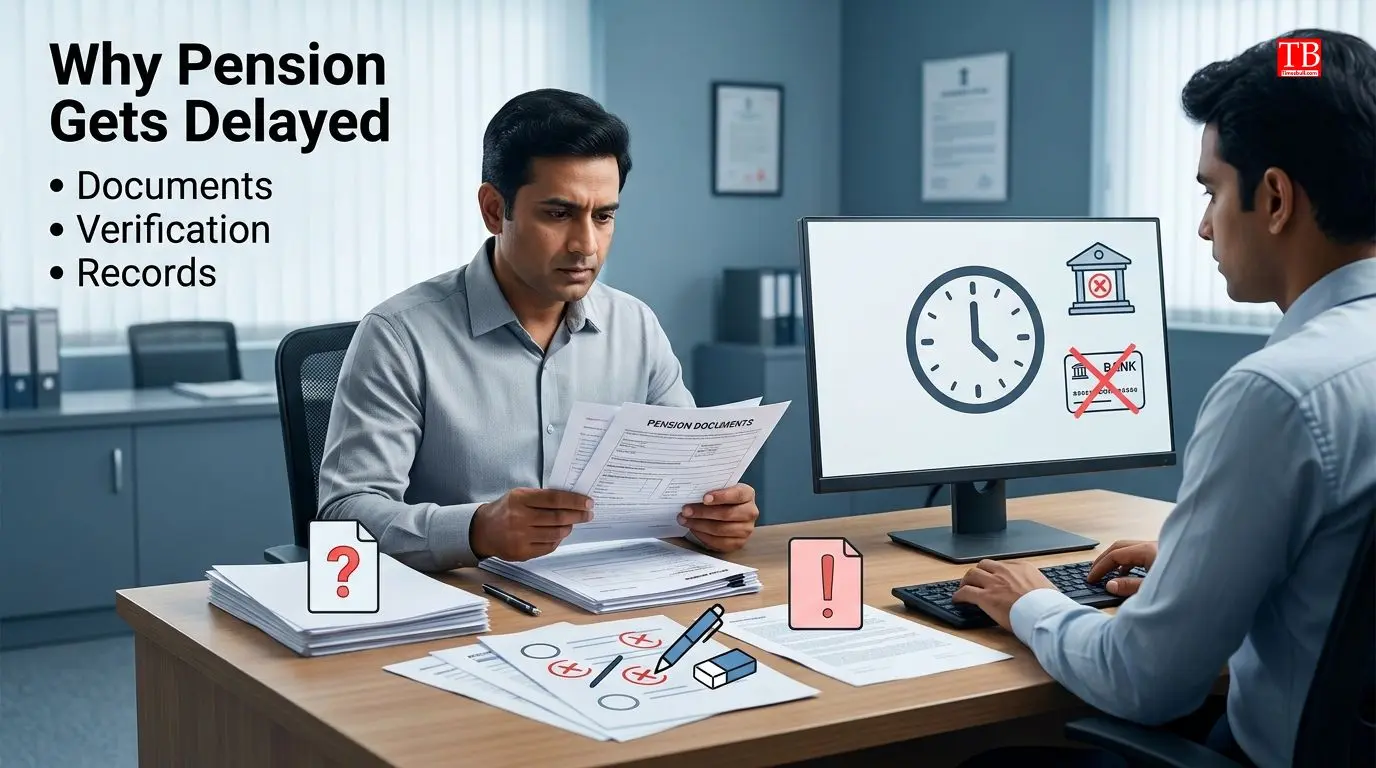
In some cases, there is a delay in getting family pension even after being eligible. There can be many reasons behind this. The most common reason is a mismatch in documents or records -
If the name, date of birth, or other details of the deceased do not match with Aadhaar, PAN, or bank account, the pension can be stopped. The second reason is that the records are not updated - If the employee had not updated his nominee or family information, the pension disbursement could be delayed.
Thirdly, not having complete information about the nominee or family is also a big reason. Fourth, there is a delay even if there is an error in the bank account, Aadhaar or any other document. Fifth, the process stops even if the claim form is incomplete. Therefore, it is very important to keep all the documents correct, complete and updated while applying for family pension.

How to apply for family pension?
The process of applying for family pension depends on the scheme under which the deceased employee was covered. Under EPS (Employees' Pension Scheme) 1995, the husband has to go to the EPFO website and fill up Form 10C or 10D (as applicable) and submit it along with all the required documents.
For this, you may have to go to the branch of EPFO, although in some cases the facility of online application is also available.
For central government employees, Form 14 (for family pension) has to be submitted to the concerned department or ministry. You also need to attach documents like death certificate, marriage certificate, Aadhaar card, copy of PPO (Pension Payment Order) and bank account details.
In both cases, it may take a few weeks to a few months for the application to be processed, so be patient and keep checking the status of your application from time to time.
Is there any tax on family pension?
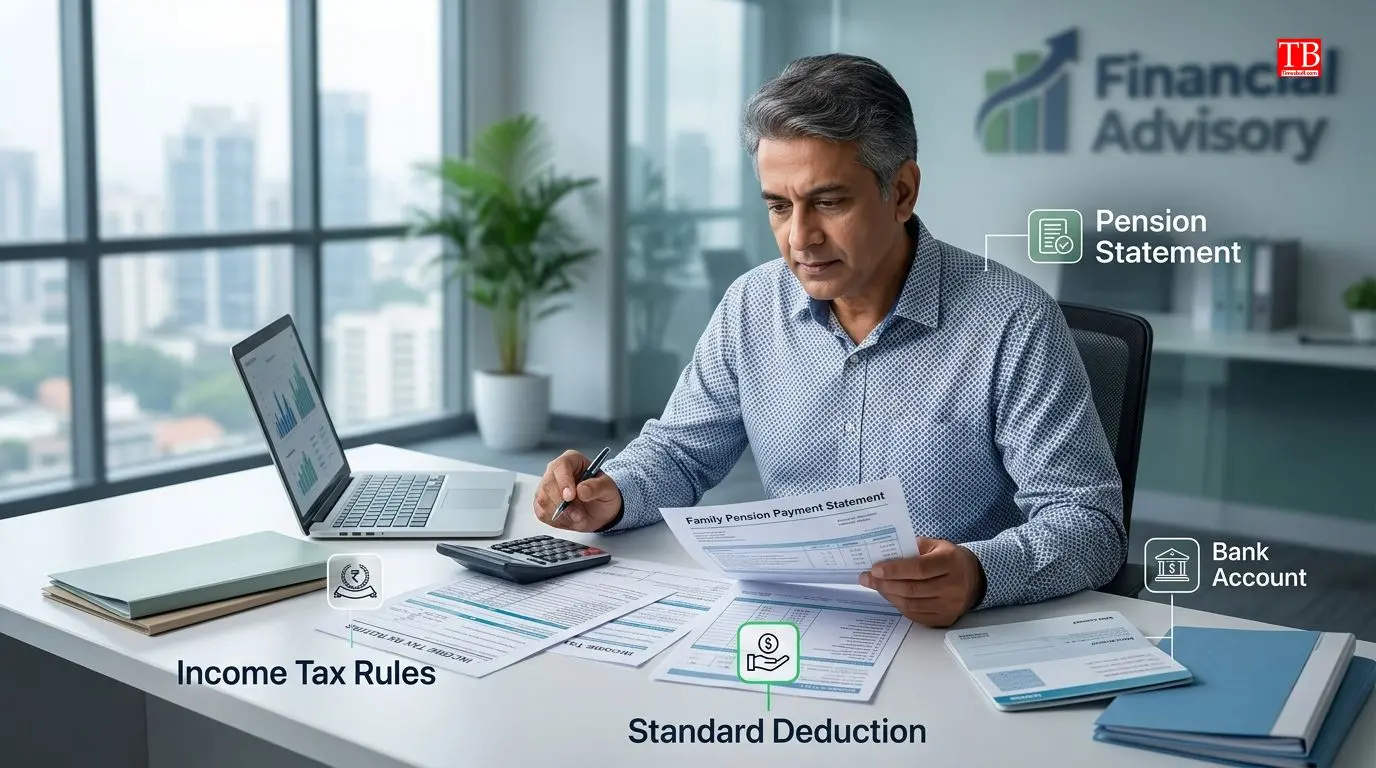
Yes, income tax rules apply to family pensions. Family pension is classified under "Income from Other Sources" and is fully taxable.
However, the pensioner (in this case the husband) can get the benefit of standard deduction, which is ₹50,000 for the financial year 2025-26. This deduction applies to the family pension and helps reduce taxable income.
Also, the husband's total income is taxed according to his tax slab. If the total income of the husband is less than ₹3 lakh (₹4 lakh for senior citizens), then he does not have to pay any tax.
However, if the family pension amount is higher, it is taxed at the prescribed rates. Therefore, it is important to take into account your tax plan when receiving a pension. For tax saving you can invest under section 80C, 80D and others.
What can a husband do if he does not receive a pension?
If a husband is unable to get a family pension despite being eligible, he can take some steps. First of all, he should contact the concerned department (EPFO or its ministry) and enquire about the status of his application.
If there is any documentary error, it should be rectified and re-submitted. If the application is rejected, he must officially ask for the reason.
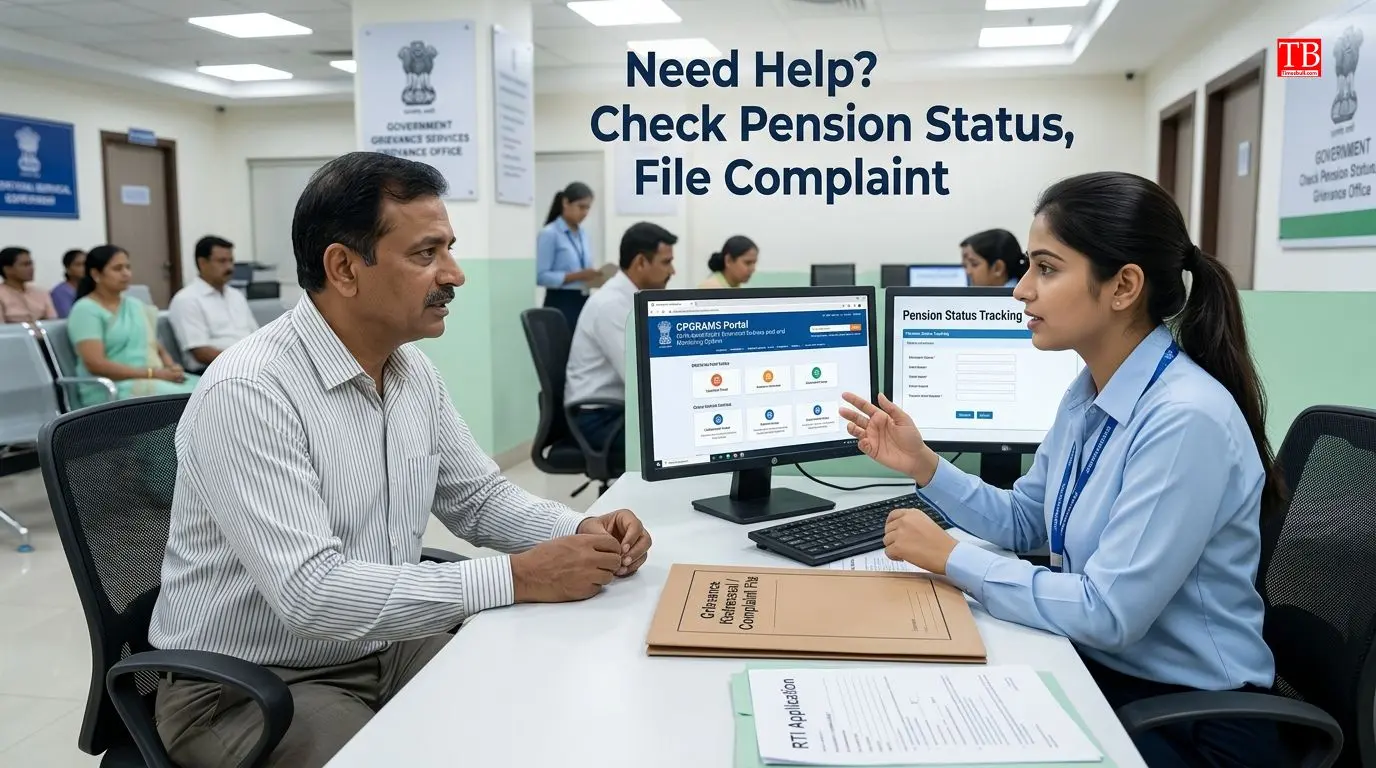
If no satisfactory answer is given by the department or the application is rejected unfairly, the husband can file a complaint on CPGRAMS (Central Public Grievance Redressal and Monitoring System).
Also, he can get information about the status of the pension application by applying under the Right to Information (RTI). As a last resort, he can take legal recourse or file a petition in the concerned Administrative Tribunal (CAT). However, in most cases, the problem can be solved by contacting the department directly.

Conclusion
Family pension is an important financial security that provides financial support to the family of a working woman after her death.
According to the rules, if a working woman was a pensioner, EPS or central government employee, then after her death her husband has the right to get a family pension, provided he fulfills all the conditions.
However, if the woman has filed serious criminal cases (divorce, dowry harassment, domestic violence) against her husband, then the pension can be given to the children in such a situation.
Correct documents, timely applications and updated records are very important to get a pension. Therefore, all employees should always keep their nominee and family information updated so that their family does not face any trouble.
If you are eligible for family pension, apply as soon as possible with all the necessary documents. Stay tuned for more such pension rules, government schemes and financial information on timesbull.com.