



Your age and retirement age
Age is one of the most important factors while deciding the contribution to PF. Employees between 20 and 30 years of age have several decades before retirement, which allows them to take full advantage of compound interest.
If you are at this age, it may be beneficial to continue with a higher EPF contribution (12% or more), as in the long run it will add significantly to your retirement corpus. On the other hand,
if you are nearing retirement and your existing fund is already sufficient, you can limit your contribution to ₹1,800.

Your retirement goals
Depositing more money in PF also depends on how much money you will need after retirement and whether you are only dependent on PF or make other investments as well.
If you do not have any other investment (like PPF, NPS, Mutual Fund) and PF is the main support for your retirement planning, then you should consider increasing the Voluntary Contribution (VPF) according to your retirement goal. At the same time, if you are also investing elsewhere, then you can reduce the PF contribution to a minimum.
It is important to note that PF fetches an interest rate of 8.25 per cent per annum, which is better than most safe investment options.
Monthly salary required
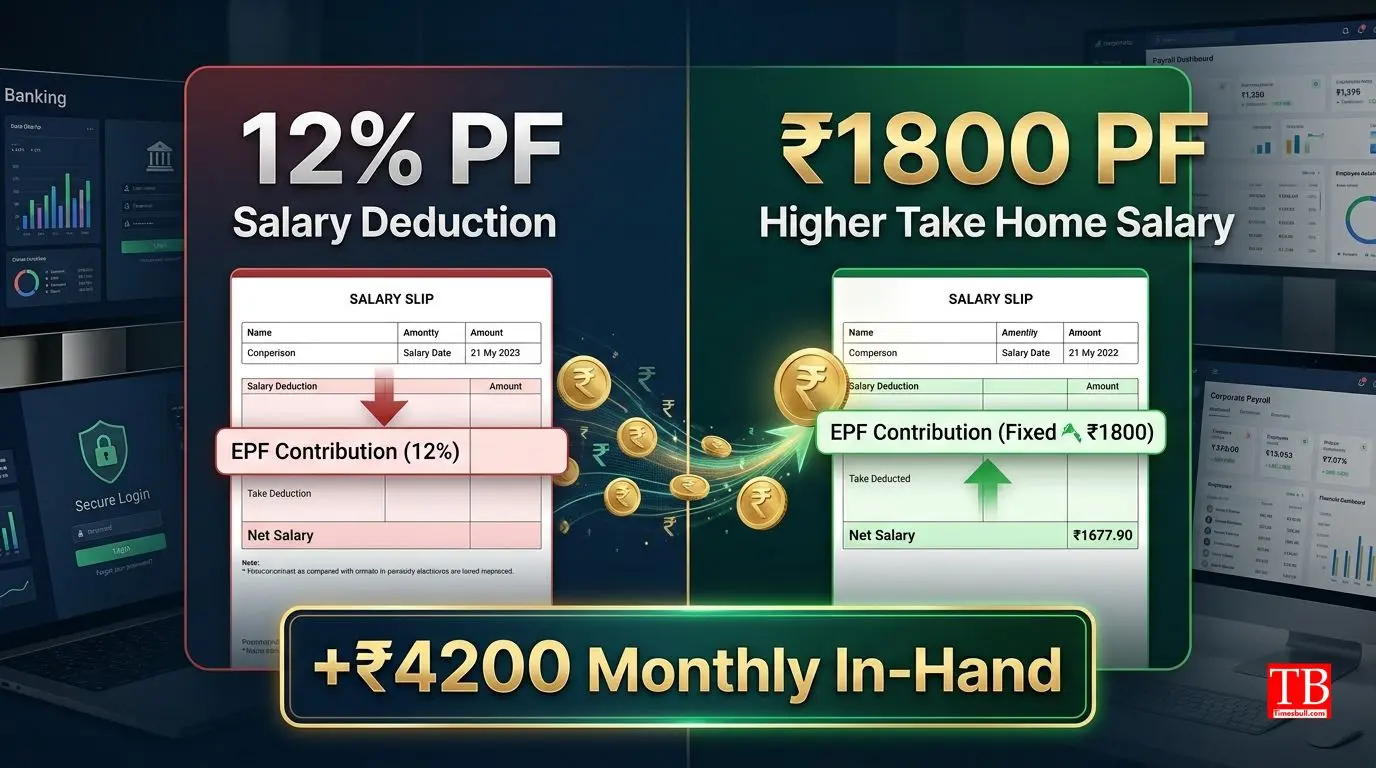
In this era of inflation and rising household expenses, many employees need more in-hand salary to meet their monthly budget. Due to heavy contribution in PF, the amount in hand is reduced, which can spoil the monthly budget.
If you are in such a situation, the new rules give you the option to increase your in-hand salary by reducing the PF contribution. Suppose, earlier you were depositing 12% i.e. 6,000 in PF on a basic salary of ₹50,000,
then the mandatory contribution under the new rules will be ₹1,800 - This can increase your in-hand salary by ₹4,200 per month.
The tax saving aspect
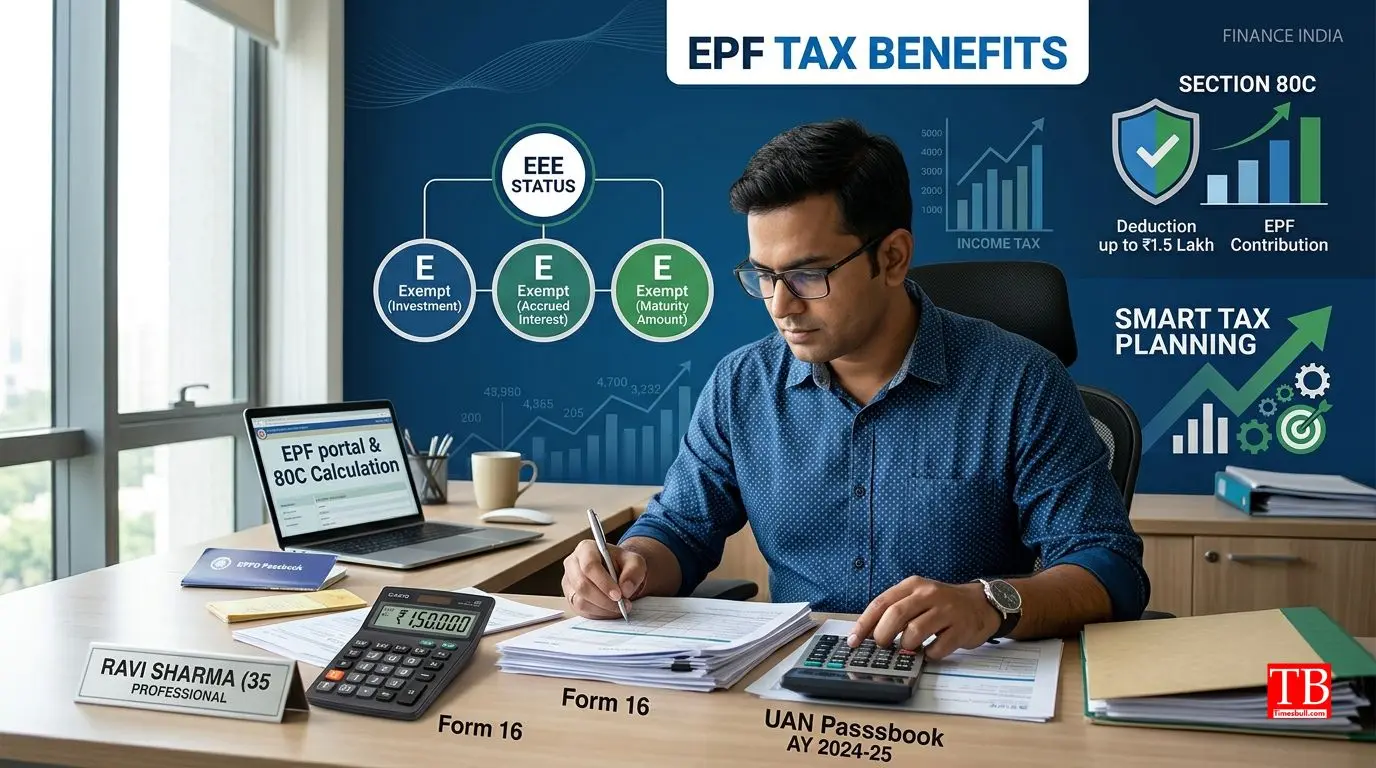
Investments in EPF offer tax benefits, so it is important to understand the tax provisions before reducing or increasing the contribution. EPF falls under the EEE (Exempt-Exempt-Exempt) category, i.e., all three deposits, interest and maturity amount are tax-exempt.
The employee's contribution up to ₹1.5 lakh in the old tax regime is tax-free under Section 80C. Under the new tax regime, this exemption is applicable only on employer contributions up to 12%.
Employees who are planning to contribute more than ₹1,800 to PF should also evaluate the tax rules along with retirement benefits so that there is no hassle later.

Conclusion
The EPF Scheme 2026 has given more flexibility to employees regarding their PF contributions. You can now increase your in-hand salary by depositing a mandatory amount of ₹1,800 or strengthen your retirement corpus through voluntary contributions.
This decision depends on your age, retirement goals, monthly financial needs, and tax planning. For young people in their 20s and 30s, higher contributions can be beneficial as they receive long-term compounding benefits. At the same time, those who are in urgent need of more in-hand salary can opt for minimum contribution.
Stay tuned to timesbull.com for the latest news, rules and guides on personal finance and EPFO.