


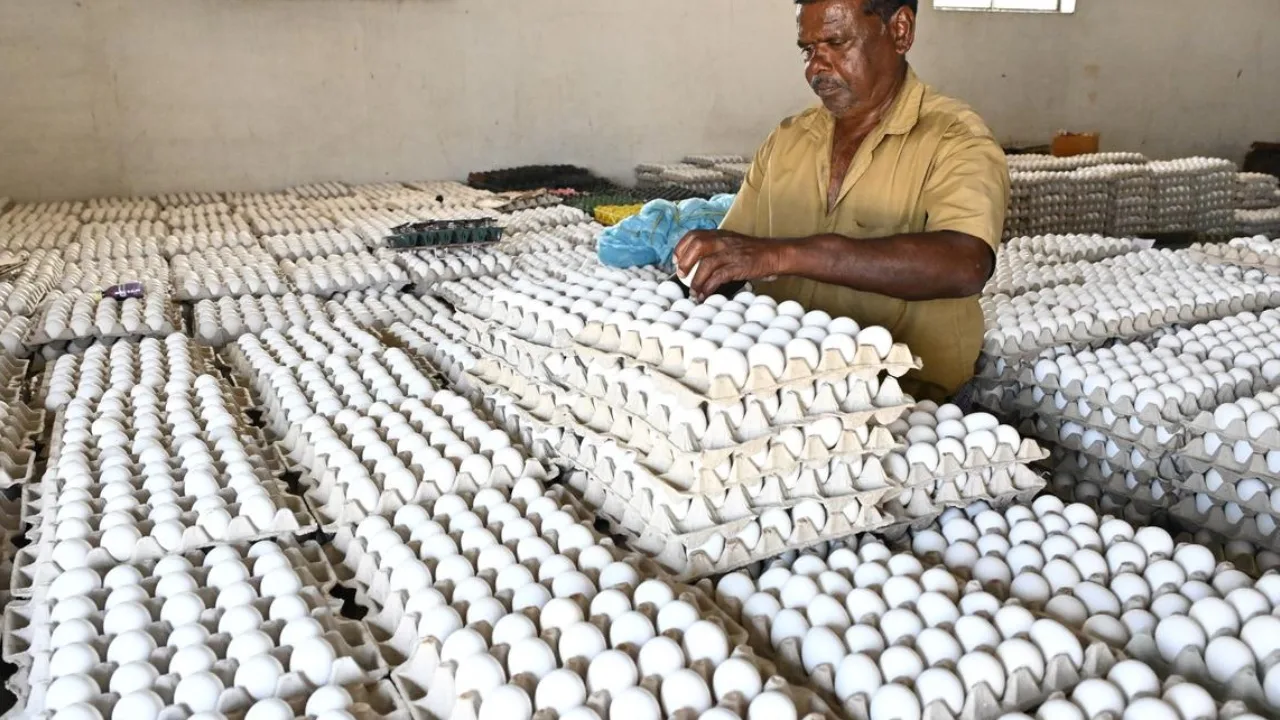
Egg Price Hike: Major shock to people. The impact of inflation is evident whether it’s a morning meal or a monthly supply. Initially, sugar prices surged, followed by a hike in onion prices. Currently, egg prices have also escalated. Over the past year, egg prices have spiked by nearly 40% nationwide. In various cities, eggs are being retailed for 9 to 10 rupees, consequently raising daily expenses for families.
What is the current price of egg?
As per the latest data from the National Egg Coordination Committee (NECC) dated September 5, 2026, an egg in Delhi costs around Rs 6, while in Kolkata, it is priced at approximately Rs 6.20, aligning closely with wholesale or recommended rates. However, customers might end up paying more at local shops, where eggs are being sold for Rs 9 to 10. The data from September 4 shows that the wholesale and NECC recommended price for eggs was Rs 4.90 per egg, with a crate of 30 eggs priced at about Rs 147, and a box containing 210 eggs priced at Rs 1,029.
What factors are causing the increase in egg prices?
Several factors contribute to the surge in egg prices. The primary factor is the escalating costs of poultry feed. Chickens require maize and other grains for their diet, and the rise in the prices of these grains directly impacts egg costs. Maize prices have notably surged, from around Rs 22 per kg to Rs 30 per kg in some markets. Feed constitutes about 65 to 70% of poultry expenses, hence any increase in feed prices directly influences egg prices. Industry statistics reveal that maize is currently priced at around Rs 26,500 per tonne, which is a significant increase from approximately Rs 14,000 per tonne three years ago.
Potential further increase in egg prices by December
It is anticipated that egg prices may further escalate in the upcoming months. Abhi Eggs has projected that input costs could surge by 15 to 20% by December. The company clarified that they are not opting for cheaper feed alternatives. Additionally, there is a growing demand for eggs while production remains low, creating a gap between supply and demand, which in turn impacts prices.