


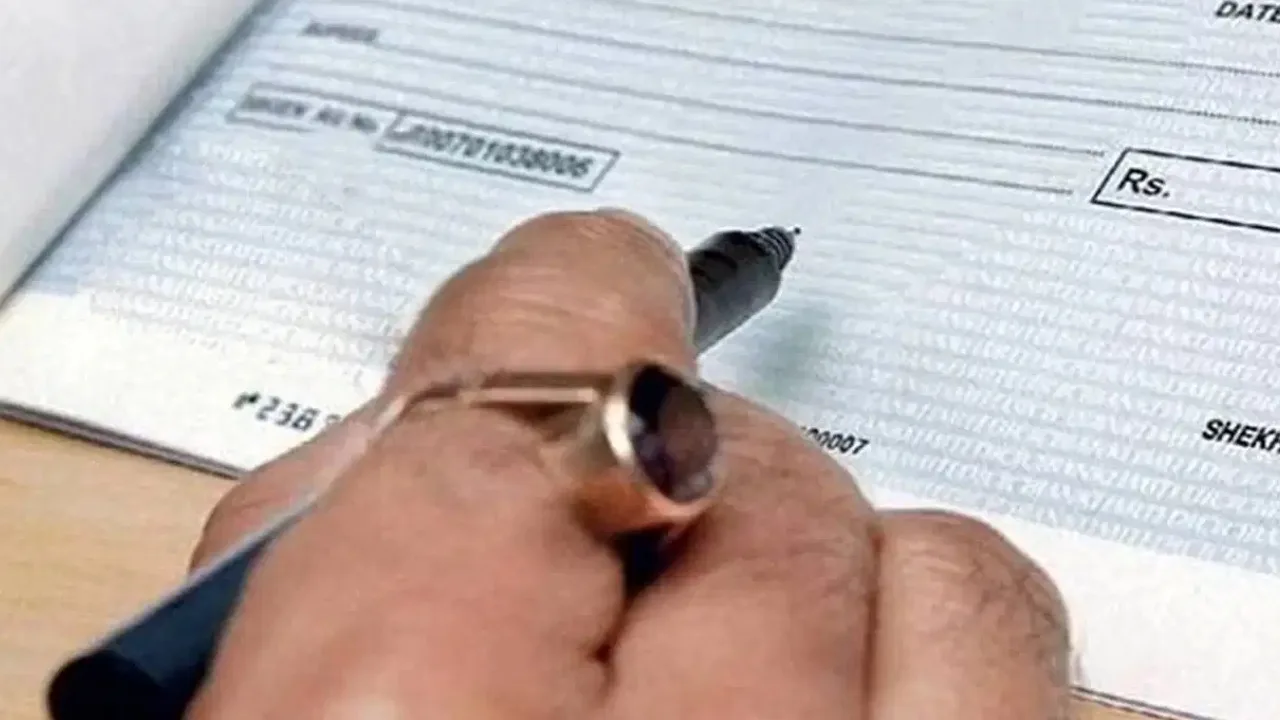
Cheque Book Rules Change: Big news for common people. With the rise of UPI, payments from Rs 10 to Rs 1 lakh can be swiftly made using UPI. However, for larger transactions, a checkbook remains essential. If you are a checkbook user, this information is crucial for you. The RBI has recently introduced alterations to checkbooks to enhance security and prevent banking fraud, necessitating the replacement of existing checkbooks.
What has been altered in the Cheque Book?
Previously, the check number and MICR code on checks in the old checkbooks were solely numerical. This has now been modified. New checkbooks now incorporate alphabets alongside these numbers. They feature unique watermarks, invisible ink visible under UV light, and micro-printing, making them highly resistant to replication with the naked eye. Additionally, these checks are fully integrated with the Reserve Bank’s ‘Positive Pay System’.
Additional Information
– The Reserve Bank of India has set a deadline of December 31 for the validity of cheques with old numbering.
– From January 1, 2027, cheques with alpha-numeric codes will be recognized for transactions.
– Many banks have commenced issuing new checkbooks following the RBI directive.
– Customers are advised by some banks to obtain checkbooks with alpha-numeric codes before December 31 to ensure compliance.
– After December 31, 2026, checks with amounts exceeding Rs 50,000 from old checkbooks will not be accepted.
To make banking services more secure and transparent, several major banks, including the Bank of India, have issued new guidelines. Payments exceeding Rs 50,000 have been tightened. Therefore, after December 31, 2026, checks for Rs 50,000 or more that do not contain an alpha-numeric code will not be accepted. Banks are advising their customers to apply for new checkbooks via SMS and email to avoid disruptions in transactions later.
The RBI’s primary focus is making the check clearing system digital and paperless. Banks no longer need to physically send checks from one location to another. The truncation system sends digital copies of checks and codes to the clearing house and the relevant bank branch. This allows checks that previously took two to three days to clear will now be cleared within a few hours.