
Why People Write ‘Only’ with a Slash (/) After the Amount on Cheques? Know the Exact Reason
In today’s digital age, even though online transactions have become more common, the importance of cheques has not reduced. Cheques are still widely used in both business and personal transactions. You too must have given or received a cheque at some point. While filling a

 Join Us
 Add as a preferred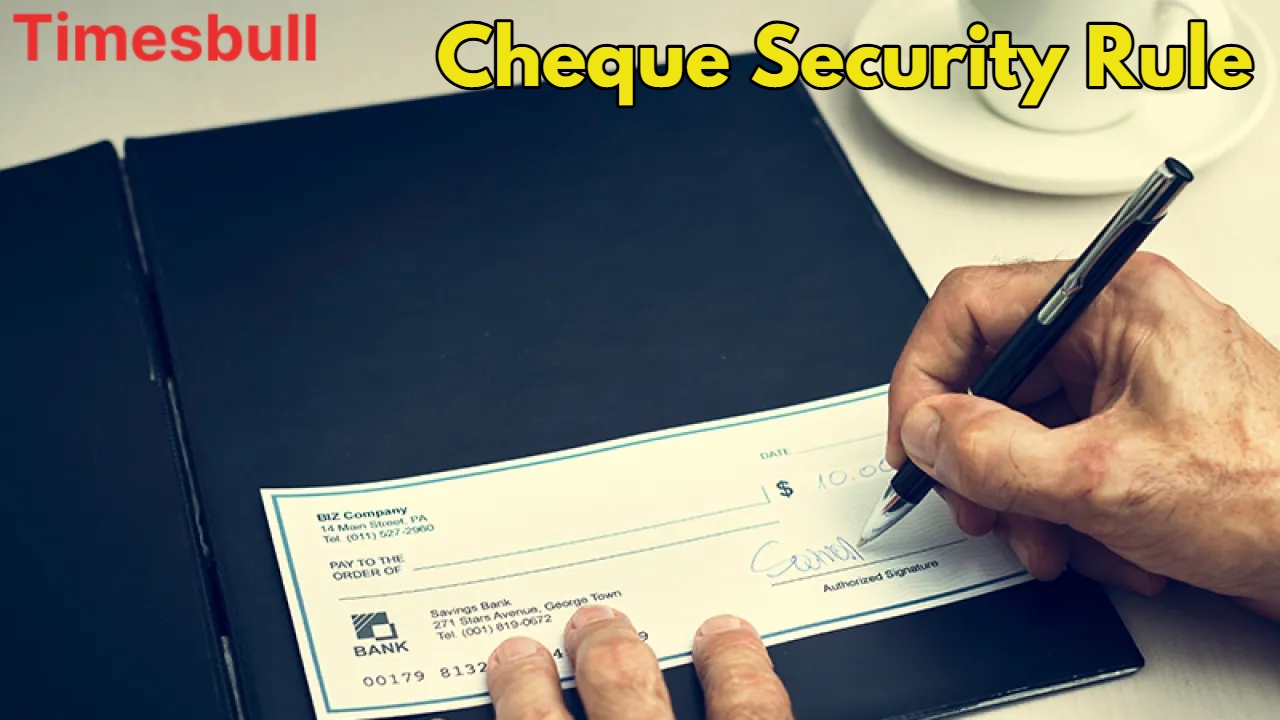
Cheque Security Rule (2)
In today’s digital age, even though online transactions have become more common, the importance of cheques has not reduced. Cheques are still widely used in both business and personal transactions. You too must have given or received a cheque at some point.
While filling a cheque, we keep many things in mind, such as the name, account number, and amount. But there is one thing that almost everyone does — after writing the amount, we write ‘Only’ and then draw a diagonal line (/-). Have you ever wondered why this is done?
Why Write ‘Only’ on a Cheque?
Writing ‘Only’ after the amount on a cheque is not a bank rule. Even if you do not write it, the cheque will be accepted. People write it for safety. When you write ‘Only’ after the amount in words, it means the amount ends there and no one can add more words.
For example, if you write “Twenty Thousand” and leave space, someone can add “Nine Hundred” and make it “Twenty Thousand Nine Hundred.” But if you write “Twenty Thousand Only,” nothing can be added. The same is true for numbers. If you write 20,000/-, the slant (/-) stops people from adding extra digits. If you write 20,000 without the slant, someone can add another 0 to make it 2,00,000.
Other Ways to Keep a Cheque Safe
You can make a cheque safer by drawing two lines on the top left corner. This makes it an ‘Account Payee’ cheque. The money will go only to the account of the person named on the cheque. You can also write ‘A/C Payee’ between the lines for extra safety.
If someone else takes your bearer cheque to the bank, the bank will ask them to sign on the back. This is to keep a record of who took the money. Writing ‘Only’ or using the slant is not compulsory, but it is a good habit that can protect your money.
Avijit
Next Article
UAN Activate: पीएफ कर्मचारी ना हो परेशान, कैसे एक्टिवेट हो जाएगा UAN, जानिए
पीएफ कर्मचारियों (pf employees) को अपना फंड निकालना हो तो उसमें सबसे मुख्य चीज यूएएन नंबर होता है. इसके नहीं होने से आपका फंड लटक जाता है, जिससे दिक्कतों का सामना करना पड़ता है. कई बार कर्मचारी यूएएन नंबर भूल जाते हैं, जिससे परेशानी होती है.


UAN Active Update: पीएफ कर्मचारियों (pf employees) को अपना फंड निकालना हो तो उसमें सबसे मुख्य चीज यूएएन नंबर होता है. इसके नहीं होने से आपका फंड लटक जाता है, जिससे दिक्कतों का सामना करना पड़ता है. कई बार कर्मचारी यूएएन नंबर भूल जाते हैं, जिससे परेशानी होती है। अगर आपका यूएएन नंबर एक्टिव नहीं हो रहा है तो चिंता न करें.
डिजिटलाइजेशन के दौर में आसानी से यूएएन नंबर को एक्टिव कर सकते हैं. इसे एक्टिव कराने के लिए परेशान होने की जरूरत नहीं है. यूएएन अब ईपीएफओ की आधिकारिक वेबसाइट नहीं, बल्कि उमंग ऐप से भी एक्टिवेट करा सकते हैं. यह एक सरल तरीका है. इससे जुड़ी जरूरी बातें नीचे आर्टिकल में समझ सकते हैं.
Write a Comment