


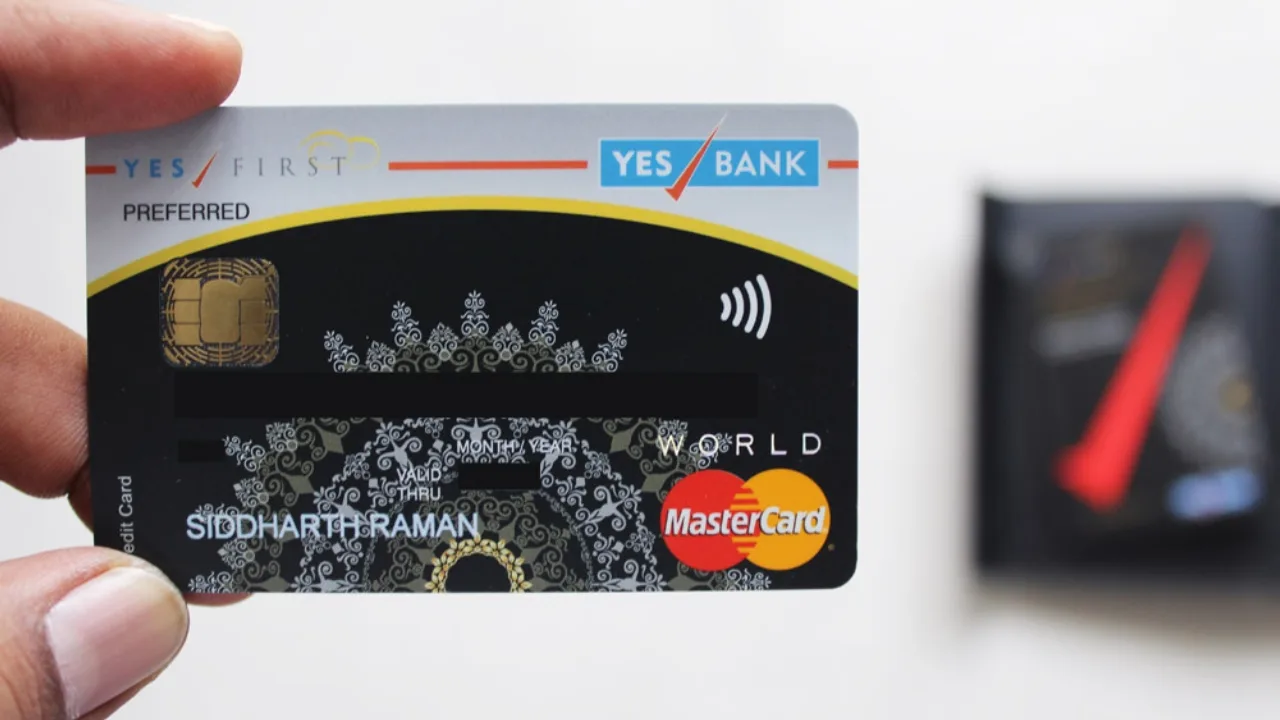
New Delhi: If you are a Yes Bank account holder, this news is going to prove extremely useful for you. Yes Bank has implemented several major changes to its regulations, which will come into effect starting the first day of the new financial year. These changes primarily pertain to utility bill payments, transportation expenses, and digital wallet loading.
The bank has not altered the fee rates. As before, a charge of 1%—plus applicable GST—will be levied. However, a decision has been taken to increase the spending limits across several categories. This means that customers will now be able to spend more than before any charges are applied.

What is the New Limit for Utility Bills?
A new limit will be enforced regarding utility bill payments—specifically for bills such as electricity, water, and gas. Consequently, if the total spending within a single billing cycle exceeds the prescribed limit, a charge of 1% plus GST will be applied to the excess amount.
For standard Yes Bank credit cards, no charges will be levied on spending up to ₹100,000; for premium cards (such as Marquee and Reserve), the limit is ₹50,000; and for other Yes Bank credit cards, the limit is ₹2,500. If spending exceeds these respective limits, a charge will be applied to the excess amount.
Changes Regarding Tolls and Bridges
Additionally, transactions related to tolls and bridges will now appear on credit card statements under the category of “Transportation Fees.” Furthermore, if monthly spending in this category exceeds the prescribed limit, a charge of 1% plus GST will be applicable. The new limits for this category are set at ₹75,000 for premium cards and ₹50,000 for other cards. Notably, the maximum charge applicable to any single transaction remains capped at ₹5,000.
Will Loading Digital Wallets Incur a Charge?
Finally, specific regulations have also been established for instances where a customer uses their credit card to load funds into a third-party digital wallet. Under this policy, there are no charges on transactions up to ₹2,000; however, for transactions exceeding ₹2,000, a 1% charge plus GST will be levied. This charge will also be capped at a maximum of ₹5,000 per transaction.
What This Means for Customers
These changes could offer some benefits to credit card users. Since the limits for utility and transportation expenses have now been increased, customers will be able to make larger payments than before without incurring additional charges. However, charges will apply—just as they did previously—if the prescribed limits are exceeded; therefore, it remains essential for customers to keep a close watch on their spending while using their cards.