
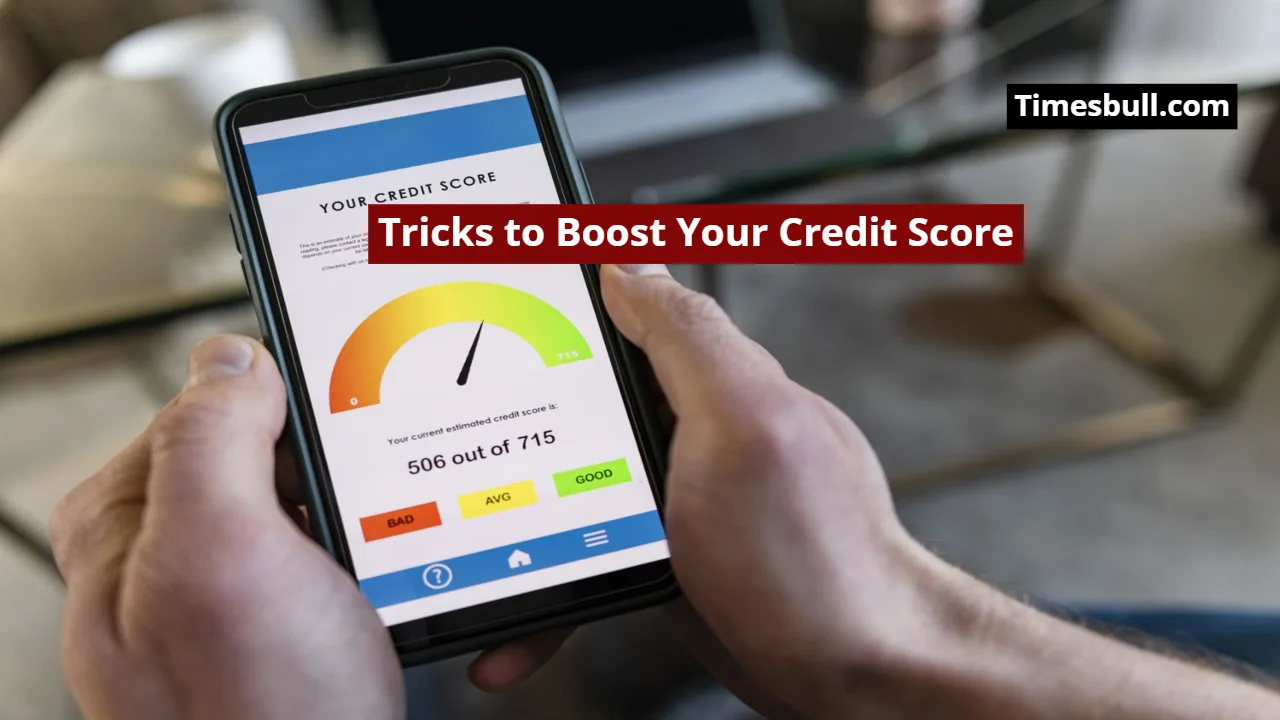
If your loan applications are repeatedly being rejected or banks are offering you EMIs at high interest rates, the biggest reason could be a weak credit score. The good news is that a credit score is not permanent; it can be significantly improved with the right habits and a little smart planning. In this report, we are telling you about effective methods that can help you increase your CIBIL score by 100 points or more within 6 to 8 months.
Read More- Watch: MPs debate over India vs South Africa match cancellation in Lucknow
What is a credit score, and why is it important?
A credit score is a number between 300 and 900 that reflects how responsibly you manage your debts and bills. Banks and financial institutions use this score to decide whether or not to grant you a loan. Not only that, this score also determines whether you will get a loan at a low or high interest rate. In simple terms, a credit score is a reflection of your financial credibility.
What is considered a good credit score?
Generally, a score of 750 or above is considered excellent. A score between 650 and 749 falls into the good category, while a score below 600 increases the difficulties in obtaining a loan. A low score doesn’t mean you’re permanently out of the financial system; it simply indicates that improvement is needed.
The habit of paying EMIs and credit card bills on time
The largest component of your credit score is your payment history. If you miss even one EMI or credit card bill payment, it directly impacts your score. In many cases, just one late payment can drop your score by 40 to 50 points. It’s best to enable auto-debit or set reminders for each bill.
Balanced use of credit limit
If you have a high credit limit but use a large portion of it every month, it is not considered a good sign for your score. Try not to use more than 30 percent of your total credit limit. If needed, you can request the bank to increase your credit limit, which automatically lowers your utilization ratio.
Why you shouldn’t close old credit cards
A significant part of your credit score depends on the length of your credit history. If you have a card that is several years old, closing it can negatively impact your score. A better approach is to make a small transaction with that card every month, such as paying your mobile bill or OTT subscription.
Applying for loans or cards frequently is harmful
Every time you apply for a loan or credit card, the bank checks your credit report, which is called a hard inquiry. Too many hard inquiries can gradually lower your score. Therefore, try not to apply for more than two loans or cards within six months.
The right balance of credit mix
If your credit profile consists only of credit cards or only personal loans, it is not considered ideal for your score. A balanced mix of home loans, auto loans, and credit cards strengthens your profile and can significantly improve your score.
Safe options for those with low scores
For people with scores between 500 and 600, an FD-backed secured credit card can be a good starting point. With this, you get a card against a fixed deposit, and making timely payments can show a clear improvement in your score within 6 to 12 months.
Read More- UPSC ESE Final Result 2025 Out – Check Branch-wise Topper List & PDF Link
Why is regular checking of your credit report necessary
Sometimes there are errors in credit reports that affect your score. Check your CIBIL report at least once a year. If you find any incorrect entries, file a dispute immediately. Such errors are usually corrected within 45 to 60 days.
Latest News
- Cheapest Available 5G Smartphones in India Under 10000

- UPSC Prelims Answer Key 2026 – How to Download UPSC Prelims Answer Key at upsc.gov.in

- 8th Pay Commission: एनपीएस और पुरानी पेंशन में कौन सी बेहतर, जानिए बड़ा अपडेट

- Xiaomi 17T Launching With Leica 5x Zoom and Huge 6,500mAh Battery Under ₹60,000

- NEET UG 2026 – Haryana & Bihar Announce Free Bus Service for Candidates on June 20-21

- PM Kisan 23rd Installment: Farmers to get Rs 2000 in June? Know Here

- Best Premium Smartwatches Under ₹10,000: Upgrade to Luxury Metallic Builds, AMOLED Screens, and In-Built GPS

- Maruti Dzire CNG Continues Dominance – Fuel Efficient Sedan Wins Indian Families

- Vivo Y600 Turbo Set to Debut: Featuring a 165Hz Display, Dimensity 8500, and a Massive 9,020mAh Battery

- HMD Vibe 2 5G Debuts in India with 6000mAh Battery & 50MP Camera: Get It For Just ₹9,499 With Launch Offers