
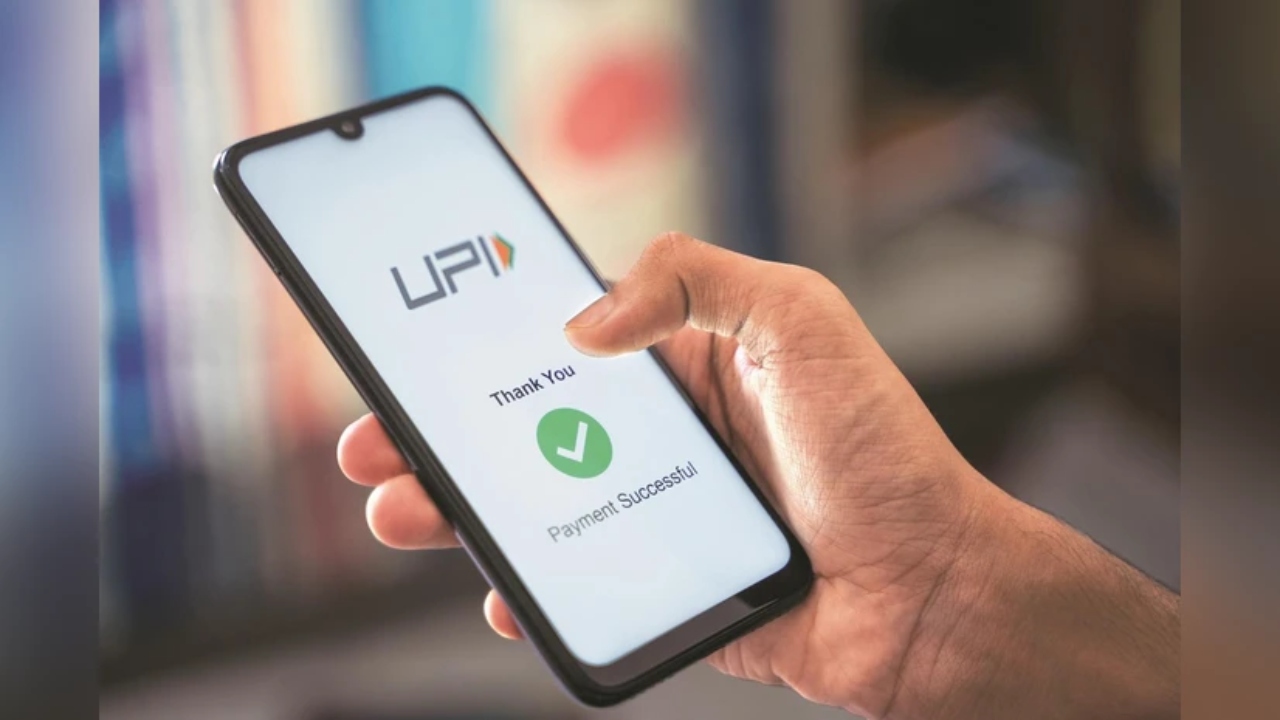
UPI: UPI has transformed everyday payments into a snap, but this ease often opens the door to fraud. With screen-sharing apps, fake refund links, look-alike customer care numbers, and hidden QR codes, even the smallest mistake can lead to account debits. Therefore, it’s crucial to establish firm digital rules within the family to ensure no one accidentally sends money.
Apply simple in-house rules
First, set clear rules at home… Don’t immediately accept any ‘collect’ requests, don’t share your OTP or UPI PIN, and don’t click on any unknown links. Especially inform children and the elderly, who are less digitally inclined, that banks, NPCI, or UPI apps will never ask for a PIN/OTP. Furthermore, assign a single person to handle large transactions, and encourage other members to inquire.
Reduce risk
One of the main risks associated with UPI is that most people link their primary savings account. The safest approach is to link UPI to an account with a small balance or set transaction limits in the bank app. Many banks and apps have in-app limits and transaction frequency options; enabling these is a precaution.
Pay attention to the device and QR‑safety
Keep your phone locked with a strong passcode or biometrics, and enable app-level lock (PIN/fingerprint) on UPI apps. When scanning a QR code, carefully check the code. If it appears rough or altered, ask for a new QR code. Never make payments over public Wi-Fi or install unknown apps.
Learn about prevention and immediate action
If you notice any suspicious transactions, immediately call your bank to have your account blocked and file a complaint with the National Cyber Crime Portal or the police. The sooner you report, the greater the chance of minimizing losses. Keep transaction alerts and bank SMS notifications turned on to avoid delays.