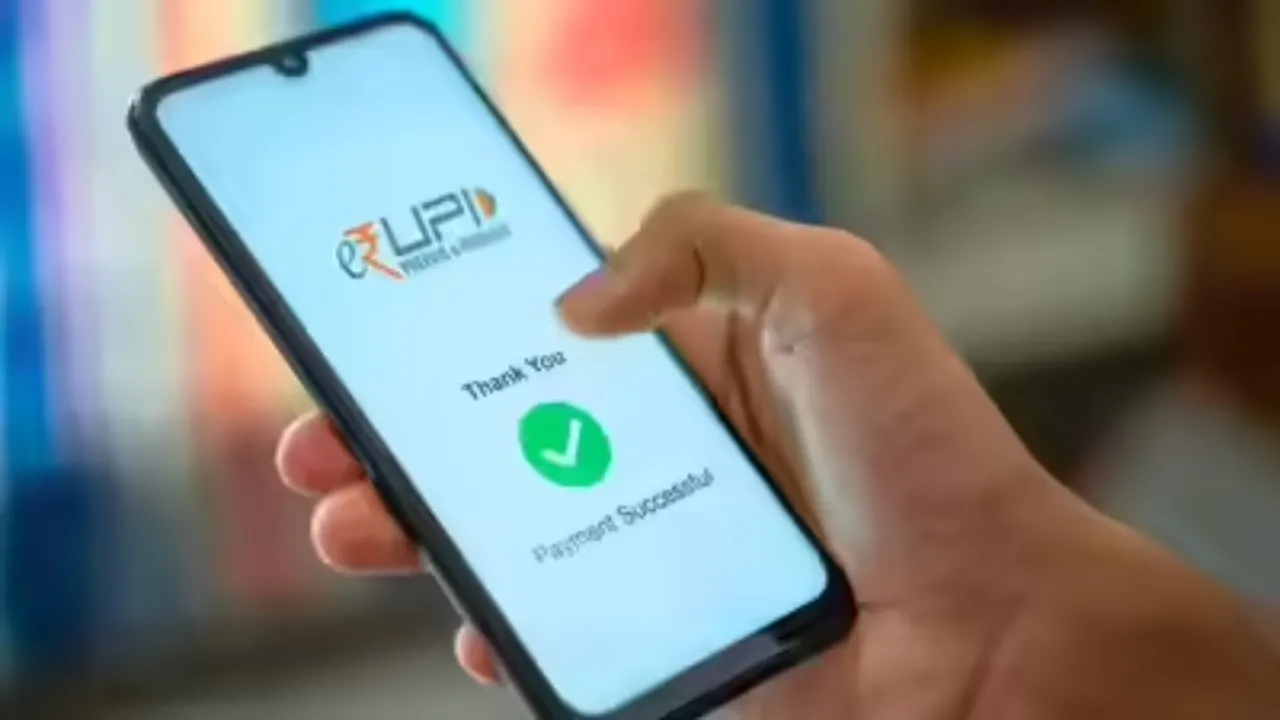
UPI, Credit card: Business Idea: Start These 4 Businesses With Low Investment, Then Earn Big Every Month” days, digital payments are a big part of our everyday lives. Buying things, especially with UPI and credit cards, has become super simple. But sometimes, due to tech glitches, network issues, or wrong info, your payment might not go through, which can be a hassle and might even lead to losing some money. In these cases, it’s important to stay calm and take the right steps.
Reasons for UPI Payment failure
First off, let’s look at why UPI payments might fail. The usual culprits are slow or down network connections, problems with the bank’s server, outdated app versions, incorrect account info, or hitting the transaction limit. Hitting the payment button too many times can also create issues. For credit card transactions, reasons for failure can include low credit limits, wrong card numbers, expired cards, failed OTPs, and the bank’s fraud detection system. Sometimes, banks might block payments for security reasons.
If your UPI payment doesn’t go through, start by checking the transaction status in your bank account and UPI app. If the money has been taken out, it usually gets refunded automatically within 24 to 48 hours. Then, make a note of the transaction ID and file a complaint with the app or bank. If you don’t see a resolution in 3 to 5 days, escalate it to the bank’s grievance redressal cell.
If a credit card payment fails, your first step should be to reach out to the merchant to sort it out. If that doesn’t work, file a complaint with your bank or ask for a chargeback. In this case, make sure to keep all your screenshots and receipts for future reference.
What to do in case of a failed transaction?
To prevent payment failures in the future, take some precautions. Keep a stable internet connection, ensure your UPI and apps are up to date, double-check all payment details, and avoid hitting keys repeatedly. Never share your OTP or UPI PIN with anyone. If the bank doesn’t fix the issue within 30 days, you can file a complaint with the Banking Ombudsman.