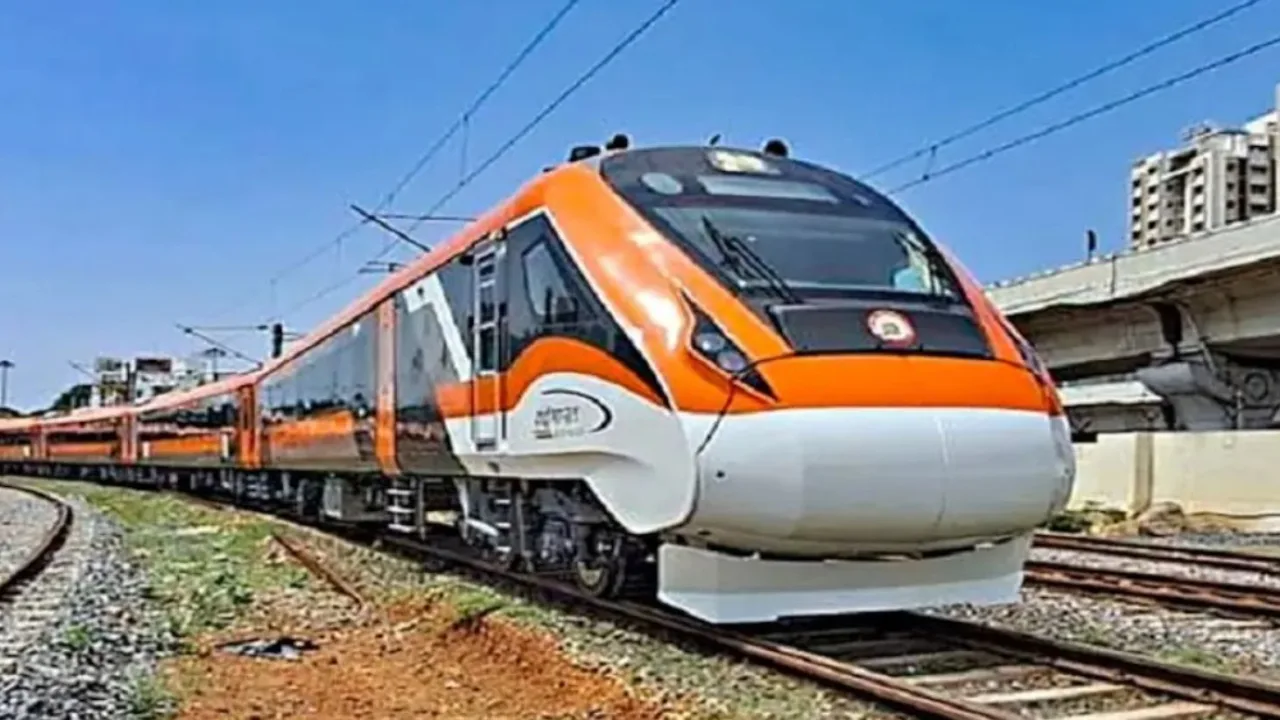
Train Route Changes: If you have plans to travel by train from Delhi to Kanpur or Lucknow in the near future, this information is crucial for you. The Northern Railway has initiated a significant 42-day traffic and power block from April 2nd to May 13th. This action has modified the routes of numerous trains, including premium services like Vande Bharat and Shatabdi, and has led to the cancellation of several others. As a result, travelers may encounter challenges for the next month and a half.
Railway officials have stated that extensive repair and enhancement work is currently taking place on the Kanpur-Kanpur Bridge Left Bank section. On Bridge No. 110, steel troughs will be replaced with H-beam sleepers, which will improve the track’s strength and safety. This work will be conducted in daily 8-hour intervals.
Which trains will be impacted?
Due to this major block, numerous MEMU and passenger trains operating between Kanpur, Lucknow, Jhansi, Rae Bareli, Sitapur, and Kasganj will be canceled for the entire duration. Furthermore, several mail, express, and superfast trains have been rescheduled or short-terminated.
Routes of Vande Bharat and Shatabdi altered
Passengers are particularly concerned about the rerouting of significant trains such as the New Delhi-Lucknow Shatabdi Express and the Anand Vihar-Ayodhya Cantt Vande Bharat Express. These trains will now travel via Moradabad, bypassing several key stations, including Kanpur.
Long-distance trains also impacted
Many trains heading towards eastern Uttar Pradesh, Bihar, and the Northeast will also be redirected via alternative routes. Consequently, these trains will not stop at numerous stations, and passengers may need to adjust their travel plans. The Railways recommends that travelers verify their train status before embarking on their journey. Traveling without prior information can lead to complications due to changing schedules and route alterations.
Why is this work necessary?
While passengers will experience some inconvenience during this time, this work is essential for strengthening the railway infrastructure and ensuring safe travel in the future.
Latest News
- Weather warning – Heavy Rain, thunderstorms, lightning Alerts for 13 States Over Next 3 Days

- UP TGT Exam City Slip 2026 Released – Download at upessc.up.gov.in, Exam June 3-4

- ATM Alert: एटीएम में फंस जाए डेबिट कार्ड तो घबराएं नहीं, फटाफट यह काम करने से होगा समाधान

- Post Office Scheme – 7.5% Interest Rate, ₹5 Lakh Becomes ₹7,24,974 in 5 Years, Start with Just ₹1,000

- Best AI Video Editing Laptops Under 60,000 INR: Top Picks Her

- Best CNG Cars: पेट्रोल के बढ़ते दाम के बीच ये सीएनजी गाड़ी खरीदकर खर्च करें कम, माइलेज भी जबरदस्त

- Samsung Stable One UI 8.5 Update to Galaxy Tab S10 FE and Tab S10 FE+

- बुढ़ापे की लाठी बनेंगी ये तीन स्कीम्स, निवेश से पहले जानिए कितना मिल रहा ब्याज

- OnePlus Nord CE 6 vs Samsung Galaxy A57: Which Mid-Range 5G Phone Wins?

- Lenovo LOQ 15 Gen 11 Review: Best Budget Gaming Laptop?