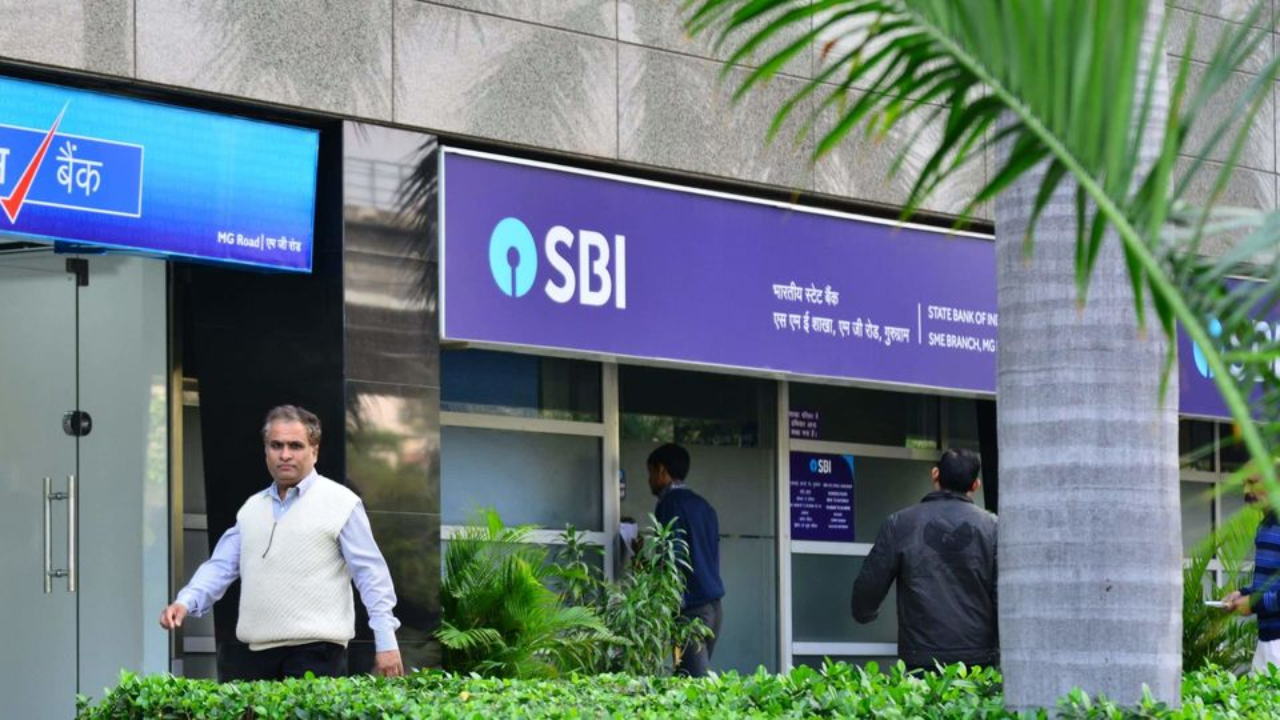
The country’s largest public sector bank, State Bank of India (sbi), has provided significant relief to millions of its customers. SBI reviews its MCLR (Marginal Cost of Funds Based Lending Rate) rates every month, and this time the bank has not made any changes to these rates. This directly and positively means that there will be no increase in the monthly installment (EMI) of your home loan and car loan.
Since your loan rates are linked to the MCLR, its stability is crucial for both new and existing borrowers. This Google Search-friendly content will provide you with a comprehensive understanding of SBI’s latest rates, processing fees, and the impact on EMIs.
SBI’s MCLR Rates
The MCLR is the minimum interest rate at which a bank can lend to its customers. SBI has kept its MCLR rates unchanged, effective November 15, 2025, indicating stability in interest rates.
Overnight and one-month MCLR: The rate remains unchanged at 7.90%.
Three-month MCLR: The rate also remains unchanged at 8.30%.
Six-month MCLR: The rate remains unchanged at 8.65%.
One-year MCLR: The rate remains unchanged at 8.75%, which is the benchmark rate for most home loans.
Two- and three-year MCLR: These rates remain unchanged at 8.80% and 8.8%, respectively.
The biggest benefit of these rates remaining unchanged will be for customers whose reset cycle is yet to come. Your EMI will only increase or decrease if the MCLR changes and your loan is due for reset.
Processing Fee on Home Loans
State Bank of India charges a processing fee on its home loans, which is 0.35% of your total loan amount. GST is added separately. However, to provide relief to customers, SBI has set a cap on this fee. This means that the processing fee can be a minimum of ₹2,000 and a maximum of ₹10,000, and cannot exceed this limit. This fee is charged for processing the loan application, document verification, and verification. This cap helps customers avoid paying excessive fees even on large loan amounts.
Importance of CIBIL Score
A CIBIL score is crucial for securing the lowest interest rate from a bank. CIBIL, or another credit agency (such as Experian, Equifax, Highmark, etc.) that is RBI-accredited, generates your credit score based on your past loans, credit card usage, and payment history. This score indicates how reliable a borrower you are. The better your score, the lower the interest rate banks are willing to offer you. Having an excellent CIBIL score is the first step towards lower EMIs and easier loan approval.