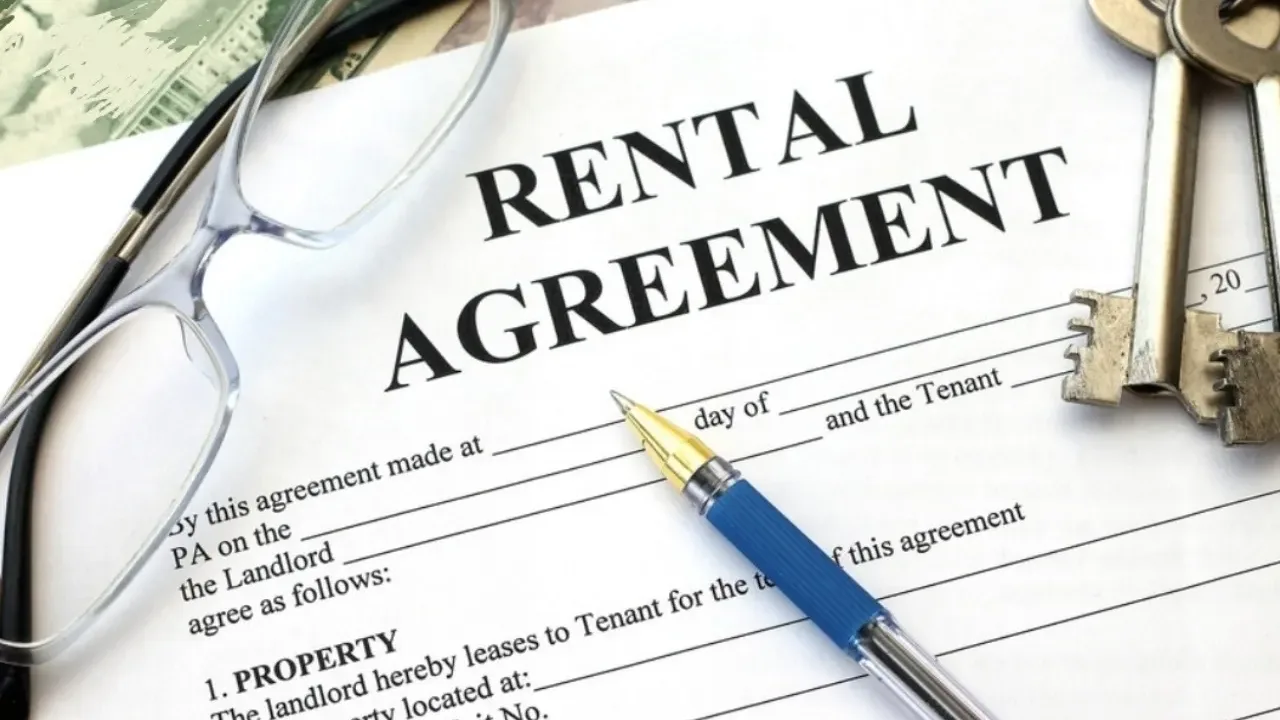
Rent Agreement: The rental market is vast, and in cities, agreeing with the landlord and the tenant is standard practice. Whether you are in a city for studies or a job, you likely rent accommodation. Renting a home requires the creation of a rent agreement.
This document includes details such as the names and addresses of both parties, the rent amount, the rental tenure, and other terms and conditions. Rent agreements are typically drawn up for a period of 11 months. But have you ever wondered why they are made for exactly 11 months? You can learn the key details regarding this in the article below.

Find out why rent agreements are made for 11 months
Do you know the real reason behind this? It stems from the complexities of Indian law and a strategic approach to avoid taxes and procedural hassles. The rules under the Registration Act are primarily responsible for this practice. The foremost reason for this 11-month cycle is to avoid registration fees and stamp duty.
According to Indian law, if a rent agreement is created for a period of 12 months or longer, it becomes legally mandatory to register it at the Sub-Registrar’s office. Registering a document entails paying substantial stamp duty and registration charges, which are determined based on the rental value and the duration of the lease.
To avoid these expenses and the tedious process of making multiple visits to government offices, people strategically limit the agreement duration to 11 months instead of 12. Since this period is less than a year, there is no legal obligation to register the document; getting it notarised suffices.
Rent agreements help prevent disputes.
Another significant reason is the protection of the landlord’s rights and the avoidance of disputes with the tenant. Rent Control Acts are in force in many states across India. These laws are designed to protect the interests of tenants, but they can often become a source of trouble for landlords.
If a rent agreement is for a period of one year or longer, the tenant acquires various legal rights over the property. Consequently, should a dispute arise in the future, getting the tenant to vacate the premises becomes an extremely difficult and protracted legal process for the landlord. An 11-month agreement, however, places the landlord in a stronger position; once the term expires, they can ask the tenant to vacate the property without facing any legal hurdles.