
RBI New Rule – Get ₹25,000 in Case of Online Fraud – Know Details
RBI Digital Fraud Rule: In today's digital age, every aspect of our lives has gone online. Shopping, bill payments, banking, investments, and money transfers—everything is now done through mobile phones or computers. This convenience is certainly beneficial, but it has also led to a rapid

 Join Us
 Add as a preferred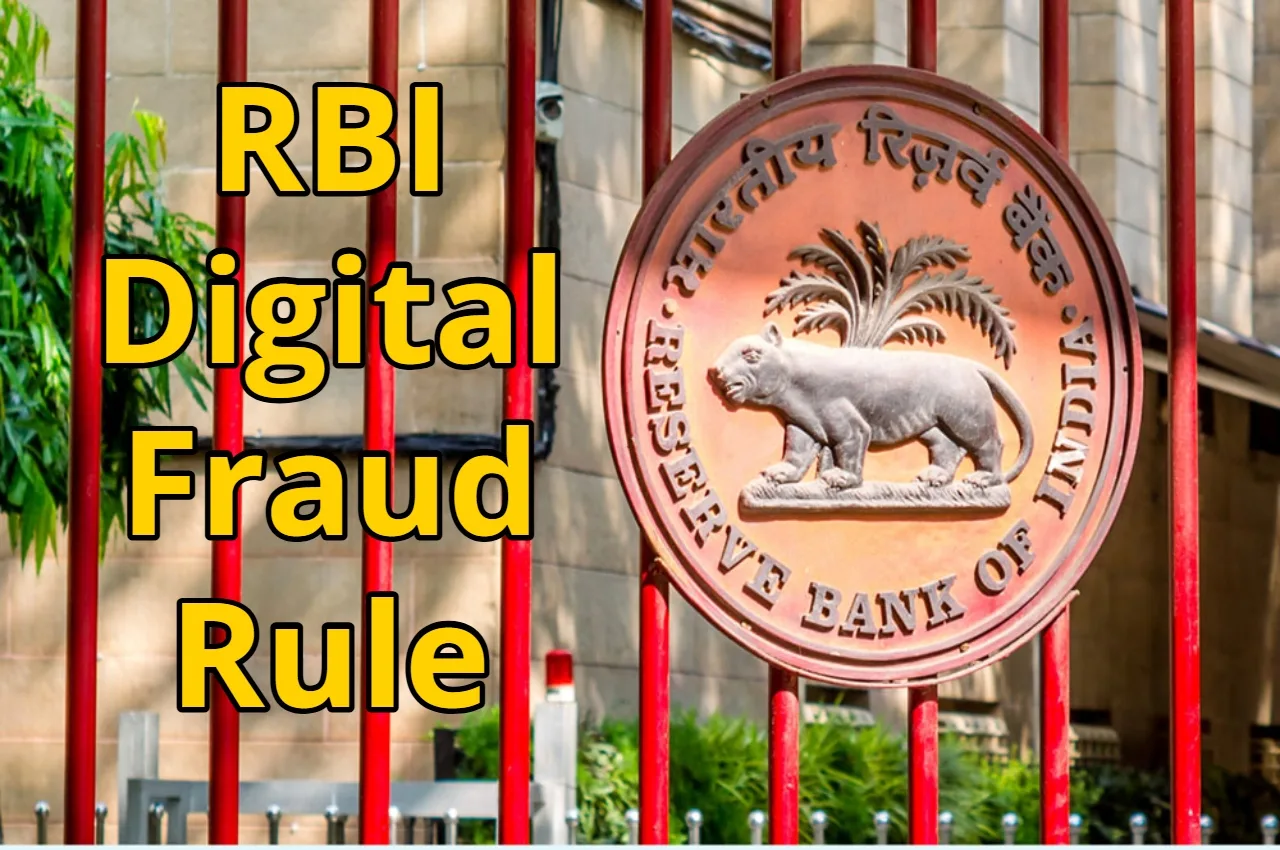
RBI Digital Fraud Rule
RBI Digital Fraud Rule: In today’s digital age, every aspect of our lives has gone online. Shopping, bill payments, banking, investments, and money transfers—everything is now done through mobile phones or computers. This convenience is certainly beneficial, but it has also led to a rapid increase in online fraud cases. Phishing links, fake calls, OTP scams, card detail theft, and UPI fraud have resulted in thousands of people losing their hard-earned money in minutes.
In this environment, the Reserve Bank of India (RBI) has taken a new step to protect customers. The RBI is soon going to implement a new rule under which victims of small digital frauds will be provided financial assistance. Now, if someone loses money due to online fraud, they can receive compensation of up to ₹25,000.
Read Here: Nissan’s new car is coming to rival the Ertiga – Know all the details before launch
Read Here: CTET 2026 Exam Day Rules for Paper 1 and Paper 2 – ctet.nic.in
RBI’s Compensation Rules
According to RBI Governor Sanjay Malhotra, draft guidelines will be issued soon. Under these guidelines, customers will be provided financial relief, provided they inform their bank about the fraud in a timely manner. This compensation will be given only once, not every year. The maximum amount has been fixed at ₹25,000. The compensation will be calculated based on the loss. The customer will receive 85 percent of the loss or ₹25,000, whichever is less.
Read Here: Donald Trump to Impose Tariffs on Countries Trading with Iran, Issues Stern Warning
Read Here: Pension Scheme: Pension of ₹60,000 After Retirement, Government Announces New Scheme
How much compensation will be given for a ₹25,000 fraud?
If a customer experiences a fraud of ₹50,000, 85 percent of that would be ₹42,500. However, the maximum compensation will be ₹25,000. If the loss is ₹1,00,000, 85 percent would be ₹85,000, but the compensation will still be ₹25,000. However, if the loss is ₹20,000, 85 percent would be ₹17,000, and the customer can receive the full ₹17,000, as it is within the prescribed limit.

Adarsh P
Next Article
Railway Update: सरकार ने रेलवे कर्मचारियों को दी बड़ी सौगात, सैलरी में होगी बंपर बढ़ोतरी
केंद्र सरकार (central employee) ने कुछ दिन पहले केंद्रीय कर्मचारियों (central employee) के डीए में बढ़ोतरी (da hike) कर बड़ा तोहफा दिया था. लेकिन इस बीच एक और गुड न्यूज़ मिली है. केंद्र सरकार (central government) ने अब रेलवे कर्मचारियों को लेकर बड़ा चौंकाने वाला फैसला लिया है.


DA Hike Update: केंद्र सरकार (central employee) ने कुछ दिन पहले केंद्रीय कर्मचारियों (central employee) के डीए में बढ़ोतरी (da hike) कर बड़ा तोहफा दिया था. लेकिन इस बीच एक और गुड न्यूज़ मिली है. केंद्र सरकार (central government) ने अब रेलवे कर्मचारियों को लेकर बड़ा चौंकाने वाला फैसला लिया है. इंडियन रेलवे (Indian Railways) की तरफ से अपने कर्मचारियों और पेंशनर्स के लिए डीए और डीआर (da and dr) में 2 फीसदी की बढ़ोतरी कर दी है.
यह बढ़ोतरी 1 जनवरी 2026 से लागू मानी जाएगी, जिसका बड़े स्तर पर फायदा देखने को मिलेगा. रेलवे कर्मचारियों का भत्ता वेतन का 58 फीसदी से बढ़कर 60 फीसदी तक हो जाएगा. जनवरी और फरवरी, मार्च अप्रैल महीन का एरियर बनकर मई की सैलरी कर्मचारियों के अकाउंट में ट्रांसफर की जाएगी.
Write a Comment