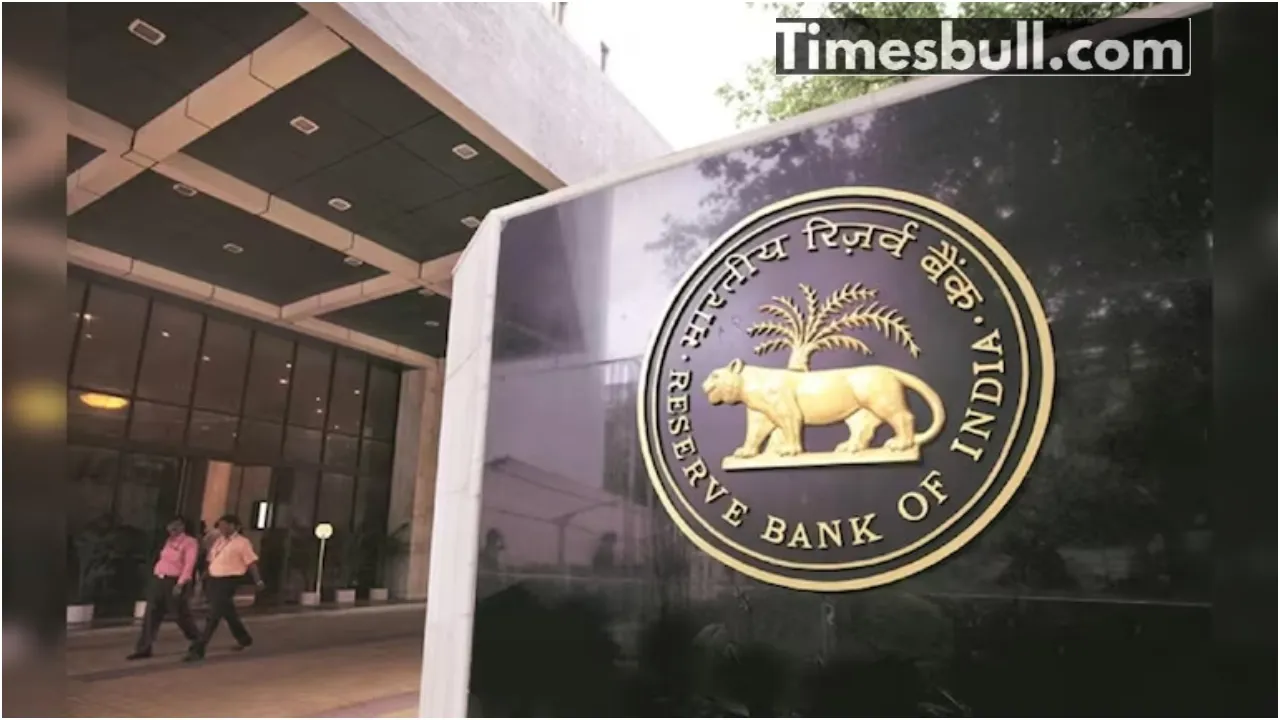
RBI: The quarterly earnings season has begun. Companies often announce dividends along with quarterly results. The Reserve Bank of India defines “dividend” as the amount payable on equity shares, including interim dividends. However, the RBI has now proposed capping the dividend amount for banks.
What is the limit fixed?
The RBI’s definition of dividend does not include dividends paid on perpetual non-cumulative preferred shares. The Reserve Bank of India (RBI) on Tuesday proposed a limit on dividends banks can pay to shareholders, which would prevent any bank from paying more than 75 percent of its net profit as dividends.
Which banks will this rule apply to?
The RBI’s new rule applies to all Indian banks, while the limit will be 80 percent for Regional Rural Banks and Local Area Banks. The RBI stated in the draft that a bank’s board of directors must consider its long-term growth plans and capital position before paying dividends.
Net profit must be positive
According to the new rule, a bank’s net profit must be positive during the period for which it proposes to pay a dividend. The same rule applies to foreign banks opening branches in India. The RBI has also stated that it reserves the right to impose restrictions on dividend distributions or profit remittances if a bank fails to comply with laws, regulations, or guidelines. The Reserve Bank has sought comments from the public and banks on this draft proposal by February 5.