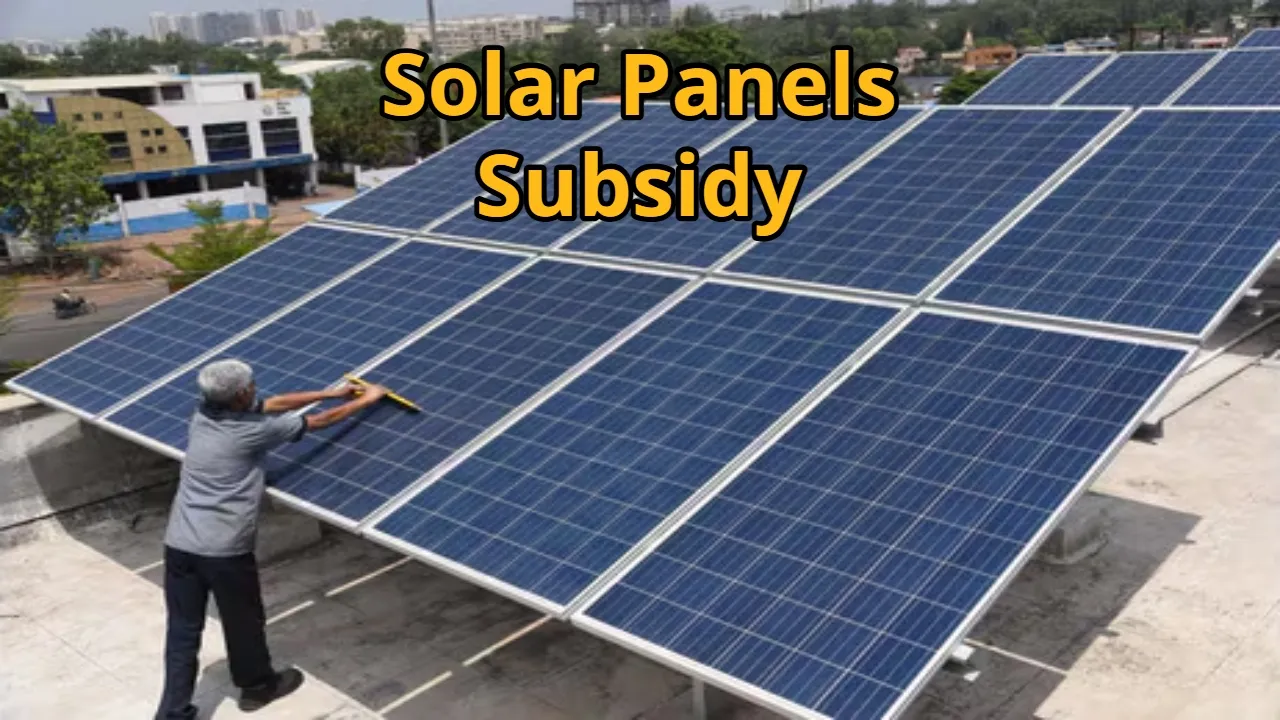
Solar Panel Subsidy Update 2026: To combat the ever-rising electricity prices and hefty summer bills, ordinary citizens are now installing solar panels on their rooftops. According to recent reports from February 2026, a 3 kW solar system is proving to be the best option for middle-class families. The central government’s Pradhan Mantri Surya Ghar Free Electricity Scheme has brought this technology within reach of the common man, which not only reduces electricity bills but also helps protect the environment.
Cost of a 3 kW Solar System
For an average Indian household that consumes 300 to 500 units of electricity per month, a 3 kW solar plant is considered sufficient. Currently, the total market cost of a standard 3 kW on-grid solar system ranges from ₹1.60 lakh to ₹2.20 lakh, which includes the cost of the solar panels, inverter, mounting structure, wiring, and installation.
This system generates approximately 12 to 15 units of electricity daily, resulting in monthly savings of approximately 450 units. From an investment perspective, the entire cost of this system is recovered in just 3 to 4 years due to savings on electricity bills and government subsidies.
Subsidies Under the Scheme
The government is providing financial incentives to families adopting solar systems by transferring subsidies directly into their bank accounts. A family installing a solar system with a capacity of 3 kilowatts or more receives a maximum subsidy of ₹78,000 under the Pradhan Mantri Surya Ghar Yojana.
This amount is directly deposited into the beneficiary’s account after installation and technical verification. With this substantial subsidy, the effective cost of a 3-kilowatt system is reduced to approximately ₹82,000 to ₹1.20 lakh, making it an affordable investment for middle-class families.
Application Process
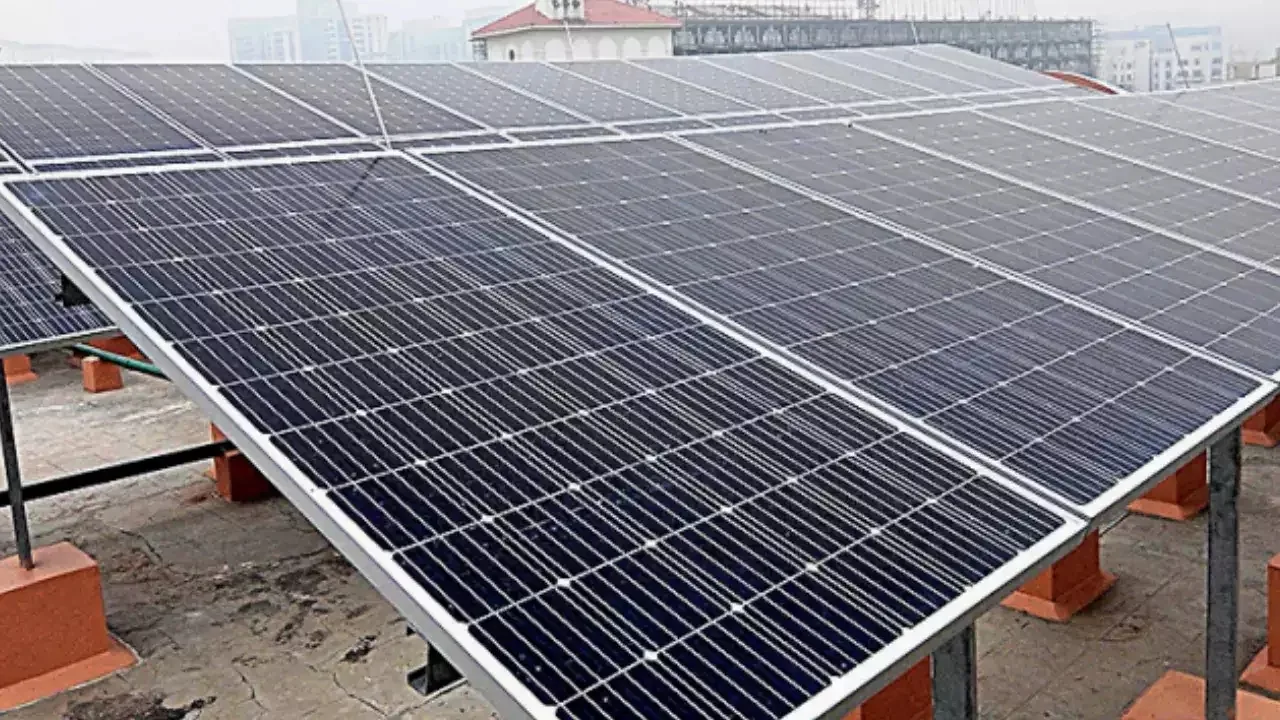
To avail the subsidy, applicants must register on the Government of India’s official portal, pmsuryaghar.gov.in, where they select their state and power distribution company. It’s important to note that the subsidy is only available if the installation is done through a government-certified vendor.
Once the system is installed, the DISCOM installs a net meter that tracks your consumption and the excess electricity sent to the grid. If you generate more electricity than you need, you can send it back to the grid and add it as a credit to your next bill, reducing your bill to zero.
Latest News
- Weather warning – Heavy Rain, thunderstorms, lightning Alerts for 13 States Over Next 3 Days

- UP TGT Exam City Slip 2026 Released – Download at upessc.up.gov.in, Exam June 3-4

- ATM Alert: एटीएम में फंस जाए डेबिट कार्ड तो घबराएं नहीं, फटाफट यह काम करने से होगा समाधान

- Post Office Scheme – 7.5% Interest Rate, ₹5 Lakh Becomes ₹7,24,974 in 5 Years, Start with Just ₹1,000

- Best AI Video Editing Laptops Under 60,000 INR: Top Picks Her

- Best CNG Cars: पेट्रोल के बढ़ते दाम के बीच ये सीएनजी गाड़ी खरीदकर खर्च करें कम, माइलेज भी जबरदस्त

- Samsung Stable One UI 8.5 Update to Galaxy Tab S10 FE and Tab S10 FE+

- बुढ़ापे की लाठी बनेंगी ये तीन स्कीम्स, निवेश से पहले जानिए कितना मिल रहा ब्याज

- OnePlus Nord CE 6 vs Samsung Galaxy A57: Which Mid-Range 5G Phone Wins?

- Lenovo LOQ 15 Gen 11 Review: Best Budget Gaming Laptop?