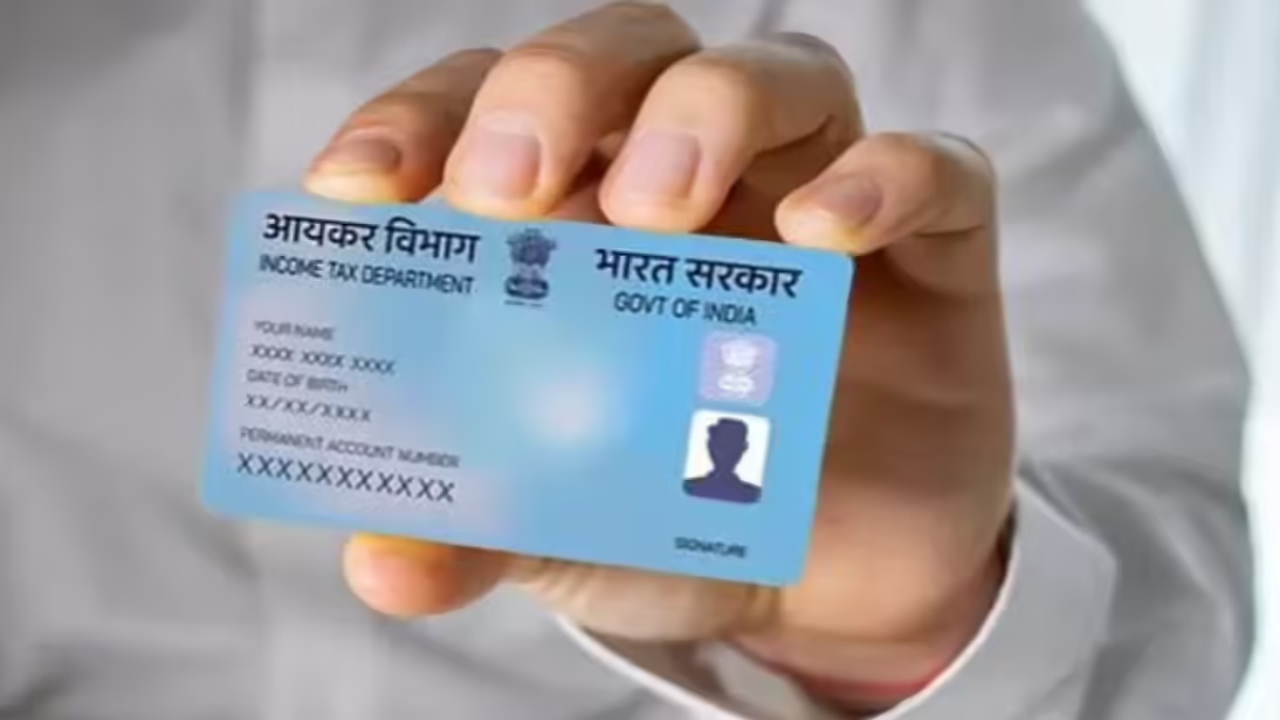
PAN Card Fraud: Big news for PAN CARD holders. Nowadays, cybercriminals are pulling off tricks with PAN details, pocketing the cash while you’re left with the debt. So, how is this PAN being misused, and what can we do to safeguard ourselves? Let’s dive into the details.
How is PAN card fraud happening?
These days, the PAN card isn’t just a tax tool; it’s your financial identity. Whether it’s for opening a bank account, getting loans, credit cards, or making investments, you need a PAN everywhere. Scammers are cashing in on this. They can get your PAN through various sneaky ways, like:
– Making fake calls or sending SMS pretending to be about KYC updates
– Uploading your PAN on bogus loan apps or websites
– Snagging it from a photo of your PAN shared on social media
– Accessing it through data leaks or old records
Once they have your PAN, these fraudsters can easily secure loans in your name from digital loan apps or NBFCs. The low documentation and quick approvals offered by many apps make this scam even simpler.
The scariest part of this fraud is that while the loan money goes straight to the fraudster’s bank account or wallet, the EMIs, recovery calls, and notices land in your lap. By the time you catch on, your CIBIL score or credit score has taken a nosedive. Recovery agents start hounding you, making it tough to get a loan or credit card down the line.
What are the signs that your PAN might be misused?
If you spot any of these signs, stay vigilant.
Messages or emails about a loan or EMI, even if you haven’t applied for one
A call from your bank or a recovery agent
A sudden dip in your credit score
Unfamiliar loan accounts appearing in your CIBIL or Experian report
Where do people often go wrong?
Uploading your PAN by clicking on suspicious links
Posting a photo of your PAN card on social media
Downloading fake apps that promise cheap or instant loans
Believing calls that say “your account will be closed if KYC isn’t updated”
How can you prevent PAN card fraud?
Taking a few simple steps can help you avoid major losses.
Never share your PAN card copy or photo with strangers.
Only take loans from banks or NBFCs registered with the RBI.
Avoid unknown loan apps or websites.
Make it a habit to check your credit report every 3-6 months.
If you’re unsure, set up a credit alert or freeze your report with CIBIL.
Always verify KYC-related calls or messages directly through your bank’s official website.
What should you do if a fake loan is taken out in your name?
Submit a written complaint to the relevant bank or NBFC.
Report the issue as a cyber crime at cybercrime.gov.in.
Dispute that loan with CIBIL/Experian.
If needed, file an FIR at your nearest police station.
Taking action promptly can protect both your credit score and your future.