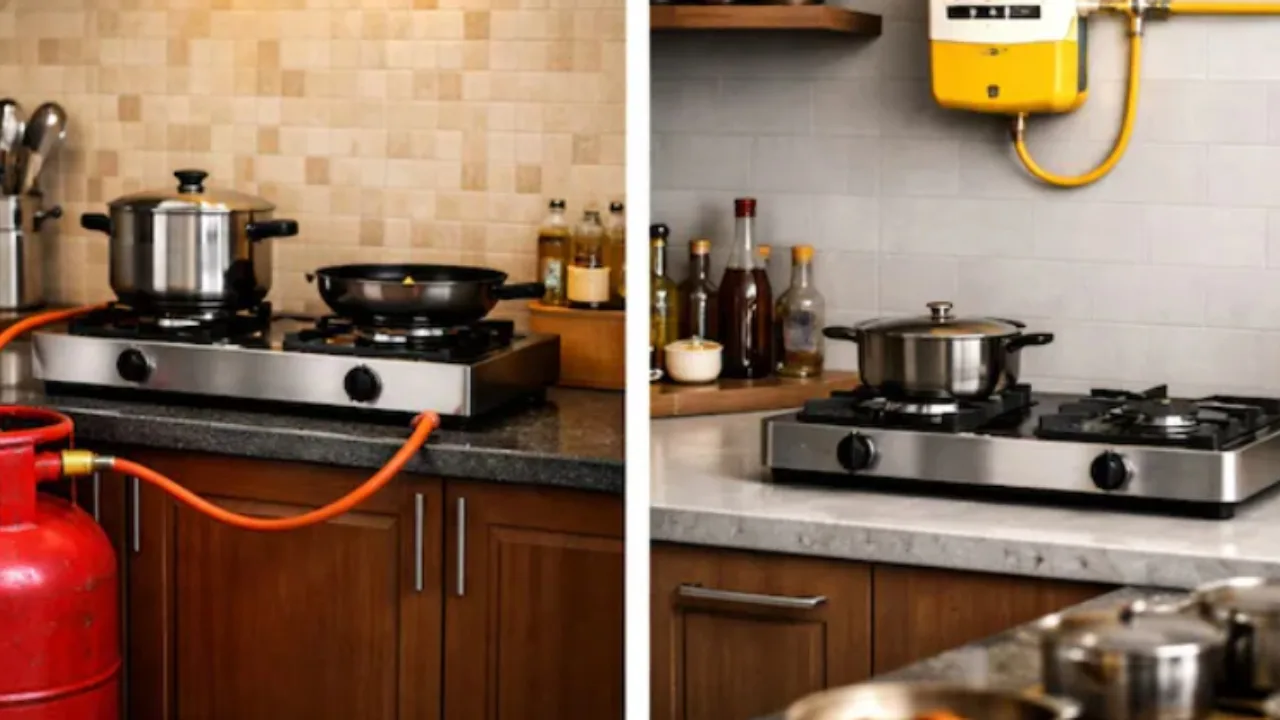
PNG vs. LPG: A tense situation persists among the US, Israel, and Iran, significantly impacting crude oil imports. The situation has deteriorated to such an extent that gas supplies in India are also facing disruptions. There is a massive scramble at distribution agencies to purchase gas cylinders. Given the worsening conditions, cylinder deliveries are now being fulfilled only after a booking has been successfully placed.
On the other hand, questions regarding PNG and LPG have also begun to arise among the public. To clarify, PNG stands for Piped Natural Gas, while LPG stands for Liquefied Petroleum Gas. Over the past few years, people in urban areas have increasingly been opting for PNG connections. LPG cylinders, of course, have long been an integral part of household kitchens. Ultimately, it is essential to understand the differences between the two—a distinction that will eliminate any confusion.
What is PNG?
Did you know that PNG stands for Piped Natural Gas? It is a form of natural gas that is delivered directly to homes via a network of pipelines. A gas meter is installed within the home, from which the pipeline runs directly to the stove. Consequently, there is no need to store gas cylinders on the premises. You receive a monthly bill based on the actual amount of gas consumed—much like electricity or water bills.
What is LPG?
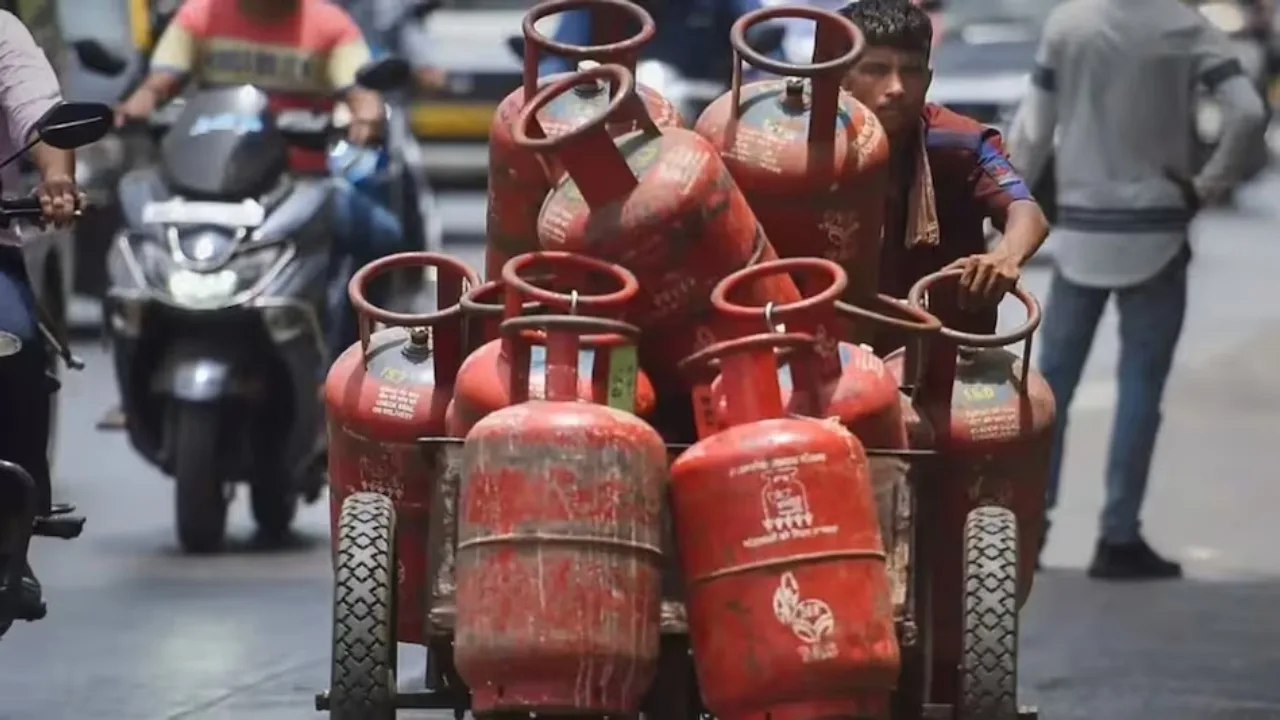
LPG stands for Liquefied Petroleum Gas. This is the gas that is filled into cylinders and delivered to households. It has been used in kitchens for a very long time.
What are the Key Differences Between the Two?
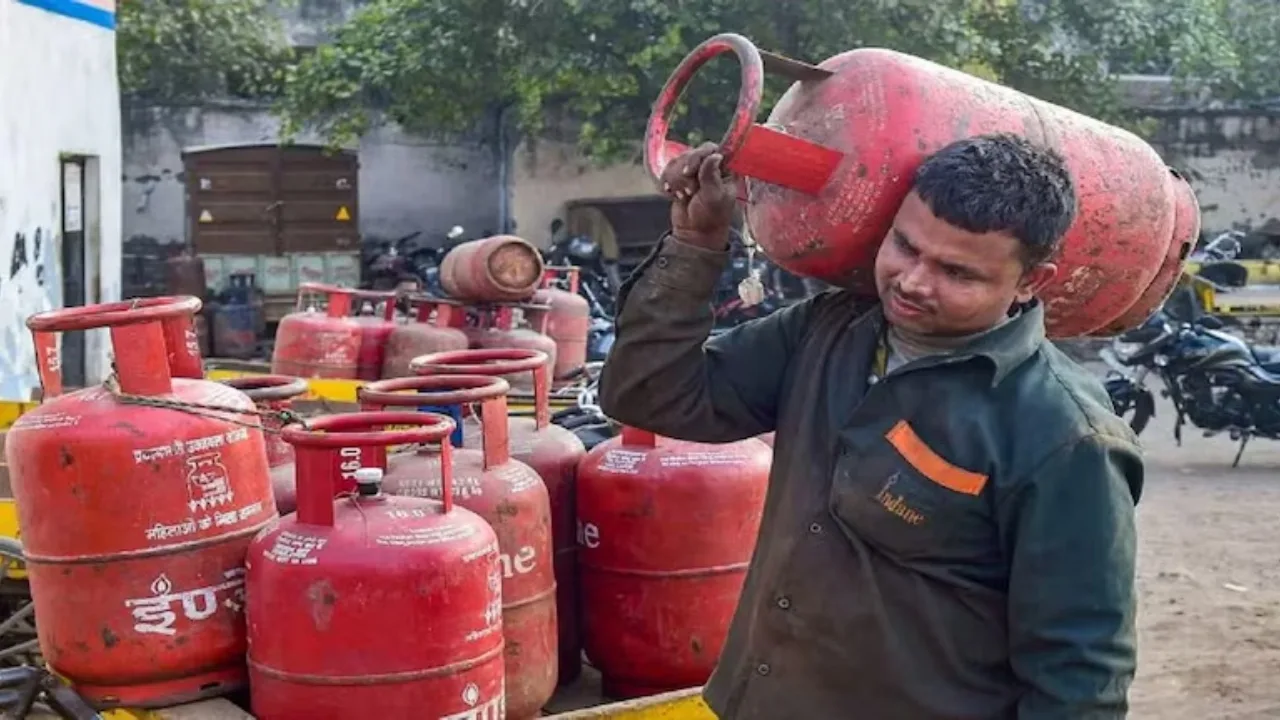
PNG is delivered directly to the customer’s home through pipelines; therefore, there is no need to fetch or replace cylinders. LPG, conversely, is supplied via cylinders. Since PNG is piped directly to the home, the hassle of fetching or exchanging cylinders is eliminated. With LPG, however, when the supply runs out, a new cylinder must be purchased and brought home, while the empty cylinder kept at the residence is returned.
Price Differences
PNG bills are typically calculated based on actual consumption. In many major cities, this can prove to be slightly more economical compared to LPG. Moreover—especially when gas consumption is high—with LPG, you have to purchase the entire cylinder, and its cost must be paid upfront.
Latest News
- Weather warning – Heavy Rain, thunderstorms, lightning Alerts for 13 States Over Next 3 Days

- UP TGT Exam City Slip 2026 Released – Download at upessc.up.gov.in, Exam June 3-4

- ATM Alert: एटीएम में फंस जाए डेबिट कार्ड तो घबराएं नहीं, फटाफट यह काम करने से होगा समाधान

- Post Office Scheme – 7.5% Interest Rate, ₹5 Lakh Becomes ₹7,24,974 in 5 Years, Start with Just ₹1,000

- Best AI Video Editing Laptops Under 60,000 INR: Top Picks Her

- Best CNG Cars: पेट्रोल के बढ़ते दाम के बीच ये सीएनजी गाड़ी खरीदकर खर्च करें कम, माइलेज भी जबरदस्त

- Samsung Stable One UI 8.5 Update to Galaxy Tab S10 FE and Tab S10 FE+

- बुढ़ापे की लाठी बनेंगी ये तीन स्कीम्स, निवेश से पहले जानिए कितना मिल रहा ब्याज

- OnePlus Nord CE 6 vs Samsung Galaxy A57: Which Mid-Range 5G Phone Wins?

- Lenovo LOQ 15 Gen 11 Review: Best Budget Gaming Laptop?