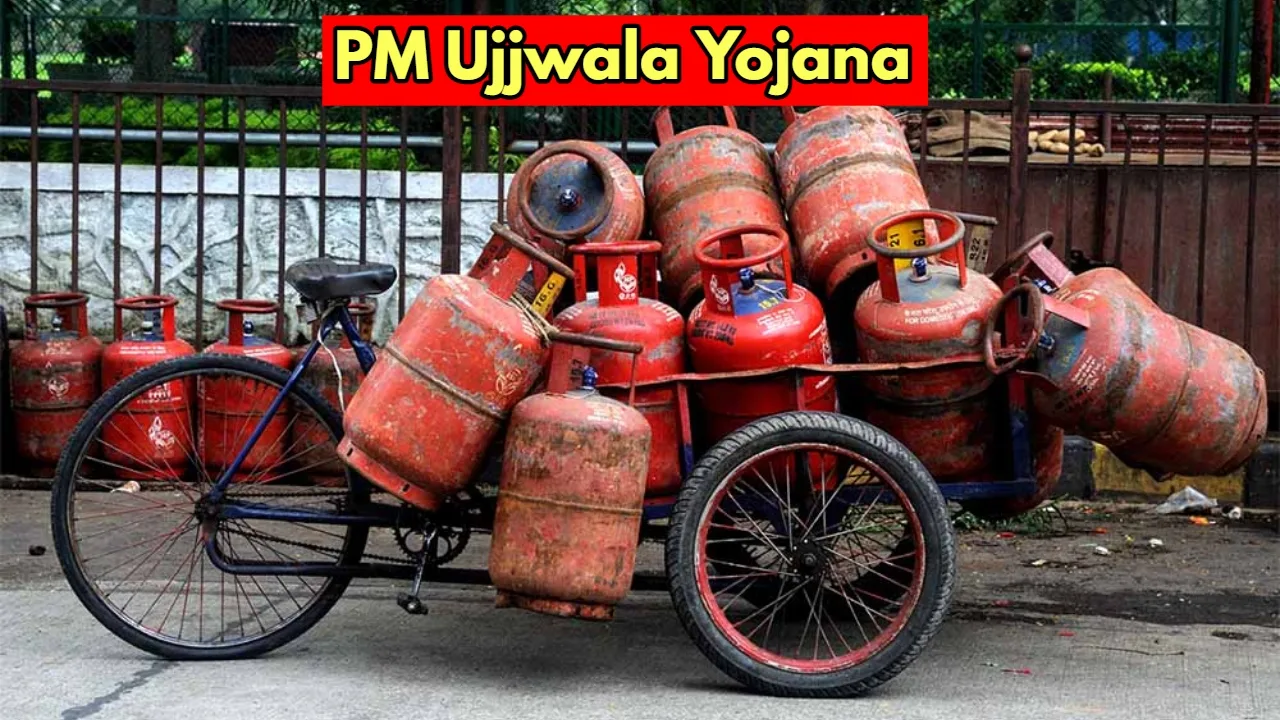
Pradhan Mantri Ujjwala Yojana: This is one of the key public welfare initiatives by the Government of India, which has significantly transformed the lives of countless underprivileged families across the nation. The primary goal of this scheme is to ensure smoke-free kitchens for these families, particularly benefiting women, by providing access to clean fuel, specifically LPG gas.
For many years, traditional cooking fuels such as wood, cow dung, and coal have been the norm in rural India. These practices not only posed environmental hazards but also severely affected the health of women and children due to the smoke that filled their homes. In this context, the Ujjwala Yojana has emerged as a substantial relief.
At the same time, the ongoing conflict in Iran has instilled a sense of apprehension regarding LPG in India. The government continues to assert that the situation remains stable. However, the cost of LPG cylinders has seen an increase. Nevertheless, beneficiaries of the Ujjwala Yojana are still receiving cylinders at a discount of Rs 300.
How can one benefit from the Ujjwala Yojana?
It’s important to highlight that participants in the Pradhan Mantri Ujjwala Yojana are entitled to a subsidy of Rs 300. This means that they can obtain an LPG cylinder for Rs 300 less than the standard price. Additionally, beneficiaries of this initiative are granted an LPG connection without any security deposit or installation fees.
12 subsidized cylinders are available each year
Prime Minister Narendra Modi inaugurated this scheme on May 1, 2016, in Ballia, Uttar Pradesh. The initiative is designed to provide clean cooking fuel, like LPG, to rural and disadvantaged families. Under this program, Below Poverty Line (BPL) families receive a complimentary gas connection along with 12 subsidized cylinders. To date, over 100 million individuals have benefited from this scheme, which has offered considerable relief to those in rural areas and among the economically disadvantaged.
The Ujjwala Yojana has made the lives of rural women easier. While it used to take them hours to collect firewood, they can now cook food on a gas stove in no time. This frees up time, which they can use for other productive tasks. Smoke-related illnesses such as eye irritation, respiratory problems, and lung disease have also significantly decreased. According to the World Health Organization (WHO), indoor pollution causes many serious diseases. The Ujjwala Yojana has been successful in significantly reducing this problem.
The impact of this scheme is not limited to health, but has also had social and economic impacts. The increased use of LPG has created new employment opportunities in rural areas, such as gas distribution centers and delivery services. Furthermore, the social status of women has also improved. They now feel more independent and have increased their participation in family decisions.
Latest News
- America Update: व्हाइट हाउस के दरवाजे पर 25 राउंड फायरिंग से मची खलबली, संदिग्ध हमलावर की मौत

- Tata Tiago Facelift Launching Soon – Aggressive Design And High-Tech Cabin Revealed

- LPG Gas Connection Transfer Made Easy, Learn the Complete Process
- New Honda City Facelift 2026 Launched – Sporty Coupe Look And ADAS Safety Revealed

- 8th Pay Commission: केंद्रीय कर्मचारियों की बढ़ेगी बंपर सैलरी! आयोग ने उठाया यह बड़ा कदम

- China: चीन के कोयला खदान में भयंकर विस्फोट, 90 लोगों की गई जान, पीएम मोदी ने भी जताया दुख

- Weather warning – Heavy Rain, thunderstorms, lightning Alerts for 13 States Over Next 3 Days

- UP TGT Exam City Slip 2026 Released – Download at upessc.up.gov.in, Exam June 3-4
- ATM Alert: एटीएम में फंस जाए डेबिट कार्ड तो घबराएं नहीं, फटाफट यह काम करने से होगा समाधान

- Post Office Scheme – 7.5% Interest Rate, ₹5 Lakh Becomes ₹7,24,974 in 5 Years, Start with Just ₹1,000