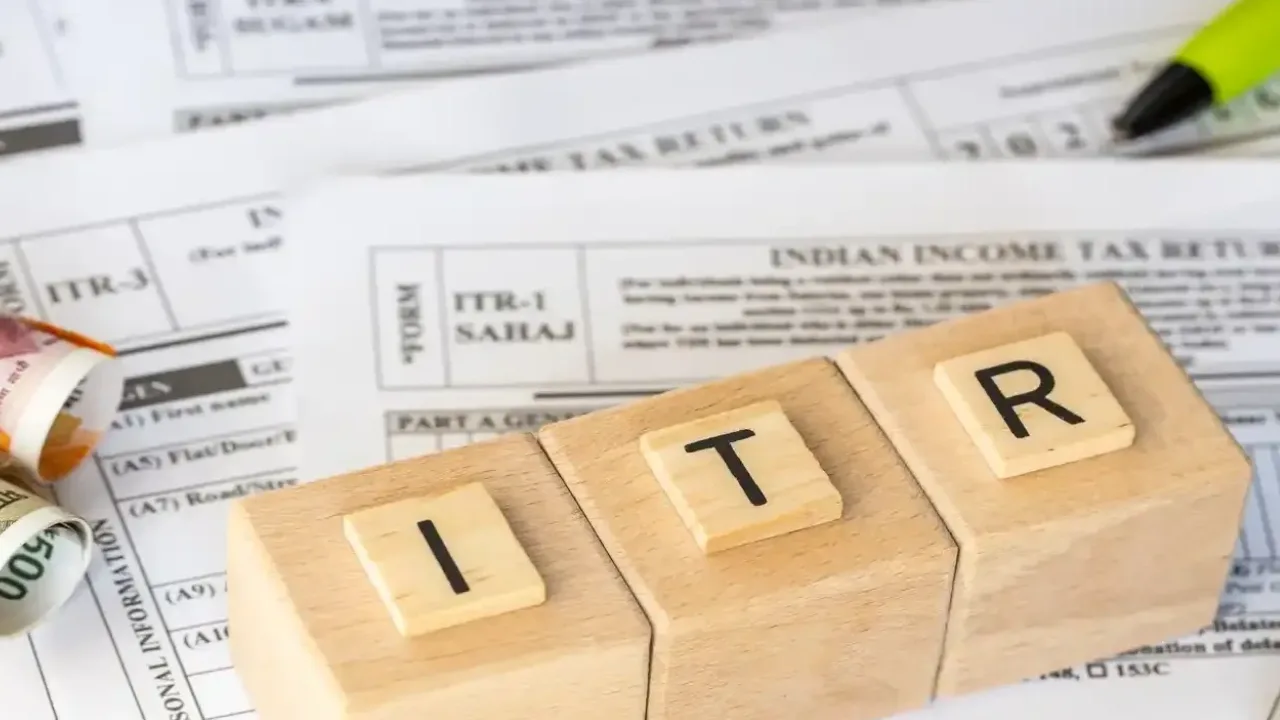
ITR filing 2026: The income tax Return (ITR) filing season has begun, and millions of taxpayers are preparing to file their returns. The Income tax Department has begun making ITR forms available on the e-filing portal in a phased manner for the financial year 2025-26 (Assessment Year 2026-27).
ITR Filing 2026 Begins
ITR-1 and ITR-4 are available for online filing from May 15, while ITR-2 has also been activated from May 27. However, taxpayers filing ITR-3 will have to wait a little longer, as this form is not yet available on the portal. Like every year, this time too, the biggest question is which ITR form should be filed? Choosing the right form can sometimes be difficult, especially for senior citizens . However, the good news is that the choice of ITR form is determined not by your age, but by your source of income .
If your income is limited to pension, interest, and income from up to two houses, and your total income is less than Rs 50 lakh, ITR-1 (Sahaj) is the most suitable form for you. It is considered the simplest form and is used by most senior pensioners. However, if you’ve earned capital gains from investing in the stock market, mutual funds, or selling property, or you own more than two houses, you’ll need to file ITR-2. This form is designed for those whose sources of income are slightly more complex.
Big Update for Taxpayers
If you earn income from a business or profession, such as a doctor, lawyer, consultant, or trader, ITR-3 is mandatory. On the other hand, if you file taxes under the Presumptive Taxation Scheme , ITR -4 (Sugam) is the right choice. Now let’s discuss an important benefit that some senior citizens can take advantage of. Super senior citizens aged 75 or older are granted special exemptions under the Income Tax Act. Such individuals can avoid filing their Income Tax Return (ITR) entirely if they meet certain conditions.
To do this, they must fill out Form 125, formerly known as Form 12BBA. This facility is available only to citizens aged 75 years or older living in India. However, their income must be limited to pension and interest from the bank where they filed the declaration. If they have additional income, such as rent, capital gains, business income, or any other source, they will not be able to avail this facility and will have to file their ITR in the normal manner.
In terms of tax slabs, senior citizens receive some additional relief under the old tax regime. The basic tax exemption limit for those aged 60 and above is Rs 3 lakh, compared to Rs 2.5 lakh for general taxpayers. For super senior citizens aged 80 and above, this limit is up to Rs 5 lakh.
However, the new tax regime does not provide any separate exemptions for senior citizens and regular taxpayers. The basic exemption limit remains the same at Rs 4 lakh for all. Therefore, before filing your ITR, it’s crucial to understand your source of income and which form is appropriate for you. Choosing the correct form not only speeds up return processing but also helps avoid future notices or other tax-related hassles.