



When you deposit cash of ₹10 lakh or more into your bank account, it becomes a significant trigger for the Income Tax Department. The ₹10 lakh threshold is considered a high-value transaction, which the government closely monitors to prevent undisclosed income and tax evasion.
Monitoring under AIS and SFT
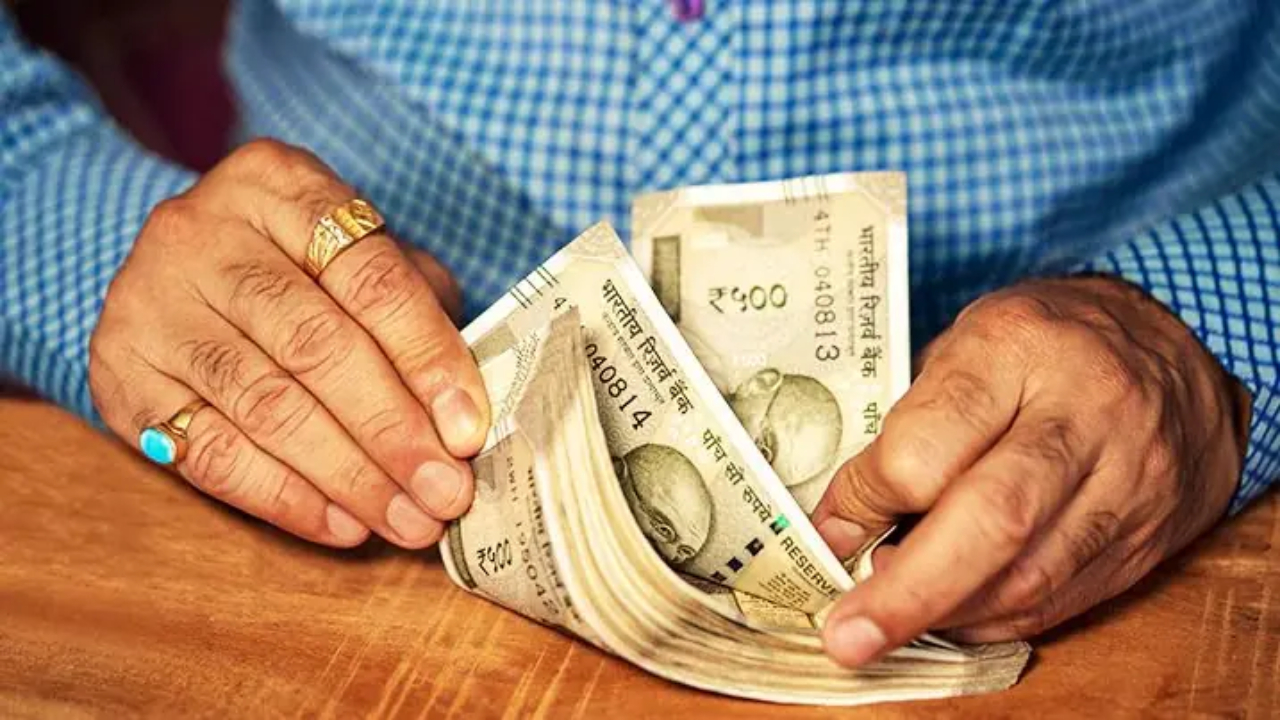
Banks are mandated under the Income Tax Act to submit a special report called the Statement of Financial Transactions (SFT) to the Income Tax Department. In this report, banks report cash deposits totalling ₹10 lakh or more directly to the department. This information is then reflected in the Annual Information Statement (AIS), which you can view on your tax portal.
This is the first and most important step in monitoring. This limit applies to all cash deposits made into one or more accounts during a financial year. If you deposit cash totaling more than ₹10 lakh at different times in a financial year, your transactions will come under the scanner of the Income Tax Department.
Proof of Source of Income
If your cash deposits exceed the ₹10 lakh limit, the Income Tax Department may ask you for verification of the source of income. You must explain where you obtained such a large amount of cash. If this money does not match your declared income or savings, or if you cannot provide satisfactory proof of income, the department may consider it undeclared income.
Penalties and Tax Risks
If undeclared income is found, you may be taxed at a higher rate and may also face a heavy penalty. This risk applies to both personal savings and business income. Therefore, to be safe, you should always ensure that any large cash deposits in the bank are fully declared in your tax return and that you have all the valid documents proving that income.
Using digital or bank transfer methods instead of cash deposits is always considered safer. Therefore, to avoid any risks and government notices, it is wise to always conduct all transactions above ₹2 lakh through bank transfer, cheque, or digital means.