

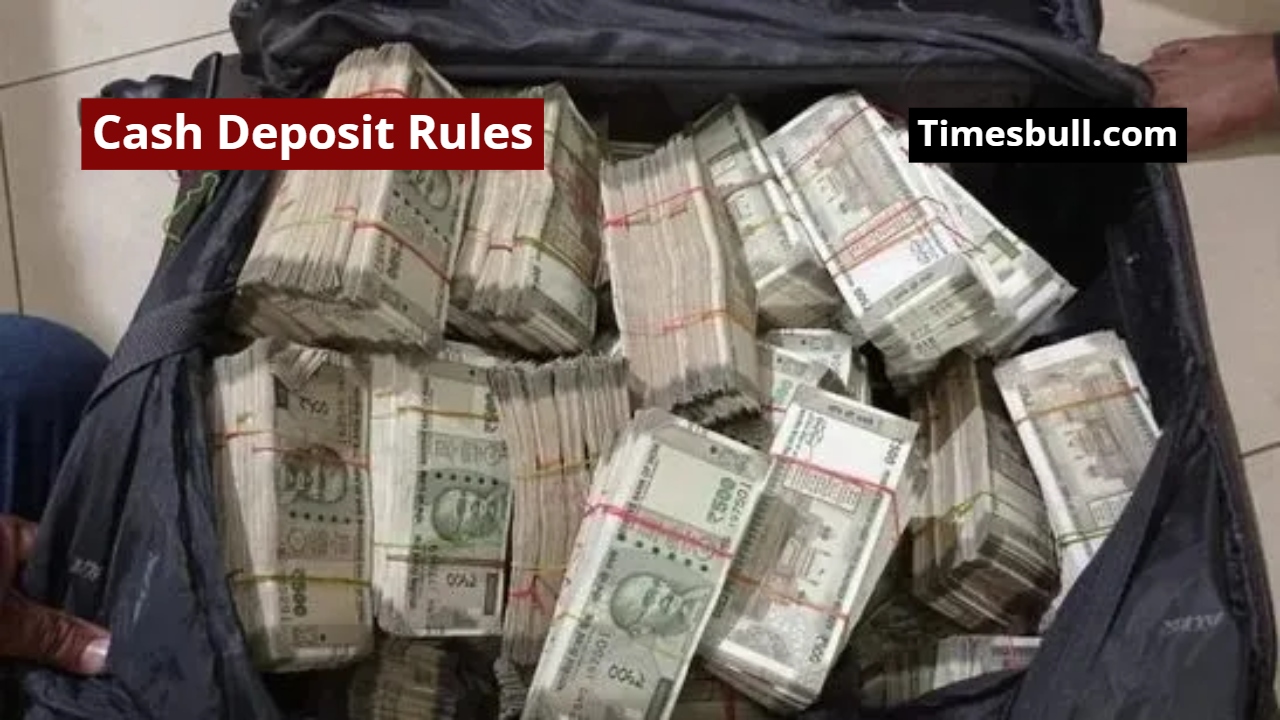
If you deposit large sums of cash in your bank account and think that every penny is safe and unquestionable, be cautious. Following a recent landmark case, it has become clear that while depositing large amounts of cash in a bank may not be a crime, the Income Tax Department can take action if the source of the money cannot be proven. Therefore, ignoring this issue could lead to future difficulties.
Read More- Bank Recruitment 2025: PNB 750 Officer Posts Announced, Salary Up to ₹85,000 -Apply at pnb.bank.in!
Why has public concern increased?
The Delhi-based Income Tax Appellate Tribunal recently ruled that if a large amount of cash is deposited in an individual’s account, the Income Tax Department can investigate it and ask the individual for proof of the source of the money. This ruling has raised concerns among many that large cash deposits could lead to a notice.
Tax Department Questions on Cash Deposits
Banks and cooperative banks automatically report cash deposits of ₹10 lakh or more in a financial year to the Income Tax Department. Its purpose is to monitor black money, tax evasion, and suspicious transactions. If you deposit cash in excess of this amount and cannot clearly demonstrate its source, it may fall under the category of undisclosed income under the Income Tax Act.
What to do if you receive a notice
Receiving a notice is not an indication of any crime. You simply need to prove that the deposited amount was legitimate and earned through legal means. For example, you should provide documentation of property sales, business income, investment returns, gifts, or any other valid source. It is always beneficial to keep bank statements, receipts, and related records safe.
How to avoid unnecessary hassles
Transparency is the strongest foundation of this entire system. Try to limit your cash transactions and make most payments digitally. If you have to deposit a large amount of cash for some reason, keep its source recorded in advance. Providing accurate information on your tax return and responding promptly to a notice can help you avoid any problems.
Read More- Thinking About Buying iPhone 17? Read These 5 Pros and 5 Cons First!
Cash Withdrawals Are Also Under Monitoring
It’s also worth noting that the tax department monitors not only cash deposits but also frequent, large cash withdrawals. If your withdrawals appear unusual relative to your income, the bank may report them to the department. Therefore, the more transparent the transactions, the better.
In today’s changing financial landscape, it’s wise to prioritize digital payments over cash and maintain records of all your transactions. Those who provide accurate information need not fear any notices.