A major advantage of taking a loan is that you don’t have to borrow from anyone and can repay the amount slowly and comfortably. However, banks used to thoroughly evaluate your financial creditworthiness, i.e., your CIBIL score, before granting a loan. However, the biggest challenge faced by applicants with low CIBIL scores or first-time loan applicants is.
The good news is that the Indian Business Idea: Start These 4 Businesses With Low Investment, Then Earn Big Every Month”/gas-cylinder-why-was-the-number-of-subsidized-cylinders-reduced-government-explains-the-reaso-750917.html" class="tb-related-post-link" rel="bookmark">Gas Cylinder: Why Was the Number of Subsidized Cylinders Reduced? Government Explains the Reaso has made a revolutionary decision: no loan applications will now be rejected solely based on a lack of a CIBIL score! Let’s understand in detail how you can get a loan even without a CIBIL score.
What is a CIBIL Score, and why is it important

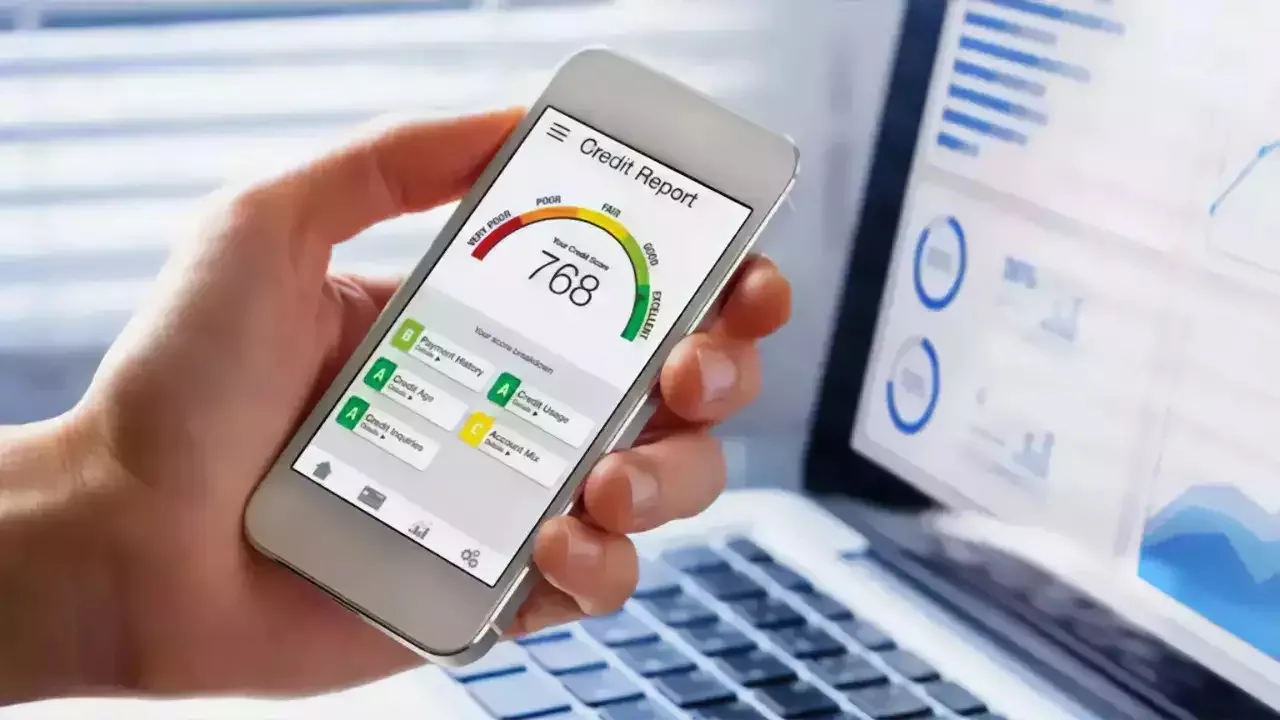
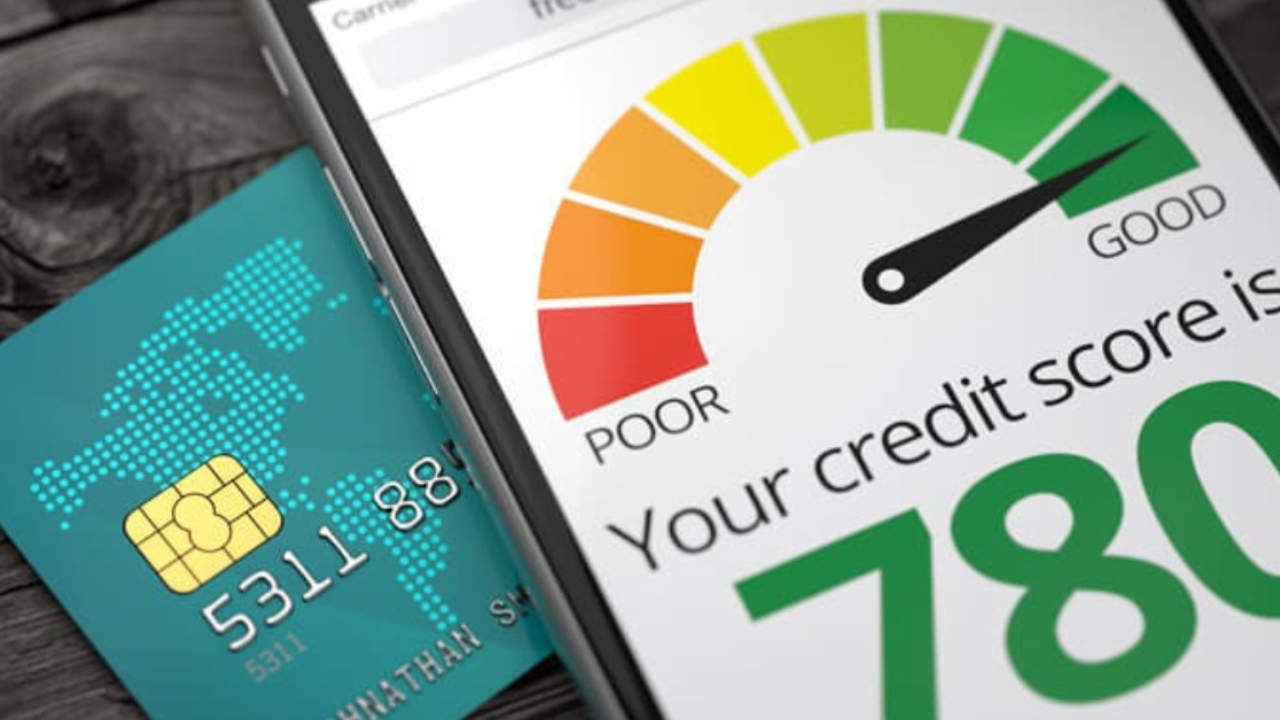
A CIBIL score is a score that banks or financial institutions assign to their customers based on their loan repayment ability. When you take out a loan or credit card from a bank, you are assigned a CIBIL score based on your repayments and credit utilization. This score reflects your payment history and helps you easily obtain loans in the future. In India, credit scores typically range from 300 to 900. The better your score, the better your chances of getting a loan. However, a poor CIBIL score can significantly hamper your chances of getting a loan.
How to Get a Loan Even Without a CIBIL Score
First-time loan applicants often faced rejection due to a lack of a CIBIL score. However, this is now a thing of the past after changes in government guidelines. For those seeking loans for education or other needs, banks will no longer focus solely on CIBIL. Instead, they can grant loans based on income proof, employment history, and other important financial documents. This significantly means that a CIBIL score is no longer a mandatory requirement for a loan.
Relief for the General Public
This significant news is extremely comforting for the general public, as they will no longer have to hesitate before seeking loans for their needs. The government aims to promote financial inclusion, ensuring that eligible individuals are not denied loan benefits even if they lack a financial history. This rule is no less than a boon for first-time loan takers.