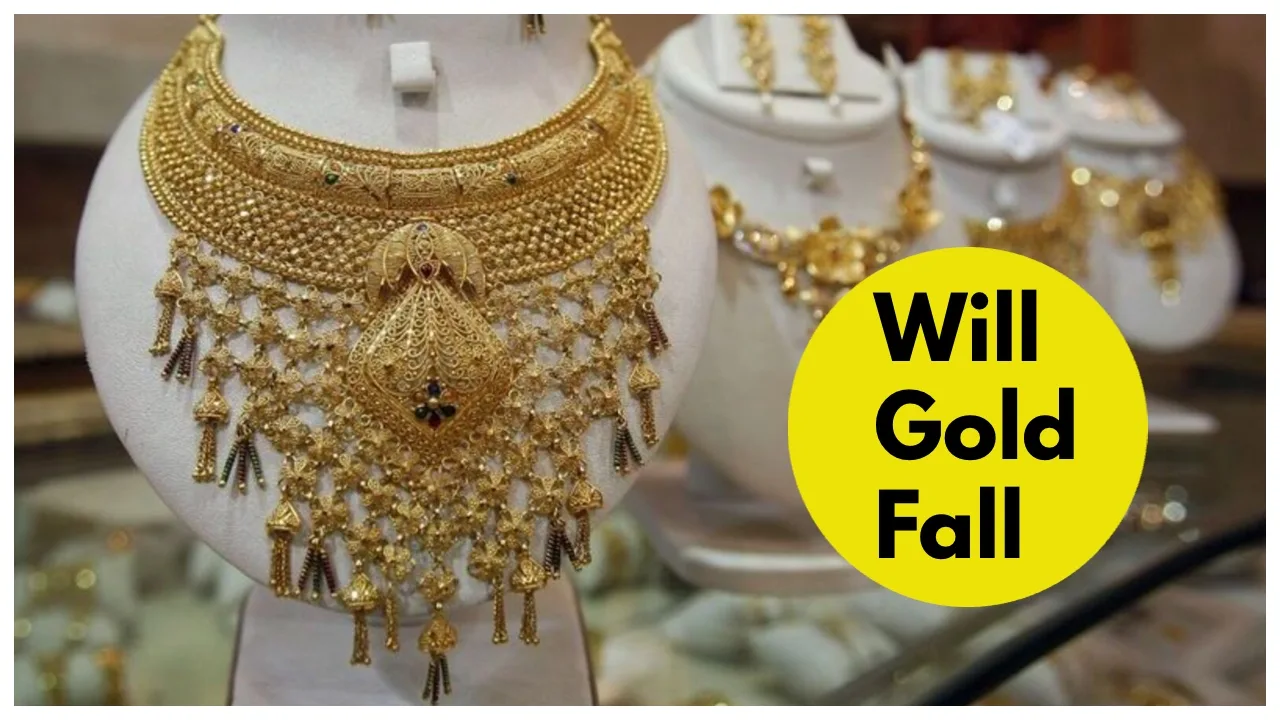
Gold & Silver Prices: Fluctuations in gold and silver prices have been a constant feature recently. Gold rates have been rising at times and falling at others, leaving people thoroughly confused. Contrary to expectations, gold and silver prices appear to be steadily declining in the aftermath of the US-Iran conflict.
These gold rates have taken both experts and the general public by surprise. The question weighing on investors’ minds is: when will silver once again cross the ₹400,000 mark and gold the ₹190,000 mark? Or will gold reach the ₹85,000 level and silver the ₹100,000 per kilogram level?
Typically, gold and silver prices surge during times of war, economic crises, or political tension. However, the picture appears quite different this time around. Amid the ongoing conflict in the Middle East, both gold and silver prices have declined sharply.
In 2025, gold and silver delivered phenomenal returns. Silver prices witnessed a surge of over 165%, while gold climbed by approximately 75%. This upward trend continued into the beginning of 2026. In January 2026, gold reached a record high of $5,500 per ounce, and silver hit a record of $121 per ounce. Investors and central banks invested heavily in these metals, driving prices steadily upward.
Gold and Silver Decline Steadily Post-Conflict
Since the conflict, gold has dropped by over 10%, while silver has declined by more than 22%. Compared with its peak, gold has fallen by approximately 16%. Silver has plummeted by as much as 35%, settling at around $74 per ounce.
Apprehension Over High Interest Rates
When interest rates are high, investors tend to withdraw capital from gold and silver and invest in bonds and other interest-bearing instruments. This creates downward pressure on bullion—gold and silver prices. The Impact of Industrial Demand on Silver
Silver is not merely an investment option; a significant portion is utilised in the industrial sector. Approximately 60% of silver demand comes from industries such as electronics, solar panels, automobiles, and semiconductors. When industrial activity slows down—often due to factors like geopolitical conflicts—the demand for silver consequently declines. This is the primary reason silver has experienced a sharper decline in value than gold.
Sales by Central Banks
Certain nations—particularly Russia and Turkey—have sold portions of their gold reserves to stabilise their currencies. This action has increased the supply of gold in the market, thereby exerting downward pressure on prices.
IBJA Gold Rates Today
According to the India Bullion and Jewellers Association (IBJA), the price of 995-purity gold stands at ₹146,898 per 10 grams. Meanwhile, the rate for 916-purity gold is ₹135,100 per 10 grams. Additionally, the rate for 750-purity gold remains steady at ₹110,617 per 10 grams. Furthermore, the price of 585-purity gold remains at ₹86,281 per tola.
Latest News
- Weather warning – Heavy Rain, thunderstorms, lightning Alerts for 13 States Over Next 3 Days

- UP TGT Exam City Slip 2026 Released – Download at upessc.up.gov.in, Exam June 3-4

- ATM Alert: एटीएम में फंस जाए डेबिट कार्ड तो घबराएं नहीं, फटाफट यह काम करने से होगा समाधान

- Post Office Scheme – 7.5% Interest Rate, ₹5 Lakh Becomes ₹7,24,974 in 5 Years, Start with Just ₹1,000

- Best AI Video Editing Laptops Under 60,000 INR: Top Picks Her

- Best CNG Cars: पेट्रोल के बढ़ते दाम के बीच ये सीएनजी गाड़ी खरीदकर खर्च करें कम, माइलेज भी जबरदस्त

- Samsung Stable One UI 8.5 Update to Galaxy Tab S10 FE and Tab S10 FE+

- बुढ़ापे की लाठी बनेंगी ये तीन स्कीम्स, निवेश से पहले जानिए कितना मिल रहा ब्याज

- OnePlus Nord CE 6 vs Samsung Galaxy A57: Which Mid-Range 5G Phone Wins?

- Lenovo LOQ 15 Gen 11 Review: Best Budget Gaming Laptop?