
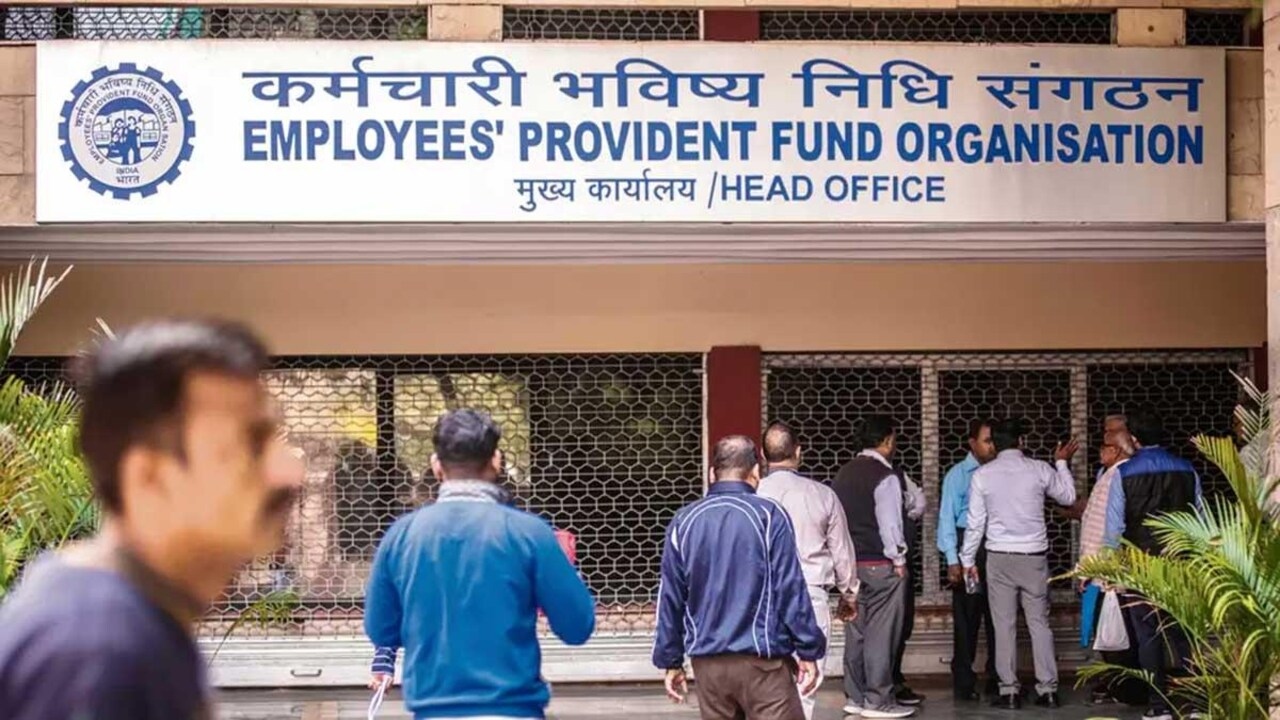
EPFO Scheme: Provident Fund is a huge support for salaried individuals in the private sector. The Employees’ Provident Fund Organisation (EPFO) provides this facility of Provident Fund (PF) to all salaried income individuals. For this, 12% amount is deducted every month from the employee’s basic salary. This money is deposited in the PF account and you get a lump sum at the time of retirement.
EPFO also gives you pension and insurance benefits from this account. Meanwhile, EPFO has issued new guidelines to resolve cases of wrong or incomplete contributions related to the Employees’ Pension Scheme (EPS). Its purpose is to correct pension records and simplify pension claims for employees.
In fact, the EPFO stated that in several cases, employers deposited EPS funds for employees who were not eligible for pension. In some cases, employees who were eligible for pension were not credited with EPS contributions. These errors resulted in persistent difficulties in processing pension claims.
The EPFO clarified that employees whose pension money was mistakenly credited to their accounts will be reimbursed. The EPFO will recover the amount, along with interest, and then transfer the entire amount from the pension account to the PF account for exempted organizations.
Guidelines for exempt and non-exempt institutions
Additionally, any incorrect records for that member will be eliminated from the Employees’ Pension Scheme. The EPF will transfer the full amount, along with interest, to the employee’s PF account. To tackle these issues, the EPFO has set up corrective measures for both exempt and non-exempt institutions. According to the new rules, for exempt institutions, the relevant PF trust will determine the EPS payable, including interest. That amount will then be sent to the EPFO pension account.
What is the company’s PF contribution?
The company’s contribution to PF is split into three sections: 3.67% goes into the EPF (Employment Pension System), while the remaining 8.33% is allocated to the Employee Pension Service (EPS) and IDLI (insurance).
What are the requirements to benefit from EPS?
To qualify, the employee must be a member of EPF. They need to have a minimum service period of 10 years and must be at least 58 years old. There is an option to start receiving a pension after turning 50 but before reaching 58. Employees can keep contributing to the EPS even after they turn 58 if they choose to do so.
How many years of contributions are needed for a pension?
To benefit from the EPFO’s pension scheme, you need to contribute to the EPS for at least 10 years. This means you should have been employed for a decade. The maximum pensionable service is capped at 35 years. Currently, the highest pensionable salary is Rs 15,000, which results in a maximum pension contribution of Rs 1,250 each month.
What pension amount can you expect after 15 years of service?
If you work in the private sector and have an EPS account, you will receive a set pension amount when you retire. To qualify for a pension, you must have contributed to your EPS account for at least 10 years. If you have 15 years of service, you can easily calculate your pension, including interest, from home in just a few minutes using a simple formula.