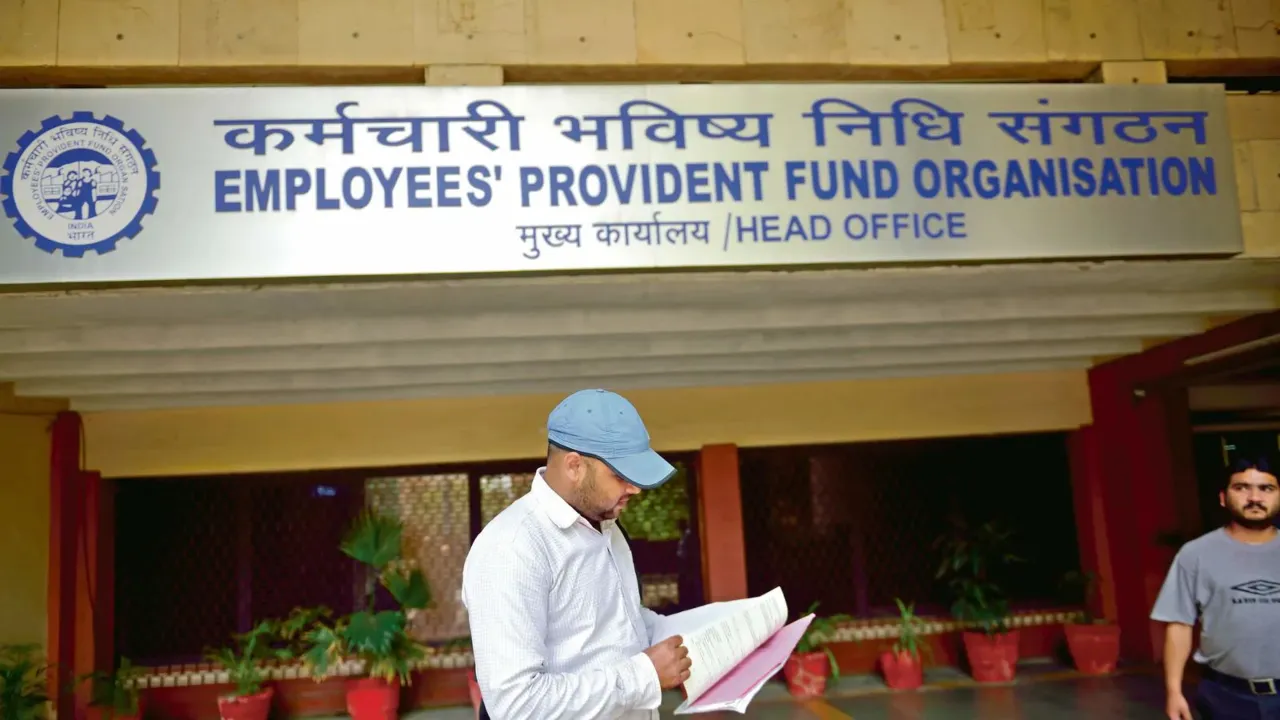
epfo rules Change: The Employees’ Provident Fund Organization (EPFO) has made a major change for its approximately 80 million active members. Now, upon changing jobs, EPF funds will be automatically transferred to the new account. Previously, this process relied on employer approval and a manual claim, but now, through an automated system, this transfer will be handled directly by the EPFO. This will relieve employees of the lengthy process and hassle of running around HR.
No employer approval required
Previously, when an employee changed jobs, they had to fill out Form 13 and obtain verification from their previous employer. This process often took weeks or months due to delays in receiving employer approval. However, EPFO has now completely simplified and digitized this process. When an employee joins a new job and their new employer updates their joining date, the system automatically initiates the transfer process. As a result, the employee no longer needs to file a separate claim or seek approval from their employer. This has significantly reduced claim processing time.
One UAN for life
EPFO has now ensured that every employee will have only one Universal Account Number (UAN) for their entire life. Previously, administrative errors often resulted in two or more UANs being created for the same employee, leading to difficulties with transfers or withdrawals. The system has now been updated to prevent new UANs from being created if an employee already has an existing UAN. Aadhaar number and e-KYC-based verification ensures that both old and new PF accounts are linked to the same UAN, eliminating the hassle of merging accounts.
Previously, the biggest hurdles in the EPF transfer process included mismatches with the employer’s signature, incomplete KYC, or mismatches between joining and exit dates. Now, the EPFO has made it completely digitized and auto-verified. The transfer process now involves Aadhaar-based e-signatures, KYC auto-verification, and real-time data exchange between the employer and EPFO systems through API integration. While previously it took 30 to 45 days for the transfer to be completed, it now takes 7 to 10 days, sometimes even faster.
Combined balance will be shown in the passbook
Previously, employees had to compare their old and new EPF passbooks to verify whether the funds were transferred. Now, the system will automatically handle this task. Once the transfer is complete, the old passbook will display a “zero balance,” while the new passbook will display a total combined balance. This will make it easier for employees to see the continuity of their contributions and interest and increase transparency in investment tracking.
Previously, a major reason for delays in the transfer process was that the previous employer did not update the employee’s exit date. Now, the EPFO has made this mandatory. If the employer fails to update the exit date within the stipulated timeframe, the employee can now enter this information themselves using Aadhaar OTP. The system auto-verifies this information, eliminating any delays in the transfer. This change is extremely beneficial for employees whose previous employers were uncooperative.
Previously, if the transfer took several months, interest on the old account would stop accruing. This resulted in a loss of interest for employees. EPFO has now clarified that interest will continue to accrue until the transfer is completed, regardless of the processing time. This ensures that employees’ retirement corpus continues to grow without interruption.