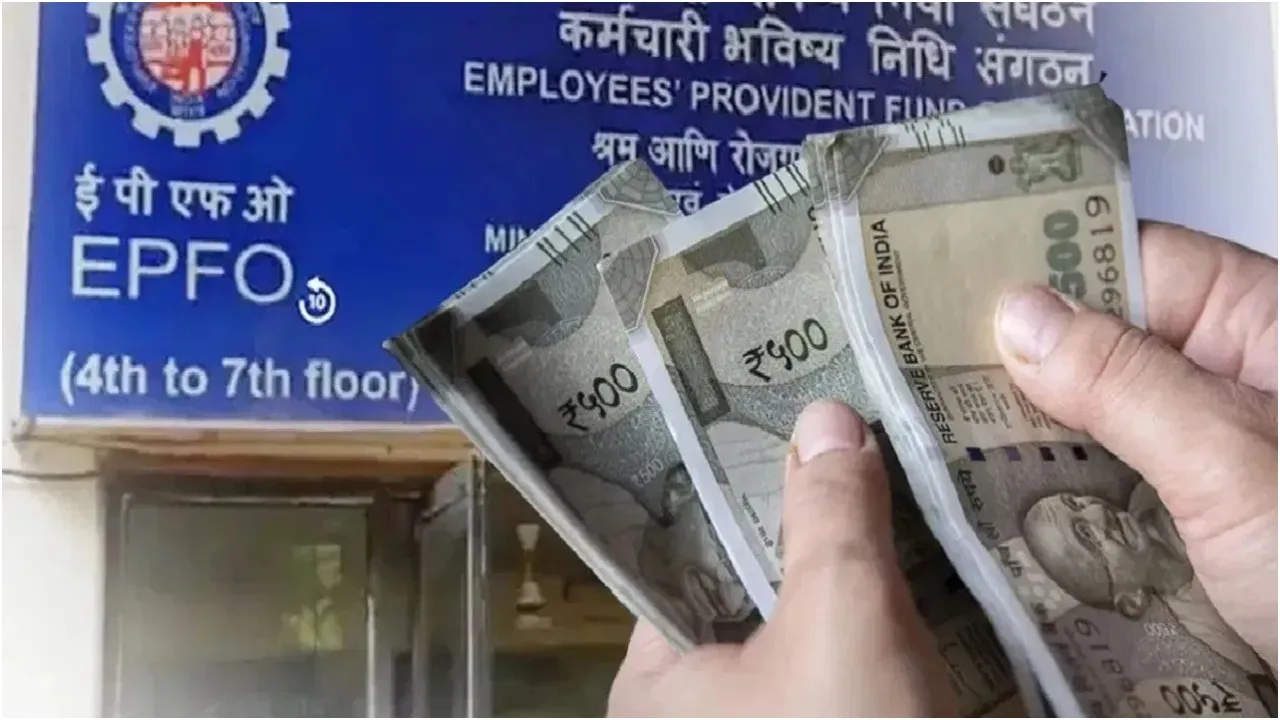
EPFO : Major news for EPFO members. Subscribers to the Employee Provident Fund receive pension benefits under the Employees’ Pension Scheme (EPS). Private employees are covered under the EPF. A portion of an employee’s salary is deposited into their EPF account each month. The employer also contributes an equal amount to the employee’s EPF account each month. The employer contributes 8.33% of the employee’s basic salary plus DA to the EPS each month. The maximum limit is Rs 15,000.
Upon retirement, an employee receives a monthly pension from the funds deposited in his or her EPS account. EPS comes under the EPFO. An employee receives a pension only when he or she retires at the age of 58. The condition for this is that he or she must have served for at least 10 years. An employee is also eligible for a pension at the age of 50, but the amount will be less than the actual pension. If an employee leaves the job before completing 10 years, he or she will not be entitled to a monthly pension. The funds deposited in his or her EPS account will be given to him or her upon retirement.
Pension amount is decided by a formula
An employee’s pension amount is determined using a formula: Pensionable salary is multiplied by pensionable service. The result is then divided by 70. Pensionable salary refers to the last 60 months of basic salary. Pensionable service refers to the total number of years an employee has worked. This means that the more years an employee works, the higher their pension.
The longer the service, the higher the pension
Family pension is a pension provided to an employee’s wife after their death. This is intended to provide financial security to the employee’s family. Experts recommend that employees strive to maintain their service period. This means that if an employee changes jobs, they should transfer their EPF Funds to the new employer instead of withdrawing them. This adds to the years of service with the previous employer, lengthening the total service period.