
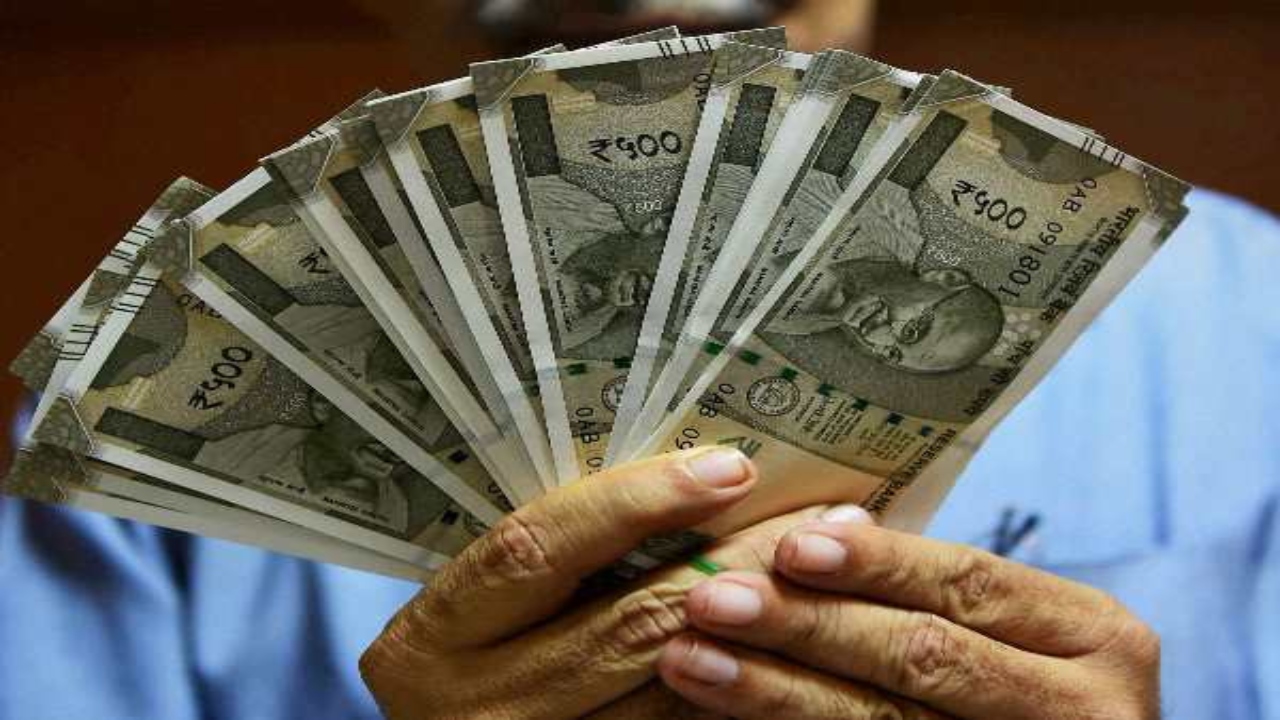
8th Pay Commission: Significant news has emerged for central government employees. The 8th Pay Commission submitted its Terms of Reference (TOR) to the Union Cabinet, which has now been approved. This gives the Commission official permission to prepare recommendations regarding salaries, pensions, allowances, and the pay matrix. It is expected that the report will be submitted to the government within the next 12 to 18 months.
Based on this report, the new salary structure is expected to be implemented from January 2026. Previously, the recommendations of the 7th Pay Commission were implemented in January 2016.
Read Here: Raman Reti Mathura: The Sacred Sand Where Lord Krishna Spent His Childhood
Learn about the Pay Commission
The Pay Commission is a high-level panel constituted by the central government every ten years to review the salary and pension structure of government employees. Seven Pay Commissions have been constituted since independence. The 8th Pay Commission will continue this tradition and prepare a framework for revisions in employees’ salaries and allowances.
Commission Composition and Chairpersonship
The 8th Pay Commission comprises a total of three members. Former Supreme Court Judge Ranjana Prakash Desai will chair the Commission. She will be accompanied by a part-time member and a member-secretary. This team will formulate key recommendations regarding the pay matrix, pensions, allowances, and fitment factors. The Commission will also analyze the reports of previous Pay Commissions and suggest necessary amendments.
What could be the fitment factor?
The fitment factor is considered crucial in the Pay Commission’s recommendations. It is a multiplier by which employees’ old basic pay is converted to the new revised pay. The 7th Pay Commission recommended a fitment factor of 2.57. According to sources, this factor for the 8th Pay Commission could be between 1.83 and 2.86.
Bright fortunes for employees and pensioners
This commission could prove crucial for central employees and pensioners, as rising inflation over the past few years has put pressure on their real income levels. With the new recommendations, adjustments are likely not only in salaries, but also in pensions and dearness allowances.
Read Here: Upcoming CNG And Hybrid Cars In India 2025 – Eco-Friendly, Fuel-Efficient & Future-Ready Rides
Following government approval, the commission will soon begin taking suggestions from employees and studying the economic landscape. It is expected that its recommendations, when implemented by 2026, will directly benefit approximately 5 million central employees and 6.5 million pensioners.
Latest News
- Weather Warning Delhi-NCR – Rain Alert & Dust Storm in Next 2-3 Hours, IMD Issues Yellow Alert

- PM Kisan Samman Nidhi Yojana: नहीं मिल रही 2000 रुपये की किस्त तो किसान तुरंत करवा लें यह काम

- Aadhaar Card Update Rules – How Many Times Can You Change Address, DOB & Number?

- Train Ticket: How to book a confirmed train ticket without an agent? Learn the Easy Steps

- Indian Railways– 155 Trains Express Declared High-Speed, Thousands of Railway Staff to Benefit

- Monsoon Alert – Warning Heavy to Very Heavy Rain alert & thunderstorms in 22 States Over Next 4 Days

- America-Iran War: मिडिल ईस्ट में तनाव होगा खत्म! ईरान ने होर्मुज रास्ते पर कही बड़ी बात

- PM Surya Ghar Yojana 2026: Get Up to Rs 78,000 Subsidy within 6 Easy Steps, Know Here

- Cheapest Available 5G Smartphones in India Under 10000

- UPSC Prelims Answer Key 2026 – How to Download UPSC Prelims Answer Key at upsc.gov.in