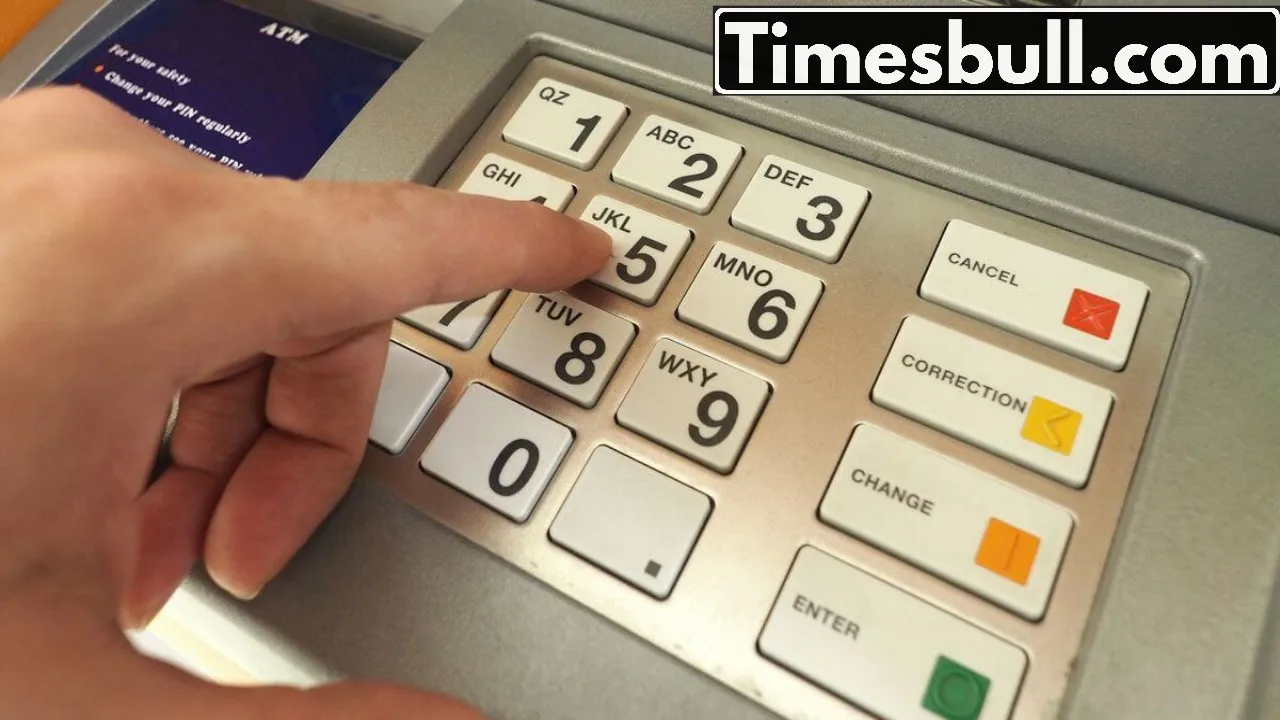
RBI took a big decision. The Reserve Bank of India (RBI) has given the green light for a hike in ATM interchange fees, increasing the charges by Rs 2 for financial transactions and Rs 1 for non-financial ones. This change, which takes effect on May 1, is likely to hit smaller banks with fewer ATMs the hardest.
While banks haven’t made a final decision on whether to pass these increased fees onto customers, early discussions suggest that customers will likely feel the impact. A senior bank official noted, “In the past decade, whenever interchange fees were adjusted, banks have typically transferred those costs to customers. This time will be no exception, and we can expect fee increases for customers.”
An ATM interchange fee is what one bank pays another for using ATM services, usually calculated as a percentage of the transaction and included in the customer’s bill.
The last time the RBI adjusted these fees was in June 2021, when the interchange fee for financial transactions, like cash withdrawals, went up from Rs 17 to Rs 19, and for non-financial transactions, such as balance checks, it rose from Rs 6 to Rs 7. A source mentioned, “The decision to raise interchange fees was shared with banks and other stakeholders by the National Payments Corporation of India (NPCI) on March 13.” The NPCI had sought RBI’s approval to implement this fee increase.
Sources indicate that the fee hike was prompted by requests from white-label ATM operators who have been struggling financially under the existing fee structure. Currently, customers of banks in metropolitan regions can enjoy five complimentary transactions each month at ATMs belonging to other banks. In contrast, those in non-metropolitan areas are limited to three free transactions.
A senior executive from a mid-sized private bank commented, “The extra payments that smaller banks will have to make to other banks due to the rise in interchange fees could be quite substantial. Banks with a smaller ATM network are facing a tough challenge. If they choose to pass on the increased costs, it may frustrate their customers, while absorbing these costs could negatively impact their profits.”
Latest News
- PM Kisan Samman Nidhi Yojana: नहीं मिल रही 2000 रुपये की किस्त तो किसान तुरंत करवा लें यह काम

- Aadhaar Card Update Rules – How Many Times Can You Change Address, DOB & Number?

- Train Ticket: How to book a confirmed train ticket without an agent? Learn the Easy Steps

- Indian Railways– 155 Trains Express Declared High-Speed, Thousands of Railway Staff to Benefit

- Monsoon Alert – Warning Heavy to Very Heavy Rain alert & thunderstorms in 22 States Over Next 4 Days

- America-Iran War: मिडिल ईस्ट में तनाव होगा खत्म! ईरान ने होर्मुज रास्ते पर कही बड़ी बात

- PM Surya Ghar Yojana 2026: Get Up to Rs 78,000 Subsidy within 6 Easy Steps, Know Here

- Cheapest Available 5G Smartphones in India Under 10000

- UPSC Prelims Answer Key 2026 – How to Download UPSC Prelims Answer Key at upsc.gov.in

- 8th Pay Commission: एनपीएस और पुरानी पेंशन में कौन सी बेहतर, जानिए बड़ा अपडेट