Nowadays, our Aadhaar number is linked to almost every financial service. But did you know that a 16-digit code plays a crucial role in keeping your Aadhaar data secure. This code is called a Virtual ID (VID). It’s a temporary and variable code generated by the UIDAI (Unique Identification Authority of India) that allows banks and financial institutions to authenticate your identity without accessing your actual Aadhaar number. Using a VID can help you avoid serious risks like data leaks and identity theft. This Google Search-friendly content will explain the benefits of a VID and the simple process for using it.
What is a Virtual ID (VID) and how does it work
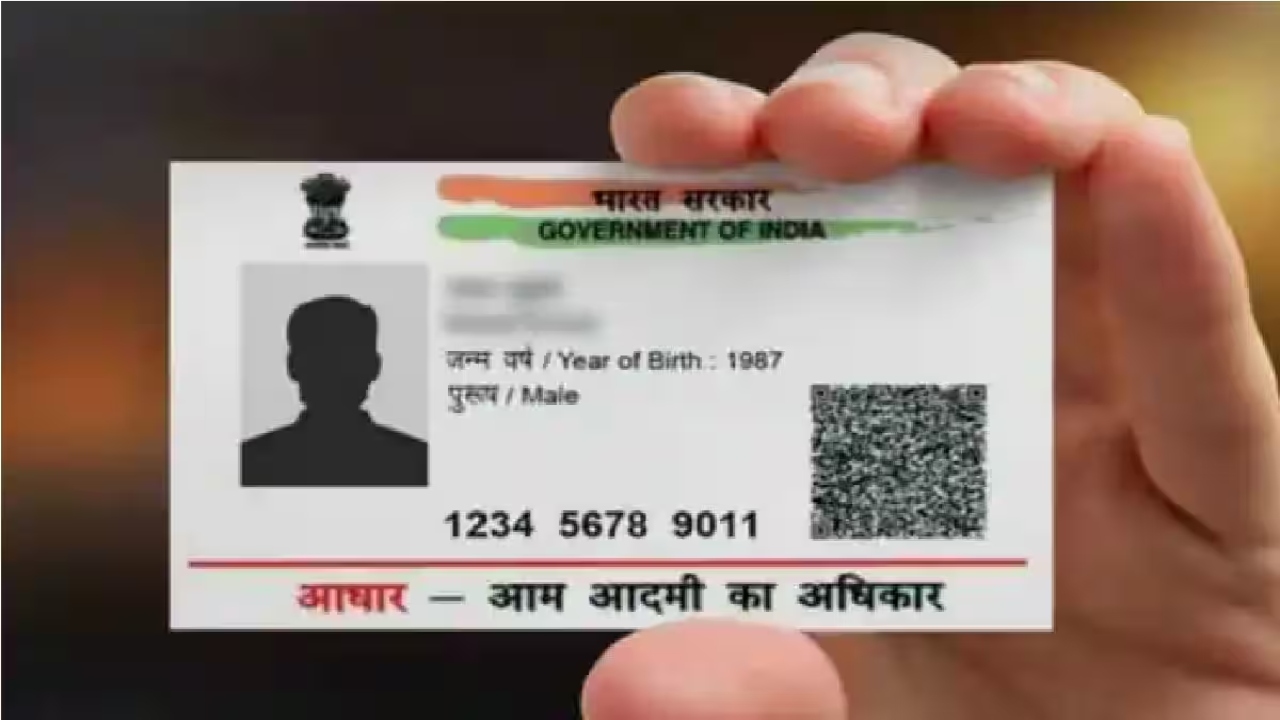
Virtual ID, or VID, is a 16-digit code that you can easily generate through the UIDAI’s official website or the mAadhaar app. The most important feature of a VID is its temporary nature. It can be replaced with a new code at any time. This feature makes it significantly more secure than your actual 12-digit Aadhaar number.
When you perform eKYC at a bank or fintech platform using your VID, they only see your 16-digit VID; their access to the actual Aadhaar number is completely blocked. This way, even if a portal or app is hacked, your original Aadhaar data remains completely secure, as attackers will only have access to a temporary code, which will be changed later.
Prevention Online Fraud
The use of VID is rapidly increasing because it provides an unmatched shield against online fraud and data theft. No service provider is permitted to store the VID permanently. They are obligated to delete it once the requirement is met.
India’s leading banks and digital financial institutions now fully accept VID-based eKYC, significantly enhancing the level of security in customers’ financial activities. This prudent use of Aadhaar Virtual ID truly strengthens the vision of Digital India, where convenience and security are paramount.
What to do to avoid risks
Although VID makes your data more secure, it is not a foolproof shield. Users need to be extremely vigilant in protecting their digital identity. You should always keep your One-Time Password (OTP) completely secure. Under no circumstances should you share your OTP or MPIN with anyone, even if they claim to be a bank employee.
Always use the official UIDAI website or the mAadhaar app to generate or use your VID. Beware of fake websites that may steal your personal information. It’s crucial to understand and follow the regulations and security precautions associated with this technology so you can safely use online financial services.
The use of VIDs is becoming increasingly popular, especially on fintech and other digital platforms, significantly reducing the incidence of online financial fraud.
Latest News
- Apple MacBook Neo Deal Alert: Get It For Under ₹58,000 on Amazon Right Now

- Pakistan Attack: आत्मघाती हमले से दहला पाकिस्तान, 23 लोगों की मौत, 50 से ज्यादा घायल, जानें

- Honor Magic 9 Series Leaks: Flagship Upgrades with Massive 8,000mAh Battery and 200MP Cameras

- Motorola Edge 60 Fusion Review: Mid-Range King or Outdated?

- FD Update– Breaking Your FD Early? Know the consequences

- Bank Holiday–RBI Announces Closure of SBI, HDFC and All Banks Next Week, Save the Dates

- Samsung Galaxy S26 Ultra Amazon Deal – Get ₹23,509+ Discount with Bank Offers and Exchange Benefits

- Best Scooters For College Girls 2026 – Perfect Mix Of Mileage, Style And Lightweight Design

- Kodak Matrix QLED Google TV 2026 Series Launched in India Just Under 10,999

- Senior Citizen FD Rates: सीनियर सिटीजन को यहां से मिल रहा बंपर ब्याज, जल्द करें निवेश