UIDAI has announced new Aadhaar rules for 2025. Business Idea: Start These 4 Businesses With Low Investment, Then Earn Big Every Month” rules will affect many people in India. UIDAI worked last year to make Aadhaar services easy and digital. The new rules will make correction and verification faster, paperless, and simple. These changes will affect banks, savings schemes, and other money services. People should know these new rules to keep their transactions smooth.
Some big changes will affect your money services. Read the simple points below.
1. Aadhaar update fee increased
The Aadhaar update fee will increase from October 1, 2025. People will pay new charges to change name, address, or biometrics.
New service fees (from October 1, 2025):
- Name, address, date of birth, mobile, email update – ₹75 (earlier ₹50)
- Fingerprint, iris, or photo update – ₹125 (earlier ₹100)
- Biometric update for children (5–7 and 15–17 years) – Free
- Document update at centre – ₹75 (free online till June 14, 2026)
- Aadhaar reprint – ₹40
- Home enrolment – ₹700 (first person) + ₹350 (each extra person at same address)
2. PAN-Aadhaar linking is now a must
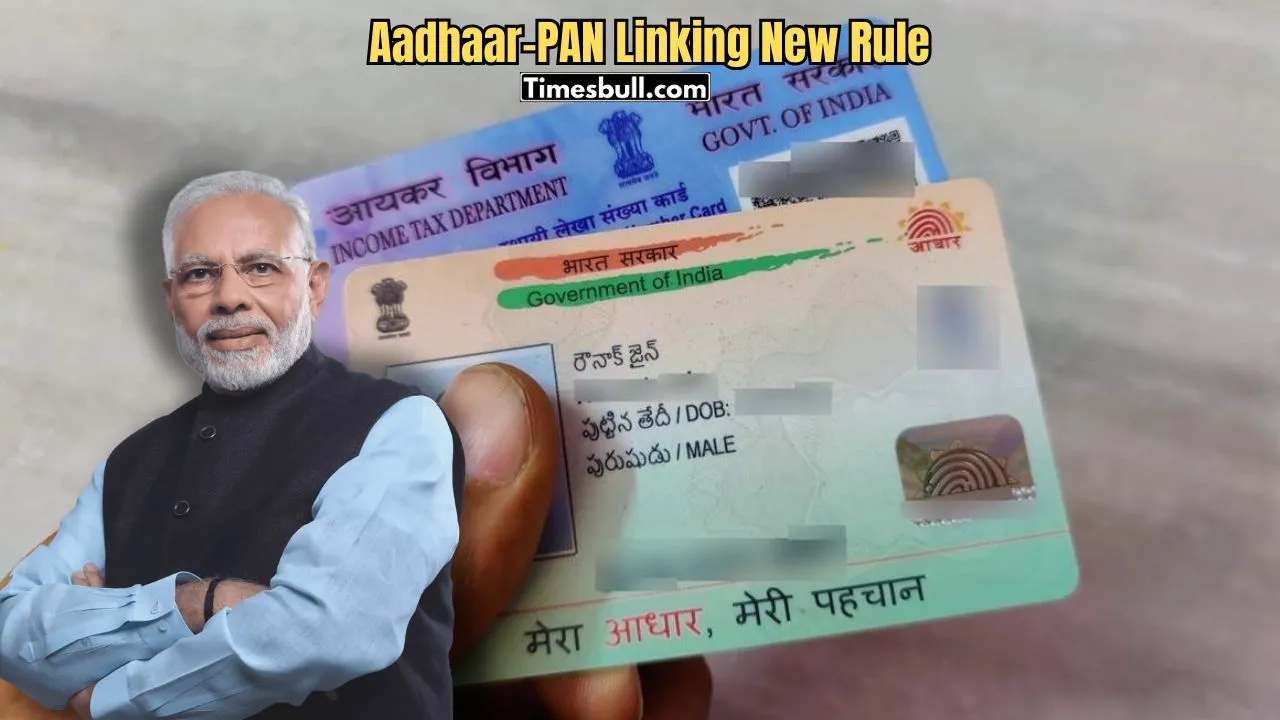
The Gas Cylinder: Why Was the Number of Subsidized Cylinders Reduced? Government Explains the Reaso made PAN-Aadhaar linking compulsory. If you don’t link it by December 31, 2025, your PAN will stop working from January 1, 2026. You may face problems in investing, opening demat accounts, or tax saving.
3. e-KYC made simple and safe
UIDAI and NPCI started new e-KYC features. Banks and NBFCs can now check your ID without seeing your full Aadhaar number. This keeps your data safe and makes account opening faster.
Upcoming changes
- AePS rules: RBI’s new Aadhaar Payment System rules will start from January 1, 2026. Cash transactions may cost more or be limited in villages.
- Small Savings Schemes: You can open PPF, NSC, or Post Office RD accounts using Aadhaar e-KYC.
- Offline KYC: UIDAI will start a simple offline KYC system using QR code or masked ID.
What you should do
- Check Aadhaar: Go to the UIDAI website or mAadhaar app and check your Aadhaar status.
- Link PAN and Aadhaar: Visit the Income Tax portal and link them.
- Update details: Make sure your Aadhaar details match your bank and investment accounts.
- Stay aware: People in villages should visit their bank or Aadhaar centre to learn about AePS changes.
If you don’t follow these rules, your transactions may fail or your KYC may get cancelled. Update and link your Aadhaar on time to avoid trouble.