


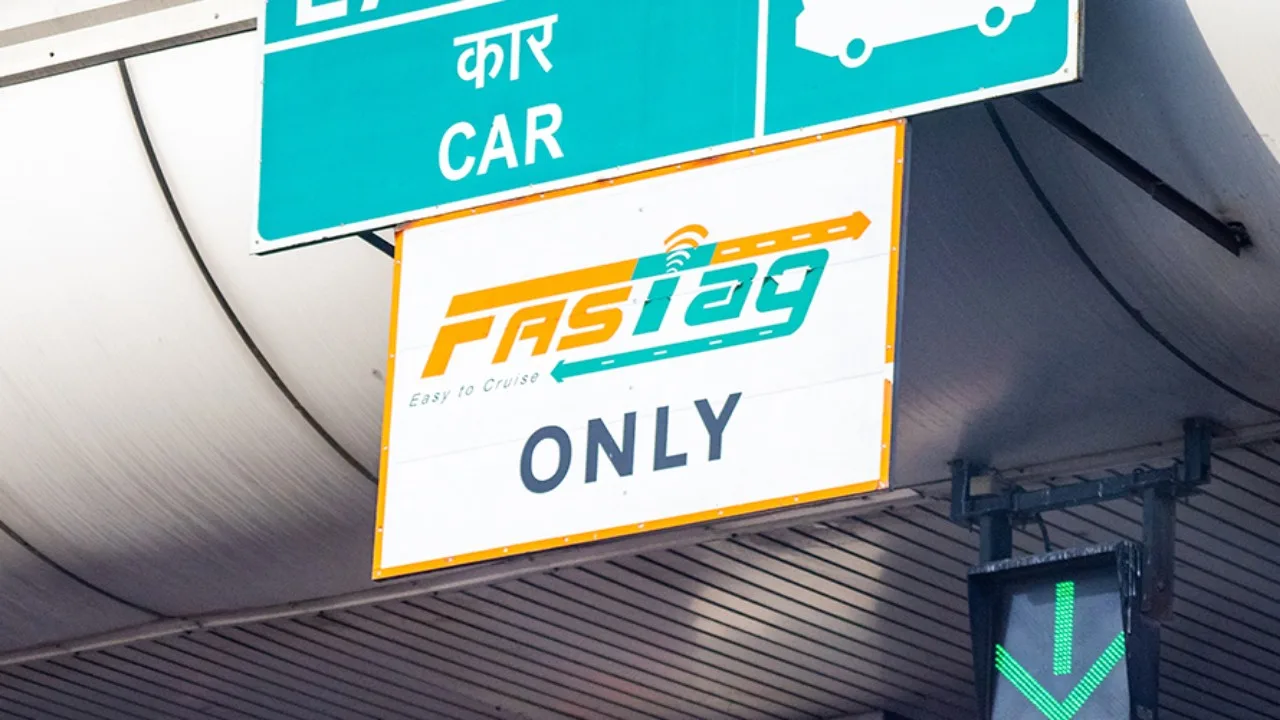
FASTag: In a major move to enhance toll collection, NHAI has launched a new policy for users of FASTag at the national level. If you are an owner of a vehicle who continues to use FASTag but does not stick it on your windshield in the correct manner, this new policy might impact your journey. Ensure you abide by the guidelines to steer clear of fines and delays.
Loose FASTags Will Be Blacklisted Immediately
From July 11, 2025, the National Highways Authority of India (NHAI) has implemented a policy under which any vehicle fitted with a loose FASTag will be blacklisted on the spot. A loose FASTag is one that has not been stuck securely to the front windshield of the car. The step has been taken to minimize toll booth waiting times and prevent misuse of the toll facility.
Why Vehicle Owners Use Loose FASTags
Certain drivers deliberately do not fit FASTags on their vehicles. They carry them in their hands and swipe them at the tolls manually. This is done to mislead the system, like fitting a small vehicle’s tag on a truck in order to pay less toll. Others even interchange FASTags across vehicles to evade proper tracking. All these practices result in slowing down the lanes at the toll and cause system glitches.
Challenges in Detecting Loose FASTags
Today, all FASTag readers can only read FASTag information. They do not verify whether the tag has been mounted on the vehicle or not. Though ANPR technology is available to assist, it has not been installed so far in most places. Even some vehicles lack proper number plates needed for ANPR.
What Happens If Your FASTag Gets Blacklisted
If you are found using a loose FASTag, it can be blacklisted by NHAI on the spot. Blacklisted, it will no longer operate at toll booths, and you will have to pay cash. Getting a blacklisted FASTag replaced will cost you time and money. To avoid such inconvenience, always affix your FASTag correctly on your windshield and do not scan it manually.
Also Read: Big relief in summer this car AC feature saves you from ₹10000 in repairs know how